
Financial Planning with Your 2025 Calendar
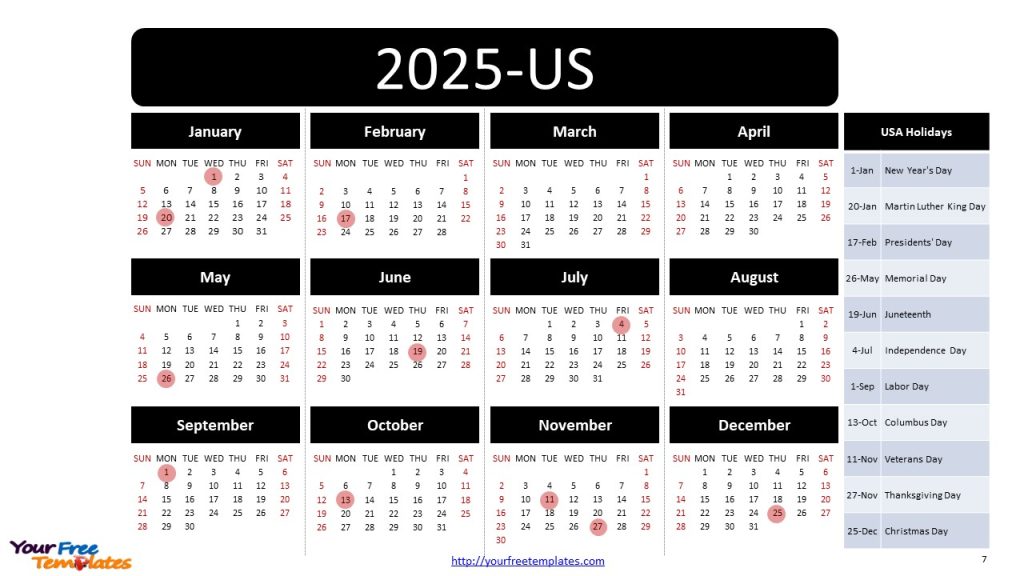
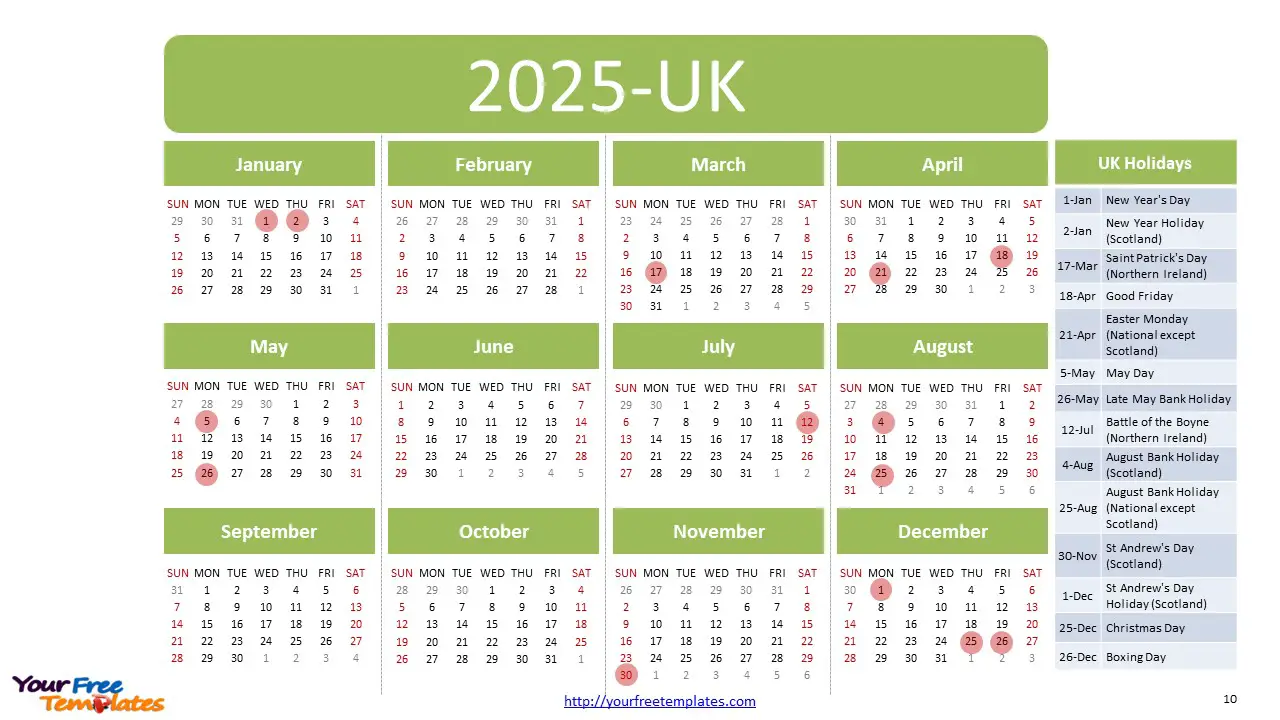
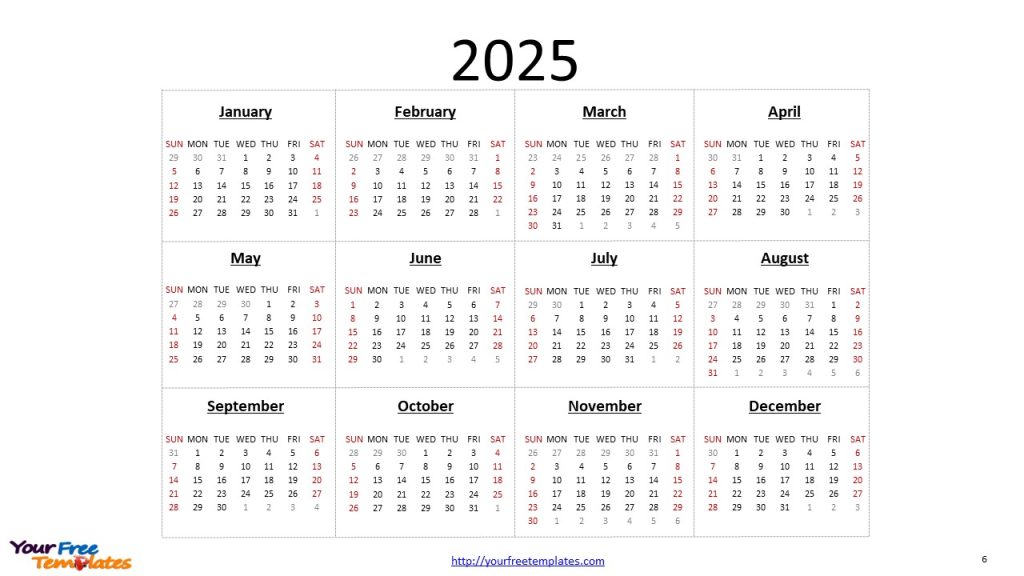
Financial planning is an essential aspect of personal finance, and utilizing a 2025 calendar can help individuals stay organized and on top of their financial obligations. By incorporating key financial dates and deadlines into their calendars, people can effectively manage their money and work towards their financial goals.
Bill Payment Reminders
One of the most crucial aspects of financial planning is ensuring that bills are paid on time. Setting up bill payment reminders in a 2025 calendar can help avoid late fees and maintain a good credit score. To implement this effectively, individuals can:
- Create recurring calendar events for due dates of regular bills
- Use monthly bill organizers to keep track of payment schedules
- Set up alerts or notifications for upcoming bill payments
Many free printable calendars and to-do lists are available to help with this task 12. These tools often include monthly and weekly calendars with ample space for notes, making it easier to manage bill payments and other financial obligations 13.
Savings Goals
Incorporating savings goals into a 2025 calendar can help individuals stay motivated and on track with their financial plans. To effectively use a calendar for savings goals:
- Set specific, measurable, achievable, relevant, and time-bound (SMART) goals
- Divide larger goals into smaller, actionable steps
- Allocate dedicated time slots in the calendar for working on savings goals
- Regularly review progress and adjust goals as needed
Some calendars and planners designed for 2025 include features specifically for tracking savings goals. For example, certain planners offer two savings trackers to help users pursue their savings objectives 13.
Investment Review Dates
Regular review of investments is crucial for maintaining a healthy financial portfolio. By scheduling investment review dates in a 2025 calendar, individuals can ensure they stay on top of their investments and make necessary adjustments. To implement this:
- Set quarterly or bi-annual dates for reviewing investments
- Schedule annual portfolio rebalancing sessions
- Mark important dates for tax-advantaged contributions (e.g., IRA, 401(k))
For those involved in more complex financial matters, such as SEC filings, it’s important to note key dates and deadlines. The SEC provides a filing deadline calendar for 2024 through 2030, which can be useful for planning purposes 14.
Additional Financial Planning Strategies
To make the most of a 2025 calendar for financial planning, consider the following strategies:
- Set short-term (less than 12 months), medium-term (1-5 years), and long-term (more than 5 years) financial goals
- Use goal-setting apps, spreadsheets, or a simple notebook to monitor progress
- Schedule regular financial check-ins and updates to stay accountable and motivated
- Allocate time for financial education and skill-building
By integrating these financial planning elements into a 2025 calendar, individuals can create a comprehensive roadmap for achieving their financial objectives. This approach helps in staying focused, managing time effectively, and making steady progress towards financial goals throughout the year.
Remember, flexibility is key when it comes to financial planning. Life is unpredictable, and it’s important to be prepared to adjust goals and strategies as circumstances change. Regularly reviewing and updating the financial plan in the 2025 calendar will help ensure that it remains relevant and effective throughout the year.