

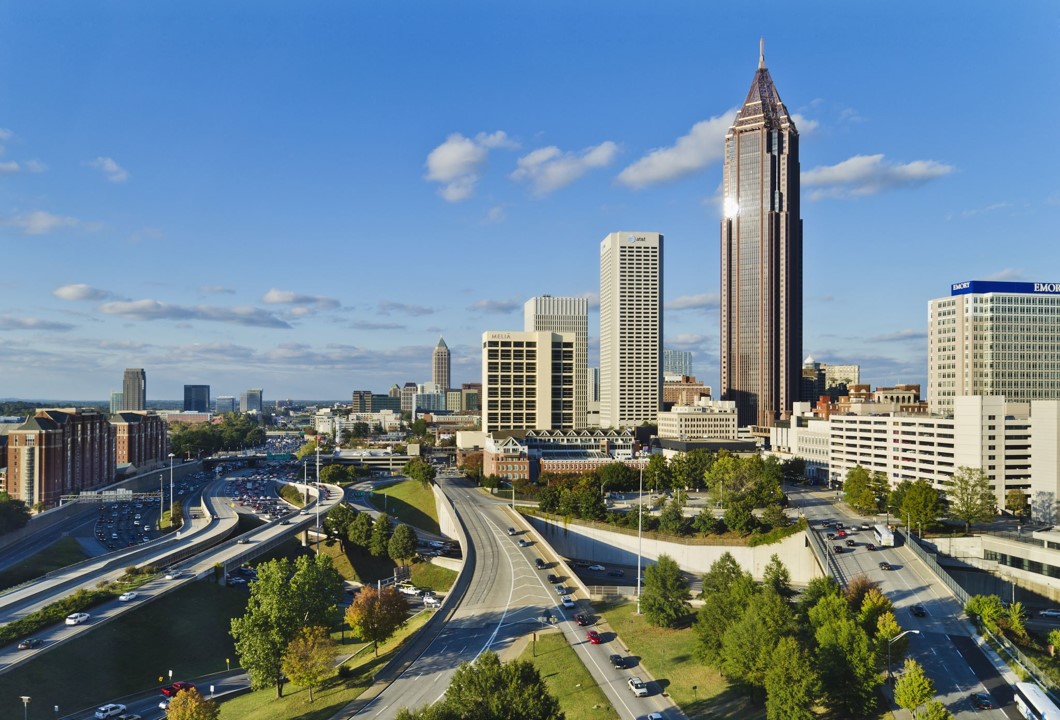
If you’re tracking where America’s economy is actually being built, you need to understand the largest counties in Georgia and the largest counties in North Carolina. Fulton County, home to Atlanta, and Mecklenburg County, home to Charlotte, have quietly become two of the most important economic engines in the Southeast. Together, these million-population powerhouses represent something bigger than just Southern growth—they’re proof that the “New South” isn’t coming. It’s already here. Fulton has transformed into the “Hollywood of the South,” a film and media juggernaut that draws creative talent from across the country. Mecklenburg has become the second-largest banking center in America, a FinTech fortress that keeps luring Fortune 500 companies with tax rates heading toward zero.
At the end of this post, you can download our Episode 10: The Southeast Powerhouses Atlanta vs Charlotte Showdown PowerPoint template to fit your purpose. As the same diagram PowerPoint template series, you can also find our 18 Fastest Growing US Counties, Top 12 Most Populous Countries, most dangerous cities in the US, Top 10 U.S. Cities with the Highest Violent Crime Rate, US Consolidated City County
- The New American Mosaic Summary
- The 18 Fastest Growing US Counties: Where America’s Future is Taking Shape
- 50 Megacounty: The Rise and Resilience of the Million-Pop Club
- Episode 1: Largest Counties in the US: Inside the Elite Million-Pop Club
- Episode 2: Largest Counties in California 2024: Orange, Riverside, San Bernardino & Bay Area Population
- Episode 3: Largest Counties in Texas: Inside the State’s 7 Million-Pop Powerhouses
- Episode 4: Largest Counties in Florida 2024: Miami-Dade, Broward, Palm Beach & Central Florida
- Episode 5: Mid-Atlantic counties over 1 million: Fairfax VA, Montgomery MD, Philadelphia & Allegheny PA
- Episode 6: Midwest Counties Over 1 Million: Cook County IL, Wayne County & Oakland County MI Population & Revitalization
- Episode 7: Most Populous Counties in California: LA, San Diego & Orange County
- Episode 8: Fastest Growing Counties in California
- Episode 9: Southwest Sun Giants- Maricopa County (Phoenix, AZ) and Clark County (Las Vegas, NV)
I spent some time digging into the latest 2026 numbers, and here’s what jumped out: these two counties have crossed the million-resident mark not by accident, but by design. They’ve built economies that don’t just survive recessions—they thrive through them. And they’ve done it in completely different ways.
The Two Titans: 2026 Population Snapshot
| County | Estimated Population (2026) | What They Do Best | Regional Role |
|---|---|---|---|
| Mecklenburg (NC) | 1,266,399 | Finance & FinTech | The East Coast Banking Hub |
| Fulton (GA) | 1,103,120 | Film & Digital Media | The Cultural Capital |
Fulton County: Where Hollywood Meets the Peach State
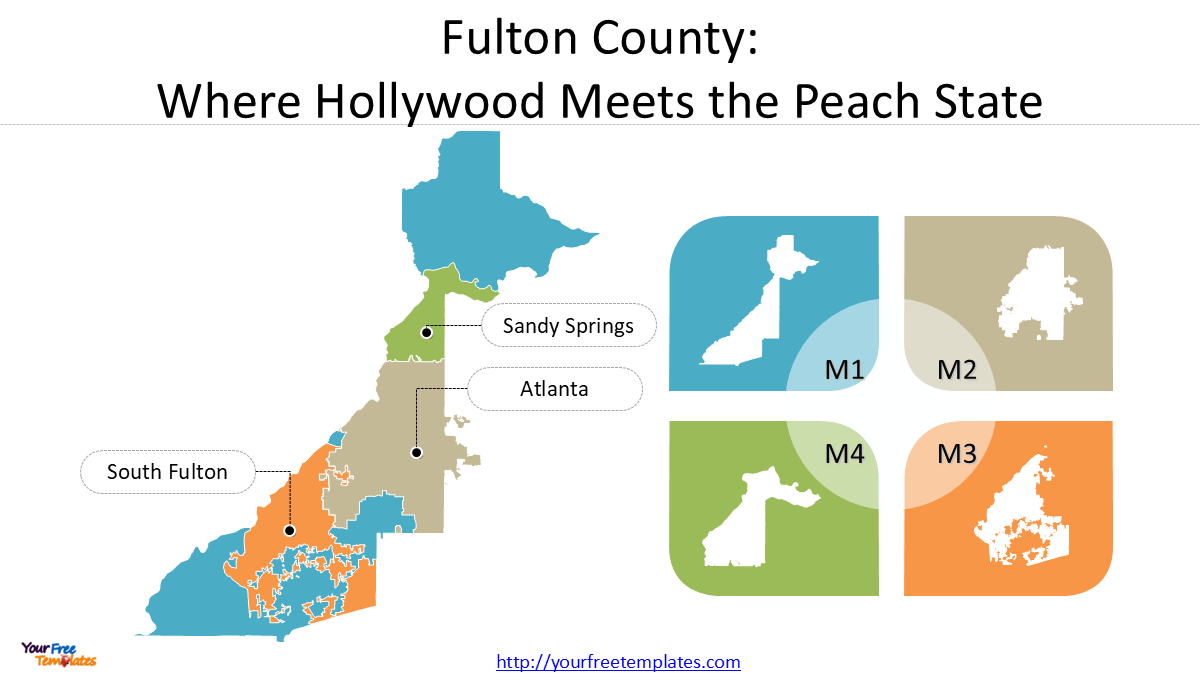
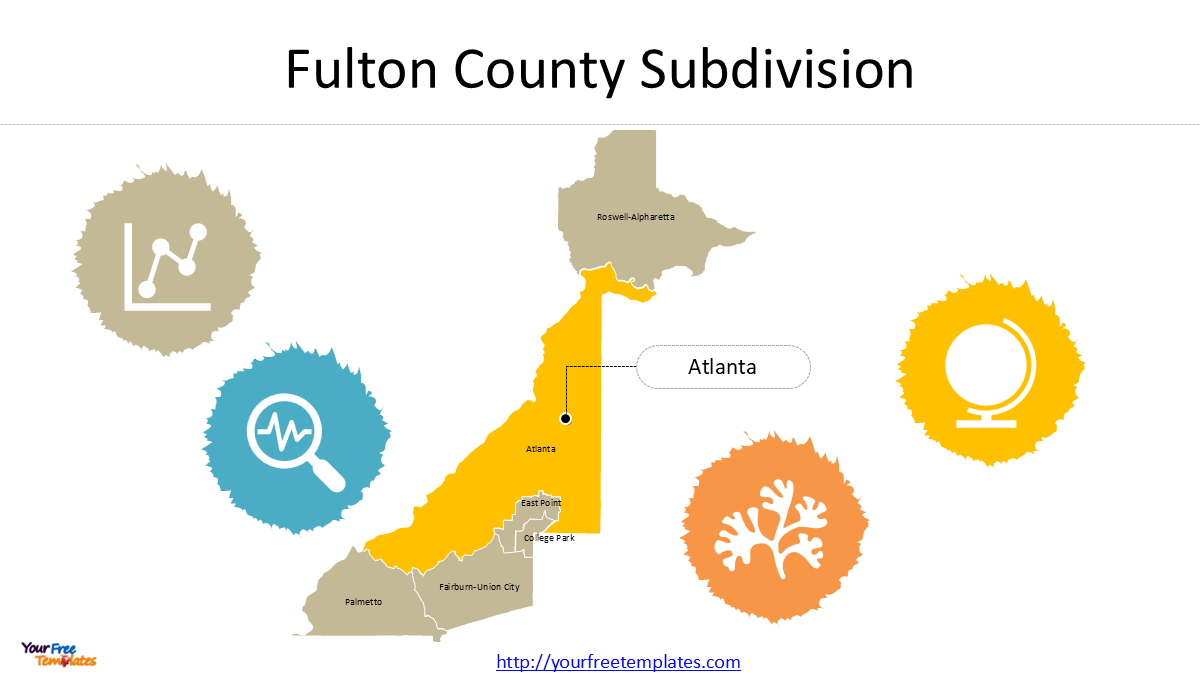
Fulton County is Atlanta. It’s also Sandy Springs, South Fulton, and a dozen other municipalities that blend together into one sprawling, complicated, fascinating metropolitan area. In 2026, it’s the most populous county in Georgia, and it’s not hard to see why.
The Studio System
You’ve probably heard the nickname: “Hollywood of the South.” It’s thrown around a lot, but the numbers behind it are real. Tyler Perry Studios alone covers 330 acres. Trilith Studios, down in Fayetteville but feeding talent directly into Fulton, has stages the size of airplane hangars. When Marvel needs to shoot a superhero movie, they don’t call Culver City anymore—they call Atlanta.
What’s changed in 2026, though, is the convergence. The film industry isn’t just making movies here anymore. It’s bleeding into gaming, into virtual production, into AI-driven content creation. A kid who comes to Atlanta to work on a Marvel set might end up building virtual environments for Meta two years later. The skills transfer. The talent stays.
The Three Cities That Make It Work
- Atlanta (~530,000): The core. In 2026, the BeltLine is the story. If you haven’t seen it, imagine taking an old railroad loop, turning it into a walking and transit trail, and watching billions of dollars in development sprout up along its edges. That’s what happened here. Neighborhoods that were warehouses ten years ago are now dense, walkable, insanely expensive places to live. The BeltLine didn’t just change Atlanta’s geography—it changed its entire approach to growth.
- South Fulton (~114,000): This is one of the newest cities in Georgia, incorporated in 2017, and it’s growing like a weed. The draw is simple: proximity to Hartsfield-Jackson, the world’s busiest airport, and land that’s still affordable enough for young families to buy actual houses. In 2026, South Fulton is where a lot of airport workers and logistics professionals are putting down roots.
- Sandy Springs (~104,000): Up north, this is corporate America in miniature. UPS is here. Mercedes-Benz USA is here. A dozen other Fortune 500 companies have their headquarters in office parks that look like college campuses. It’s not sexy, but it’s stable—the kind of place where property taxes stay reasonable and the schools stay good.
Mecklenburg County: The Banking Fortress That Keeps Growing
Drive through Uptown Charlotte (they call it Uptown, not Downtown) and you’ll see cranes. Lots of them. In 2026, Mecklenburg County is adding people at nearly 2.4% annually, which for a county already over a million residents is genuinely remarkable.
From Bank Branches to FinTech
Charlotte has been a banking town since the 1980s, when it became the headquarters for what would eventually become Bank of America. For decades, that meant one thing: commercial lending. But in 2026, the story has shifted. FinTech is the new game in town.
The math is simple: New York has the talent, but Charlotte has the lower cost of living and a corporate tax rate that’s headed toward zero by 2030. When a fintech startup can pay its engineers 20% less than Silicon Valley and still have them living better—bigger houses, shorter commutes, actual backyards—the decision writes itself.
The Three Cities That Anchor the County
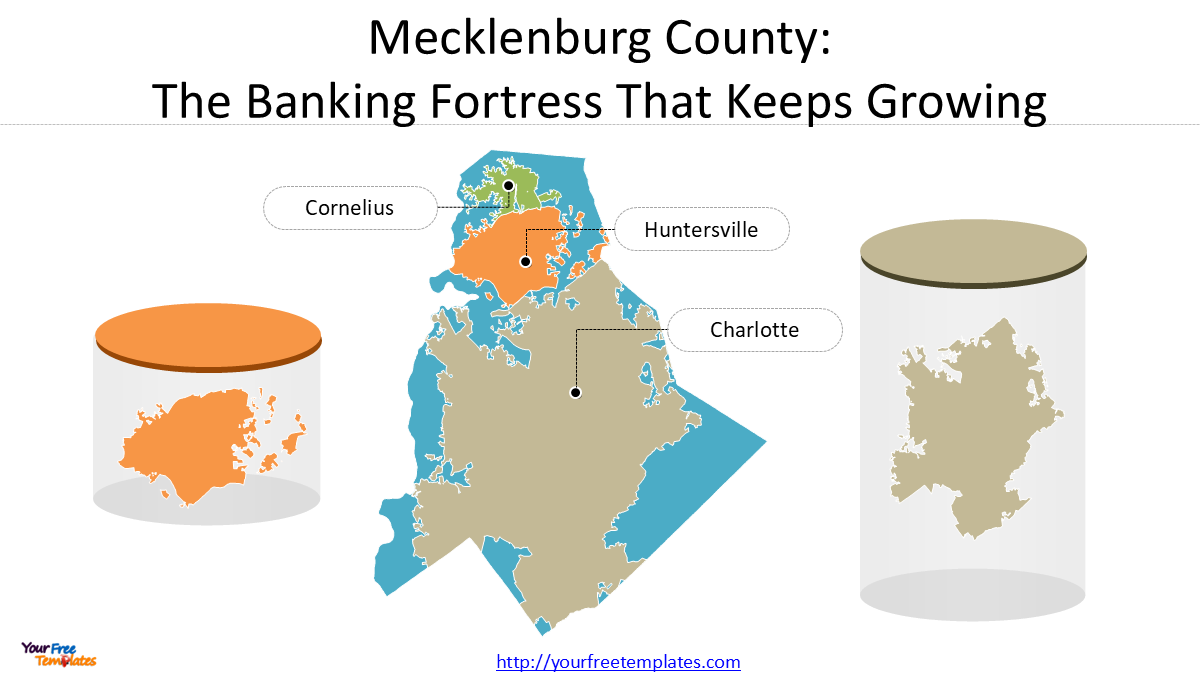
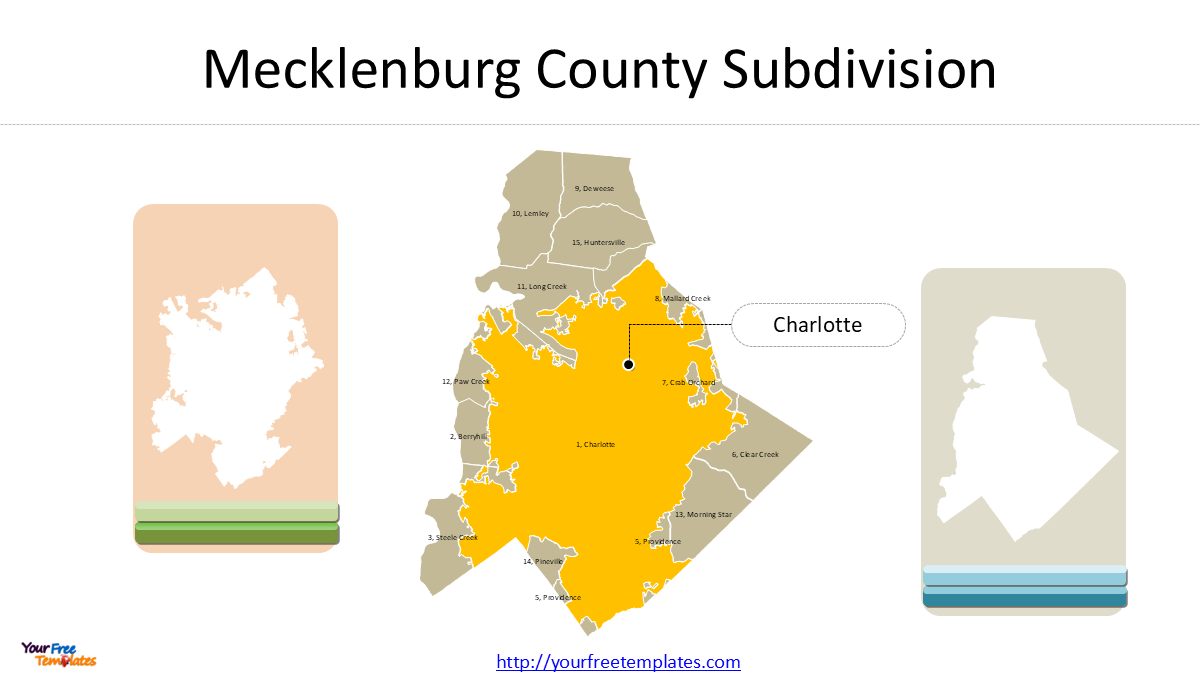
- Charlotte (~978,000): The core city is knocking on the door of one million residents. Uptown is where the banks live—glass towers full of people moving money around the world. But the real action in 2026 might be in South End, a former industrial district that’s become a mile-long stretch of apartments, breweries, and tech offices. It’s where the young professionals live, and it’s packed every night of the week.
- Huntersville (~70,000): North of the city, Huntersville is where families go. Good schools, lake access, new housing developments that look like they were plucked from a catalog. The commute to Uptown is a bear—45 minutes on a good day—but for people who want space, it’s worth it.
- Cornelius (~36,000): Right on Lake Norman, Cornelius is the luxury option. Waterfront properties, golf course communities, the kind of place where bank executives and professional athletes end up. It’s small, but its property tax base is enormous.
How They’re Different: The Tax vs. Culture Play
Here’s what fascinated me when I dug into the numbers. Fulton and Mecklenburg are both booming, but they’re running completely different plays.
Mecklenburg’s Strategy: Low Taxes, High Talent
North Carolina has been cutting taxes for a decade, and it’s working. Corporations look at the balance sheet—no personal income tax heading toward zero, corporate rates dropping—and decide that Charlotte makes more sense than New York or Chicago. The talent follows because the money in their paychecks goes further.
Fulton’s Strategy: Subsidies and Culture
Georgia doesn’t compete on tax rates. It competes on incentives. The film tax credit is the most famous example: it gives productions a 20-30% break on their spending, which has turned Atlanta into a movie-making machine. But the same logic applies to other industries. If you’re a creative company, Atlanta offers something Charlotte doesn’t: density of talent in entertainment-adjacent fields, from graphic design to virtual production.
The Southern Urbanism Shift
Here’s a term I heard from a planner in Atlanta: the Southern Urbanism Index. It measures how quickly a car-dependent Sun Belt city is building alternatives to highways.
Both counties are investing heavily in this. Atlanta has the BeltLine, which is now generating billions in economic activity along its corridor. Charlotte has the LYNX Blue Line, which keeps extending further into the suburbs. In 2026, the calculus is simple: young workers don’t want to spend their lives in traffic. Counties that offer train lines and bike trails win the talent war. Counties that don’t, lose.
The Growing Pains You Don’t See in Brochures
I should be honest: this growth comes with costs.
Gentrification is the obvious one. In both Atlanta and Charlotte, neighborhoods that were affordable a decade ago are now out of reach for the people who grew up there. The urban core is becoming a playground for the wealthy, while service workers commute in from farther and farther out.
Traffic remains brutal. Atlanta still ranks near the top of every “worst commute” list, and Charlotte is catching up faster than its roads can handle.
Infrastructure is strained. Water systems, sewage, schools—all of it is playing catch-up with population growth that nobody predicted even five years ago.
And there’s an identity question. As these counties become more national, more global, they risk losing what made them Southern in the first place. In 2026, the tension is real: how do you welcome 100 new residents every day without losing your soul?
What Comes Next
Both Fulton and Mecklenburg are likely to keep growing for the foreseeable future. Atlanta has the airport, the film industry, and the cultural weight. Charlotte has the banks, the tax environment, and the East Coast connectivity. They’re different bets on the future, but they’re both paying off.
Looking for Premium maps, please visit our affiliate site: https://editablemaps.com/ or https://ofomaps.com/
Size:490K
Type: PPTX
Episode 10: Largest Counties in Georgia and Largest Counties in North Carolina Template
Click the link to download it.
Aspect Ratio: Widescreen 16:9
Click the green button to download it.
Download the 16:9 Template