


Right now, America is witnessing its most significant redrawing of the population map in a generation—a seismic shift known as the Great Migration. But where, exactly, is everyone going? The answer lies in the Sun Belt Region, where a perfect storm of affordability, opportunity, and climate is fueling an unprecedented boom. This surge is defined by two powerful metrics: explosive percentage growth in smaller, emerging counties and massive numeric growth in established metropolitan giants. By examining the fastest growing US counties—hotspots like Kaufman, Texas and Pinal, Arizona—we can trace the powerful currents of domestic migration that are reshaping where Americans live, work, and build their futures.
This isn’t just a trend—it’s a transformation. Over the next six weeks, we’ll unpack exactly what’s happening in the 18 fastest-growing US counties, from why families are flocking to Kaufman County, Texas to how Miami-Dade keeps breaking its own growth records. But first, let’s understand the big picture.
At the end of this post, you can download our 18 Fastest Growing US Counties boundary PowerPoint template to fit your purpose. As the same diagram PowerPoint template series, you can also find our Top 12 Most Populous Countries, most dangerous cities in the US, Top 10 U.S. Cities with the Highest Violent Crime Rate, US Consolidated City County
- 18 Fastest Growing US Counties – Summary
- Episode 1 –The Exurban Explosion, Kaufman County, Texas; Dawson County, Georgia; and Pinal County, Arizona
- Episode 2 – Commuter Corridors US, Liberty County, Texas; Rockwall County, Texas; and Jackson County, Georgia
- Episode 3 – The Southwest Density Drivers, Comal, Texas; Ellis, Texas; and Osceola, Florida
- Episode 4 – Amenity Migration Hotspots,Brunswick County, North Carolina; Jasper County, South Carolina; and Madison County, Idaho
- Episode 5 – Highest Numeric Population Growth,Harris County, Texas; Maricopa County, Arizona; and Miami-Dade County, Florida
- Episode 6 – Tech Sprawl,Collin County, Texas; Clark County, Nevada; and Polk County, Florida
The Sun Belt Surge: America’s New Heartland
Remember when population growth meant moving to New York or California? Those days are over. Today, 87% of America’s population increase happens in Southern states, with Texas, Florida, and Arizona leading the charge. What’s driving this massive US population shift? It comes down to a simple equation: better jobs + lower costs + warmer weather = the new American dream.
Here’s what surprised me when I dug into the latest Census data: while immigration plays a role, domestic migration—Americans moving between states—is the real engine here. People aren’t just leaving expensive coastal cities; they’re making calculated moves toward affordability and opportunity. The result? An exurban boom that’s turning quiet counties into economic powerhouses.
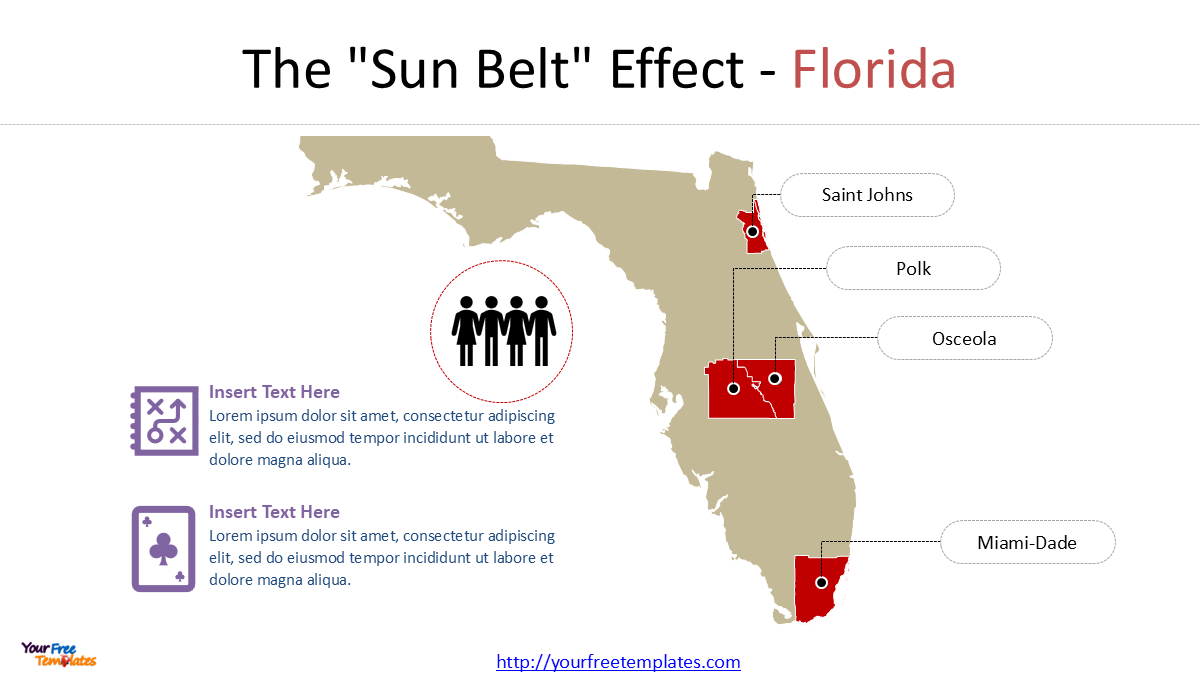
Meet the 18 Counties Rewriting America’s Map
Our series will explore these growth champions through six focused episodes. But first, here’s your cheat sheet to where America is moving right now:
Growth Leaders at a Glance:
| Rank | County, State | Why It’s Growing | Key Towns Driving Growth | Growth Rate |
|---|---|---|---|---|
| 1 | Kaufman County, TX | Dallas overflow, affordable housing | Forney, Terrell | ≈ 6.0% |
| 2 | Dawson County, GA | Atlanta’s northern expansion | Dawsonville | ≈ 6.4% |
| 3 | Pinal County, AZ | Phoenix spillover, available land | Queen Creek, Maricopa | ≈ 4.5% |
| 4 | Liberty County, TX | Houston energy corridor growth | Dayton, Cleveland | ≈ 5.0% |
| 5 | Rockwall County, TX | Lake communities near Dallas | Fate, Royse City | ≈ 4.9% |
| 6 | Jackson County, GA | Manufacturing revival, I-85 access | Jefferson, Commerce | ≈ 4.8% |
| 7 | Comal County, TX | Hill Country charm + jobs | New Braunfels, Bulverde | ≈ 4.0% |
| 8 | Ellis County, TX | Southern Dallas industrial boom | Waxahachie, Midlothian | ≈ 4.5% |
| 9 | Osceola County, FL | Affordable Orlando alternative | Kissimmee, St. Cloud | ≈ 3.8% |
| 10 | Brunswick County, NC | Coastal retirement + remote work | Leland, Southport | ≈ 3.7% |
| 11 | St. Johns County, FL | Top-rated schools, Jacksonville growth | St. Augustine, Ponte Vedra | ≈ 3.6% |
| 12 | Madison County, ID | Tech remote workers, college town | Rexburg | ≈ 3.5% |
| 13 | Harris County, TX | Energy, medical hub, immigration | Houston, Katy | ≈ 2.0% (+45,000 people!) |
| 14 | Maricopa County, AZ | Tech jobs, West Coast transplants | Phoenix, Buckeye | ≈ 1.5% (+37,000) |
| 15 | Collin County, TX | Corporate HQs, finance boom | Celina, Frisco | ≈ 3.0% (+36,000) |
| 16 | Miami-Dade County, FL | International gateway, finance | Miami, Doral | ≈ 2.3% (+32,000) |
| 17 | Clark County, NV | Tourism rebound, California exodus | Las Vegas, Henderson | ≈ 1.7% (+28,000) |
| 18 | Polk County, FL | Distribution hub, I-4 corridor | Lakeland, Davenport | ≈ 2.5% (+26,000) |
Data based on U.S. Census Bureau 2024 estimates and population analysis
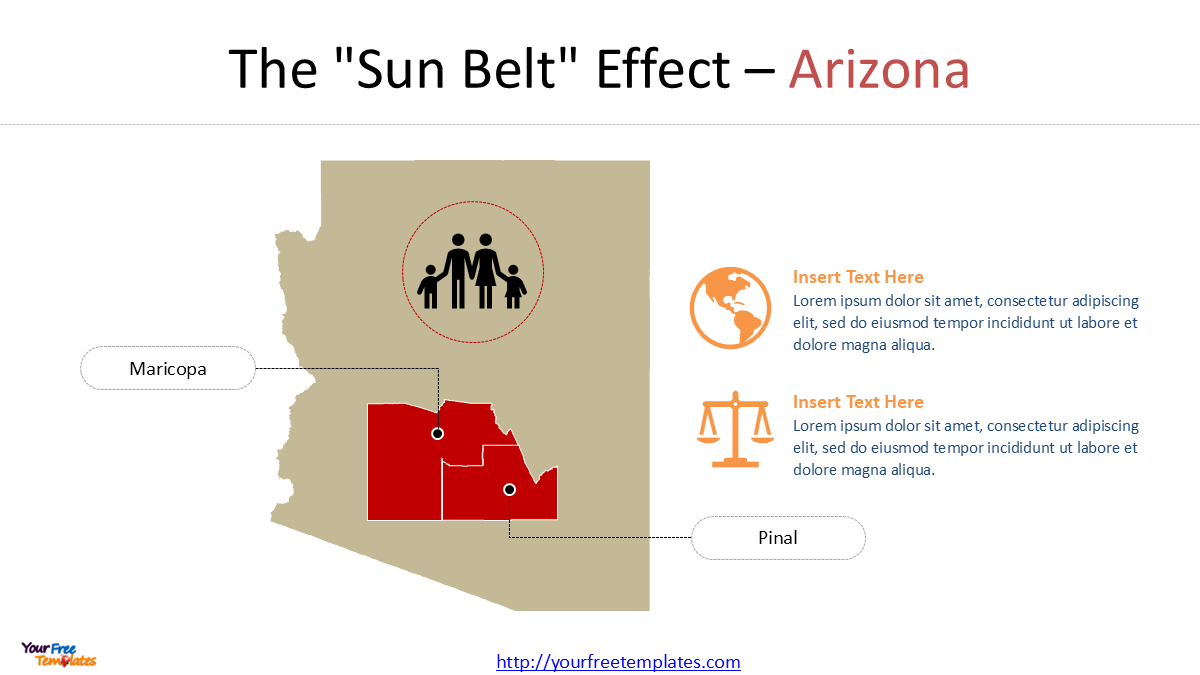
The Three Engines Powering This Growth
So why these specific counties? After analyzing migration patterns and economic data, three interconnected forces stand out:
1. The Affordability Revolution
Let’s be real: housing costs are driving this migration more than anything else. Counties like Kaufman, TX and Pinal, AZ offer what coastal cities can’t—space to breathe without bankrupting your budget. When a family can trade a cramped $800,000 California bungalow for a new $400,000 Texas home with an actual yard, the decision gets easier. This exurban boom isn’t about escaping cities entirely; it’s about finding smarter value within commuting distance.
2. The Job Magnet Effect
Growth doesn’t happen in a vacuum. Notice how many of these counties sit right next to major job centers? Collin County borders Dallas’s booming corporate corridor. Maricopa County is Phoenix’s economic heart. These areas offer the perfect compromise: access to high-paying jobs (often in tech, healthcare, or logistics) without the core city’s premium price tag. According to recent labor data, Sun Belt regions have added jobs 40% faster than the national average since 2020.
3. The Great Reshuffling
Here’s the fascinating part: we’re seeing two distinct migration waves converge. First, domestic movers—primarily from California, New York, and Illinois—seeking lower taxes and better weather. Second, international migrants who often settle directly in gateway counties like Harris (Houston) and Miami-Dade. Together, they’re creating growth that’s both rapid and diverse.
The Reality Check: Growth Isn’t Always Pretty
Before you start packing boxes, consider what rapid expansion actually means for these communities:
Infrastructure Strains
Imagine your town growing 5% annually. Now imagine your roads, schools, and water systems trying to keep up. Many of these counties of Sun Belt Region are playing catch-up—building schools while classrooms are already overcrowded, expanding highways that are perpetually under construction.
Resource Pressures
In Arizona’s Pinal County, groundwater levels are dropping as agriculture competes with new subdivisions for water. In Florida, insurance companies are pulling out of coastal areas due to climate risks. Sustainable growth means solving these hard problems now.
Identity Shifts
Places like New Braunfels, Texas (Comal County) have seen their small-town charm threatened by relentless development. Longtime residents sometimes feel their community changing too fast—a tension between economic opportunity and preserving what made these places special.
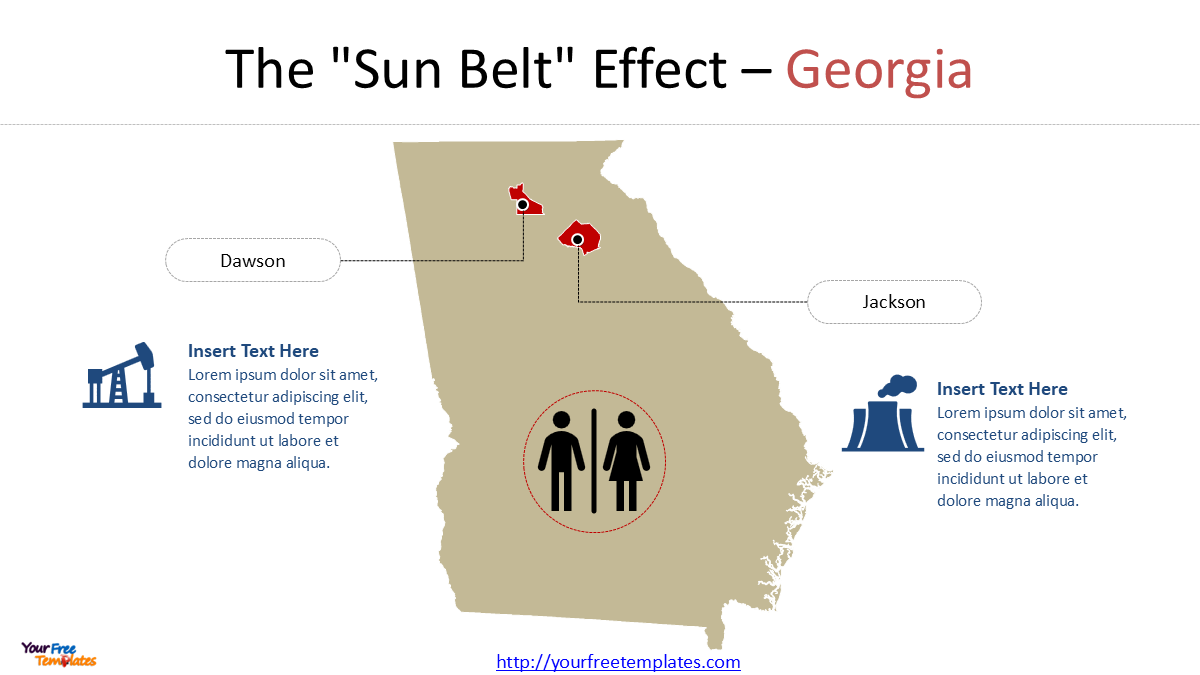
What’s Next: Opportunities Amid the Challenges
Despite these hurdles, the momentum isn’t slowing. Why? Because these counties of Sun Belt Region are evolving from bedroom communities into self-sustaining hubs. Celina, Texas isn’t just where Dallas workers sleep anymore—it’s attracting its own corporate campuses. Buckeye, Arizona isn’t just Phoenix overflow; it’s becoming a logistics and manufacturing center.
Smart counties are investing ahead of the curve. They’re:
-
Building schools before they’re desperately needed
-
Diversifying water sources in arid regions
-
Creating mixed-use developments that reduce commute demands
-
Preserving green spaces even as they grow
This blog series will delve into each county, exploring how these drivers manifest in places like Forney, TX (Kaufman County) and Celina, TX (Collin County), the specific cities that are literally rewriting the map of America.
Looking for Premium maps, please visit our affiliate site: https://editablemaps.com/ or https://ofomaps.com/
Size:238K
Type: PPTX
The 18 Fastest Growing US Counties Template
Click the link to download it.
Aspect Ratio: Widescreen 16:9
Click the green button to download it.
Download the 16:9 Template