
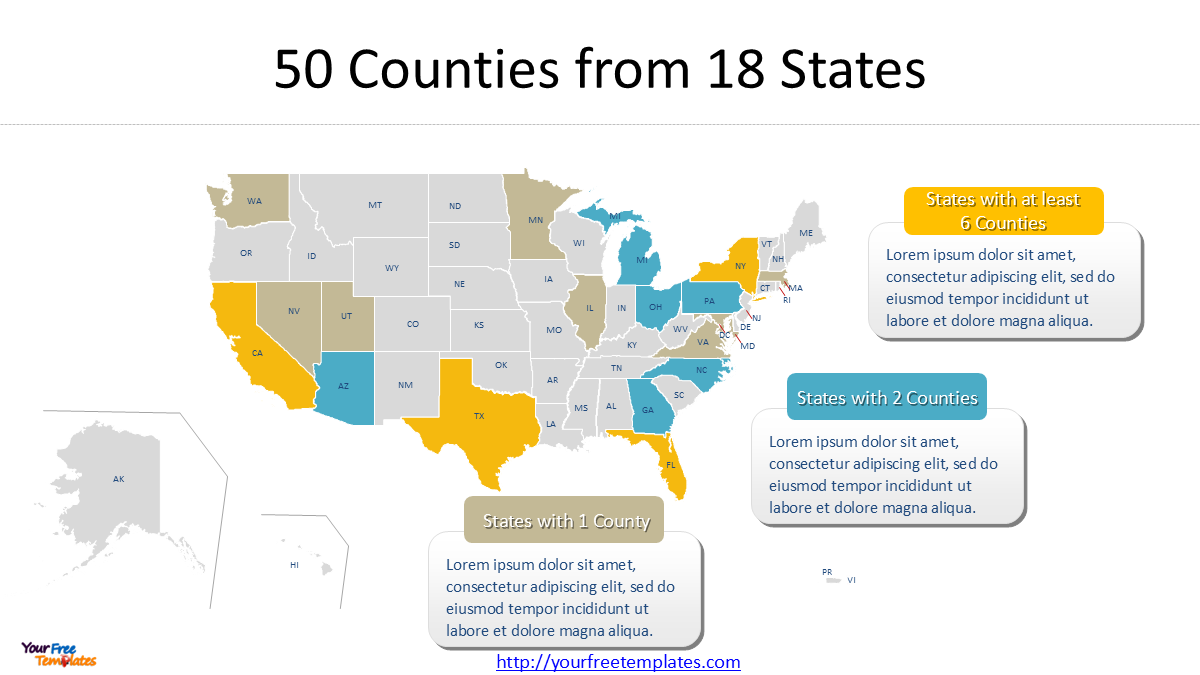
The “Million-Pop Club” is an exclusive tier of American local government that defines the nation’s economic, cultural, and political landscape. As of 2026, this club comprises exactly 50 counties that have crossed the threshold of one million residents. This group, while representing less than 2% of the total counties in the United States, houses roughly 30% of the entire U.S. population.
This summary serves as the foundational background for our 10-episode series, exploring how the Million-Pop Club has evolved from a collection of industrial Northeastern cores into a diverse, Sun Belt-dominated network of “megacounties.”
At the end of this post, you can download our Million-Pop Club Summary PowerPoint template to fit your purpose. As the same diagram PowerPoint template series, you can also find our 18 Fastest Growing US Counties, Top 12 Most Populous Countries, most dangerous cities in the US, Top 10 U.S. Cities with the Highest Violent Crime Rate, US Consolidated City County
- The New American Mosaic Summary
- The 18 Fastest Growing US Counties: Where America’s Future is Taking Shape
The Million-Pop Club: 2026 Landscape
The list below represents the current 50 members. For each, we identify the top three most populous cities (or major municipalities/boroughs) and the recent population growth trends observed between 2020 and 2026.
|
Rank |
County |
State |
Top 3 Cities/Areas |
Growth Trend |
|
1 |
Los Angeles |
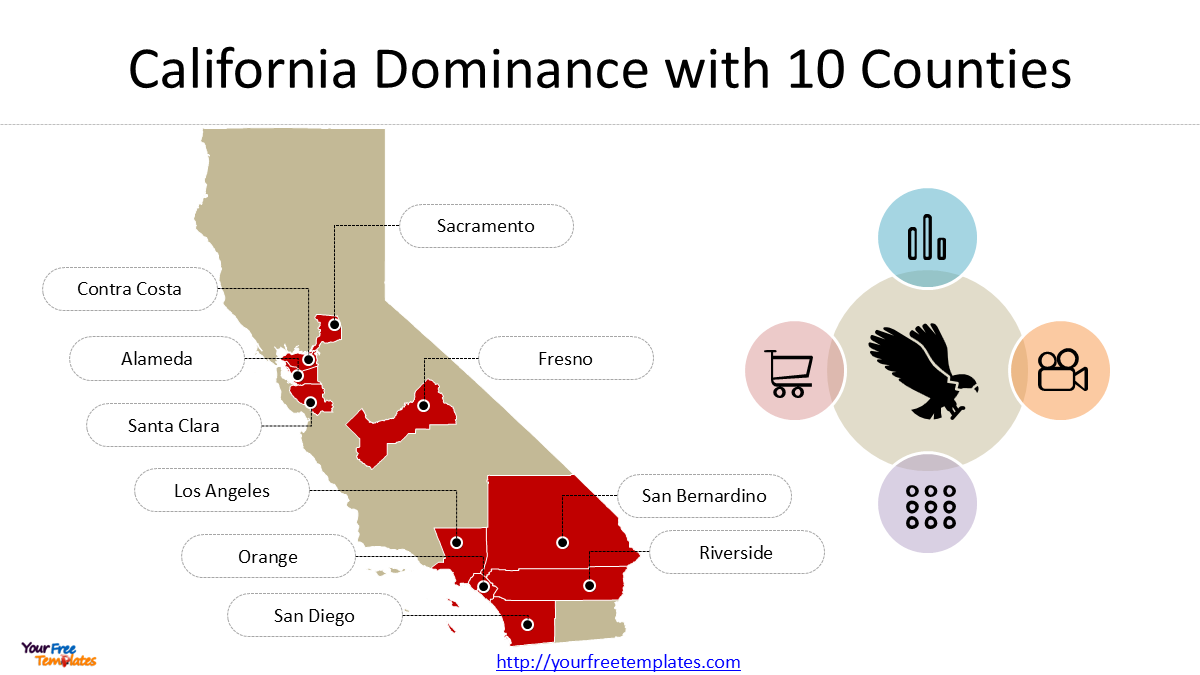
CA |
Los Angeles, Long Beach, Santa Clarita |
Steady/Slight Recovery |
|
2 |
Cook |
IL |
Chicago, Elgin, Arlington Heights |
Stagnant/Stabilizing |
|
3 |
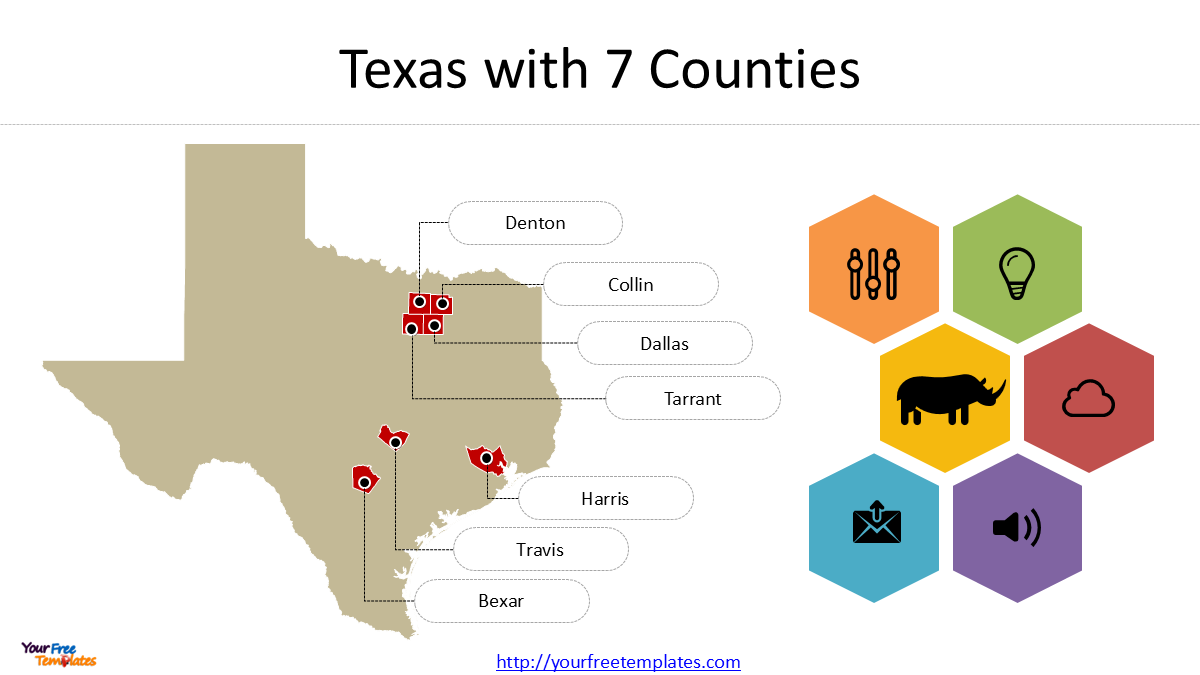
Harris |
TX |
Houston, Pasadena, Baytown |
Rapid |
|
4 |
Maricopa |
AZ |
Phoenix, Mesa, Chandler |
Rapid |
|
5 |
San Diego |
CA |
San Diego, Chula Vista, Oceanside |
Steady |
|
6 |
Orange |
CA |
Anaheim, Santa Ana, Irvine |
Steady |
|
7 |
Miami-Dade |
FL |
Miami, Hialeah, Miami Gardens |
Rapid |
|
8 |
Dallas |
TX |
Dallas, Irving, Garland |
Steady |
|
9 |
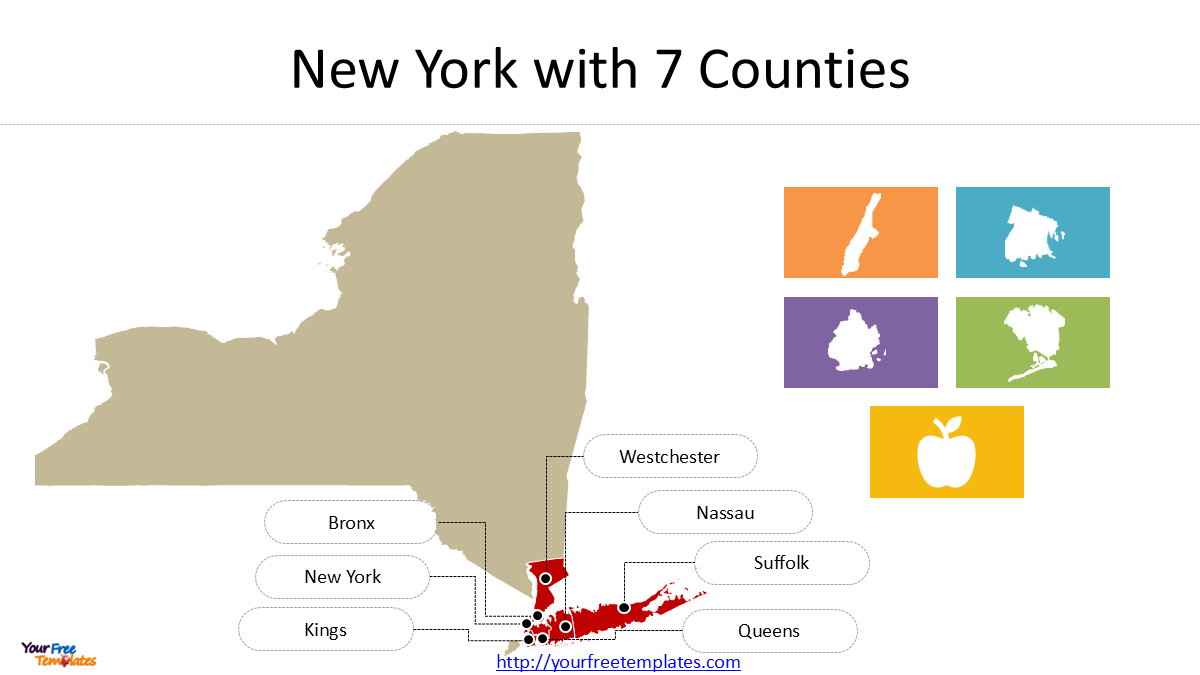
Kings |
NY |
Brooklyn (Part of NYC) |
Volatile/Recovering |
|
10 |
Riverside |
CA |
Riverside, Moreno Valley, Corona |
Rapid |
|
11 |
Clark |
NV |
Las Vegas, Henderson, North Las Vegas |
Rapid |
|
12 |
Queens |
NY |
Queens (Part of NYC) |
Volatile |
|
13 |
King |
WA |
Seattle, Bellevue, Kent |
Steady |
|
14 |
Tarrant |
TX |
Fort Worth, Arlington, North Richland Hills |
Rapid |
|
15 |
San Bernardino |
CA |
San Bernardino, Fontana, Ontario |
Steady |
|
16 |
Bexar |
TX |
San Antonio, Converse, Leon Valley |
Rapid |
|
17 |
Broward |
FL |
Fort Lauderdale, Pembroke Pines, Hollywood |
Steady |
|
18 |
Santa Clara |
CA |
San Jose, Sunnyvale, Santa Clara |
Steady |
|
19 |
Wayne |
MI |
Detroit, Dearborn, Livonia |
Slow/Declining |
|
20 |
Alameda |
CA |
Oakland, Fremont, Hayward |
Steady |
|
21 |
New York |
NY |
Manhattan (Part of NYC) |
Recovering |
|
22 |
Middlesex |
MA |
Cambridge, Lowell, Framingham |
Slow |
|
23 |
Sacramento |
CA |
Sacramento, Elk Grove, Citrus Heights |
Steady |
|
24 |
Palm Beach |
FL |
West Palm Beach, Boca Raton, Boynton Beach |
Rapid |
|
25 |
Hillsborough |
FL |
Tampa, Plant City, Temple Terrace |
Rapid |
|
26 |
Philadelphia |
PA |
Philadelphia (City/County Co-extensive) |
Stagnant |
|
27 |
Orange |
FL |
Orlando, Apopka, Ocoee |
Rapid |
|
28 |
Suffolk |
NY |
Brookhaven, Islip, Babylon |
Slow |
|
29 |
Nassau |
NY |
Hempstead, Oyster Bay, North Hempstead |
Slow |
|
30 |
Bronx |
NY |
Bronx (Part of NYC) |
Volatile |
|
31 |
Travis |
TX |
Austin, Pflugerville, Manor |
Rapid |
|
32 |
Franklin |
OH |
Columbus, Grove City, Upper Arlington |
Steady |
|
33 |
Oakland |
MI |
Troy, Farmington Hills, Southfield |
Slow |
|
34 |
Hennepin |
MN |
Minneapolis, Bloomington, Brooklyn Park |
Slow |
|
35 |
Collin |
TX |
Plano, McKinney, Frisco |
Ultra-Rapid |
|
36 |
Cuyahoga |
OH |
Cleveland, Parma, Lakewood |
Slow/Declining |
|
37 |
Wake |
NC |
Raleigh, Cary, Apex |
Rapid |
|
38 |
Allegheny |
PA |
Pittsburgh, Penn Hills, Mount Lebanon |
Slow/Declining |
|
39 |
Salt Lake |
UT |
Salt Lake City, West Valley City, West Jordan |
Steady |
|
40 |
Mecklenburg |
NC |
Charlotte, Huntersville, Cornelius |
Rapid |
|
41 |
Contra Costa |
CA |
Concord, Richmond, Antioch |
Steady |
|
42 |
Fairfax |
VA |
Herndon, Vienna, Clifton (Suburban Core) |
Steady |
|
43 |
Fulton |
GA |
Atlanta, Sandy Springs, Roswell |
Steady |
|
44 |
Montgomery |
MD |
Gaithersburg, Rockville, Takoma Park |
Slow |
|
45 |
Pima |
AZ |
Tucson, Marana, Sahuarita |
Steady |
|
46 |
Duval |
FL |
Jacksonville (City/County Co-extensive) |
Steady |
|
47 |
Denton |
TX |
Denton, Lewisville, Flower Mound |
Ultra-Rapid |
|
48 |
Fresno |
CA |
Fresno, Clovis, Reedley |
Steady |
|
49 |
Westchester |
NY |
Yonkers, New Rochelle, Mount Vernon |
Slow |
|
50 |
Gwinnett |
GA |
Lawrenceville, Duluth, Peachtree Corners |
Rapid |
 Driving Forces: Why These Counties Are Growing
The expansion of the Million-Pop Club is driven by four primary engines that have fundamentally altered the map of American urbanization.
- Sun Belt Migration: Over the last decade, a massive internal shift of residents from the Northeast and Midwest toward the South and West has occurred. States like Texas, Florida, Arizona, and North Carolina offer lower tax burdens, a warmer climate, and more affordable housing footprints. This Sun Belt migration is the single greatest contributor to the club’s expansion, as seen in the “Ultra-Rapid” growth of counties like Collin and Denton in Texas.
- The Tech and Logistics Hub Boom: Large-scale corporate relocations—particularly in the tech and logistics sectors—have turned counties like Maricopa (AZ) and Travis (TX) into economic magnets. These regions are no longer just “suburbs”; they are self-sustaining economic ecosystems that attract high-income professionals and the service industries that support them.
- International Migration Rebound: In 2024 and 2025, a significant surge in international immigration helped stabilize large coastal counties. In Harris County (TX) and Miami-Dade (FL), international arrivals offset what would have otherwise been a net loss in domestic migration, keeping their populations on a steep upward trajectory.
- Suburbanization of the Megacounty: We are seeing a “donut effect” where the central city may stagnate, but the surrounding county land explodes. In counties like Gwinnett (GA) and Wake (NC), the growth is driven by people seeking the amenities of a large metro area (Atlanta and Raleigh) but with the space and school systems of a suburban environment.
 Future Trends and Challenges-Million-Pop Club
As we look toward 2030, the Million-Pop Club faces significant demographic shifts that will define the next decade of American life.
The Graying of the Club
While many of these counties are growing numerically, they are also aging. In Florida’s million-pop counties, the median age is rising faster than the national average. This “Silver Tsunami” will require massive reinvestment in healthcare infrastructure and a shift in tax bases as residents move from income-earning to fixed-pension status.
The Rise of the “Exurban Million”
The next counties likely to join the club are not traditional cities but “exurban” giants. Watch for Montgomery County, TX (north of Houston) and Williamson County, TX (north of Austin). These are currently the fastest-growing regions in the country and represent the future of the American megacounty: sprawling, car-centric, and economically powerful.
Sustainability and Infrastructure Strain
Many Sun Belt counties face a “resource ceiling.” Maricopa (AZ) and Clark (NV) are grappling with long-term water rights in the face of persistent drought. Meanwhile, the rapid population growth in Texas has put unprecedented strain on the electrical grid and highway systems. The future of the Million-Pop Club depends on whether these regions can build infrastructure fast enough to accommodate their own success.
The Sovereign Fifty: A 13-Episode Master Plan of Million-Pop Club
Phase I: The Foundation (The Giga-Counties)
- Episode 1: The Heavyweights (The Big Five) – An analysis of the “Giga-Counties” (LA, Cook, Harris, Maricopa, San Diego) that function as semi-autonomous nation-states with populations larger than many US states.
- Episode 2: California Gold (The 10-Titan Block) – A deep dive into the state that owns 20% of the club. We explore the synergy between the “Silicon Heart” (Santa Clara) and the new “Agricultural Goliath” (Fresno).
Phase II: The Regional Power Blocks
- Episode 3: The Texas Titans – Mapping the “Texas Triangle” (Harris, Dallas, Tarrant, Bexar). How these four counties are single-handedly driving the national economic engine through energy and finance.
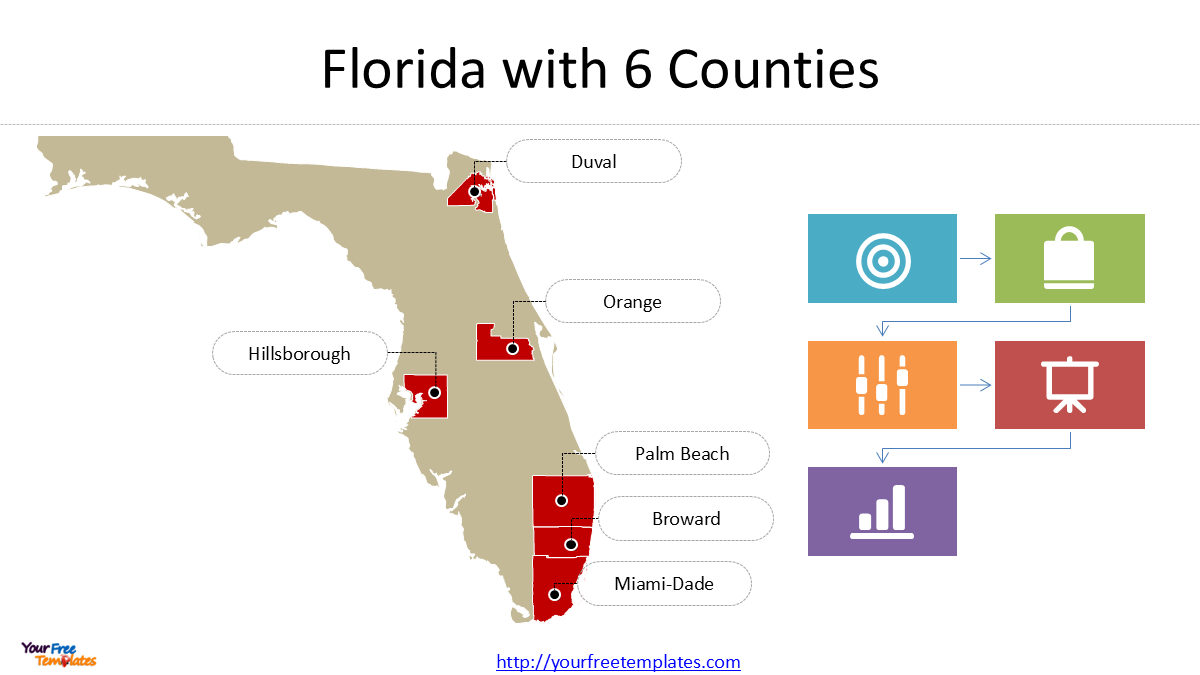
- Episode 4: The Florida Surge – The “Wall Street South” migration. Why Miami-Dade, Broward, and Palm Beach are becoming the new high-wealth anchors of the Atlantic.
- Episode 5: The Mid-Atlantic Anchors – The “Stability Giants” (Fairfax, Montgomery, Philly). Focusing on federal tech, life sciences, and the resilience of the I-95 corridor.
- Episode 6: The Midwest Heartlands – The “Rust to Robots” story. How Wayne (Detroit) and Oakland (MI) are pivoting to EV manufacturing while Cook (Chicago) remains the logistics king.
Phase III: The Migration Shift
- Episode 7: The Pacific Powerhouses – The “Innovation Coast” (Coastal LA, Orange, San Diego). Analyzing how high-density urbanism is evolving to keep talent from fleeing to the Sun Belt.
- Episode 8: The Inland Empire & Desert Surge – The “Residential Safety Valve.” Why Riverside and San Bernardino are seeing the most explosive housing growth in the West.
- Episode 9: The Southwest Sun Giants – The “Silicon Desert” (Maricopa) and “Neon Diversification” (Clark). How these desert titans solved the water-energy equation to support 7 million people.
- Episode 10: The Southeast Powerhouses – The “Corporate Sovereigns.” Analyzing Fulton (Atlanta) as the cultural capital and Mecklenburg (Charlotte) as the second-largest banking hub.
Phase IV: The New Frontiers & The Final Word
- Episode 11: The New Class (The 2026 Disrupters) – Profiles of Travis (TX), Wake (NC), and Utah (UT). These are the “Agile Giants” growing 3x faster than the legacy members.
- Episode 12: The Legacy Pillars (The Urban Guardians) – The definitive look at the NYC Boroughs, Middlesex (MA), Cuyahoga (OH), and Hennepin (MN). How the “Originals” are retrofitting for a high-density, green-tech future.
- Episode 13: The Future of the Megacounty (2030 & Beyond) – Predicting the next million-person entries and calculating the “Complexity Tax” (Cx) for the next decade of American growth.
 Looking for Premium maps, please visit our affiliate site: https://editablemaps.com/ or https://ofomaps.com/
Size:542K
Type: PPTX
US Million-Pop Club Summary Template
Click the link to download it.
Aspect Ratio: Widescreen 16:9
Click the green button to download it.
Download the 16:9 Template