


Largest counties in Texas are writing the playbook for American growth in the 2020s. As the explosive momentum of the Sun Belt migration concentrates in the Lone Star State, a powerful group of Texas counties over 1 million people has emerged, led by the four titans of the “Texas Triangle”: Harris, Dallas, Tarrant, and Bexar Counties. These aren’t just populous regions; they are high-performance economic engines where corporate relocations, a lower cost of living, and strategic infrastructure investments are fueling a demographic boom unlike any other in the nation.
As of 2026, the “Texas Triangle”—the region anchored by Houston, Dallas-Fort Worth, and San Antonio/Austin—is the fastest-growing mega-region in the United States. While California holds the most members in the Million-Pop Club, Texas is where the momentum is most explosive. This episode focuses on the four primary “titans”: Harris, Dallas, Tarrant, and Bexar Counties, while also acknowledging the surging growth in the surrounding “ring” counties that have recently joined the club.
In the Texas of 2026, growth is no longer just about oil and gas. It is about a massive Sun Belt migration fueled by corporate relocations, a lower cost of living, and an aggressive pro-business environment. These counties are no longer just collections of suburbs; they are high-performance megacounty units navigating the challenges of infrastructure, population density, and a changing climate.
At the end of this post, you can download our Episode 3: Largest Counties in Texas 2024 PowerPoint template to fit your purpose. As the same diagram PowerPoint template series, you can also find our 18 Fastest Growing US Counties, Top 12 Most Populous Countries, most dangerous cities in the US, Top 10 U.S. Cities with the Highest Violent Crime Rate, US Consolidated City County
- The New American Mosaic Summary
- The 18 Fastest Growing US Counties: Where America’s Future is Taking Shape
- 50 Megacounty: The Rise and Resilience of the Million-Pop Club
- Episode 1: Largest Counties in the US: Inside the Elite Million-Pop Club
- Episode 2: Largest Counties in California 2024: Orange, Riverside, San Bernardino & Bay Area Population
The Texas Million-Pop Club: 2026 Standings
| Rank | County | Estimated Population (2026) | Primary Economic Driver |
| 1 | Harris | 5,221,006 | Energy & Life Sciences |
| 2 | Dallas | 2,695,576 | Finance & Technology |
| 3 | Tarrant | 2,296,294 | Aerospace & Logistics |
| 4 | Bexar | 2,186,833 | Cybersecurity & Tourism |
| 5 | Travis | 1,395,215 | Tech & Government |
| 6 | Collin | 1,254,658 | Corporate HQ & Retail |
| 7 | Denton | 1,045,120 | Education & Manufacturing |
1. Largest Counties in Texas-Harris County: The Global Energy Heart
Harris County is the anchor of the American South. As we noted in Episode 1, Harris is currently in a dead-heat with Cook County (Chicago) for the #2 spot in the nation. By early 2026, Harris has cemented its status as a global city-state. It is the most ethnically diverse county in the United States, serving as a gateway for international migration that fuels its massive labor market.
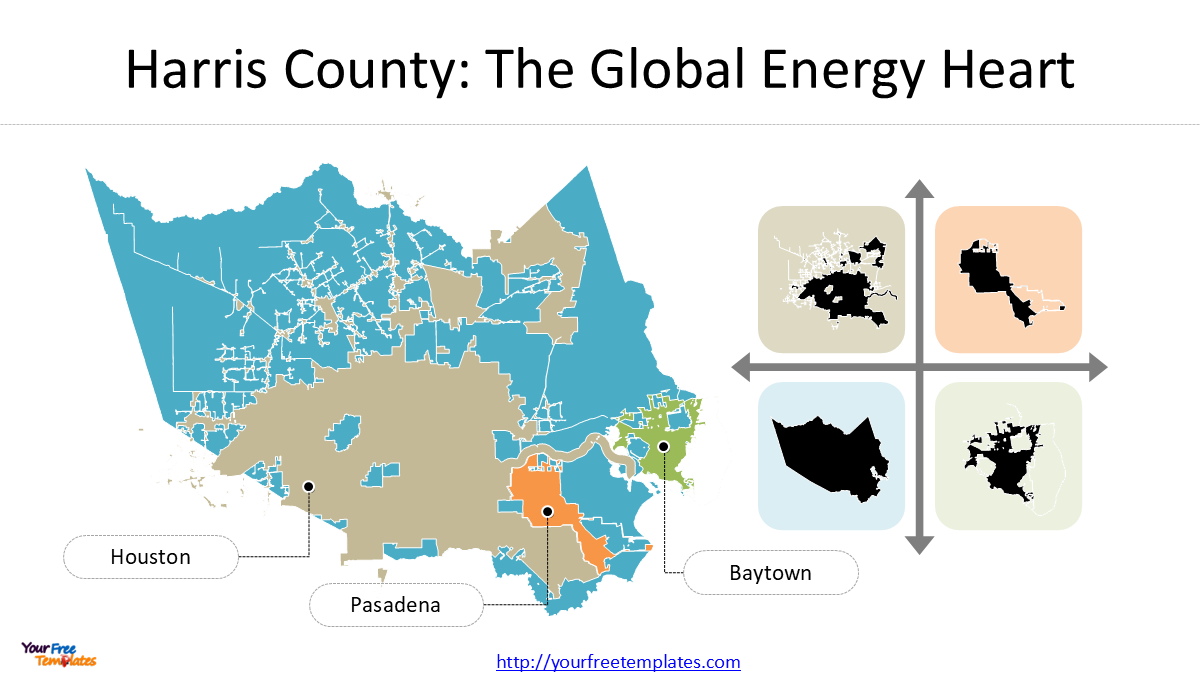
The Top 3 Cities of Harris County
-
Houston (~2,435,700): The powerhouse. In 2026, Houston is leading the “Energy Transition,” with billions invested in carbon capture and hydrogen technology. The city is also seeing a surge in population density in its Inner Loop as it moves away from its purely sprawling past.
-
Pasadena (~148,700): Known as the industrial heart of the Gulf Coast, Pasadena is a critical link in the nation’s energy supply chain. While its population is stable, its economic output per capita remains among the highest in the state.
-
Baytown (~86,300): A leader in maritime and petrochemical logistics. In 2026, Baytown is benefiting from a massive expansion of the Port of Houston, driving new residential developments in the city’s eastern corridor.
2. Largest Counties in Texas-Dallas County: The Financial Capital of the South
If Houston is the industrial engine, Dallas is the brain. Dallas County is the financial and logistical nerve center of the Central United States. In 2026, the county has successfully transitioned from a “regional hub” to a “global financial center,” rivaling New York and Charlotte for banking dominance.
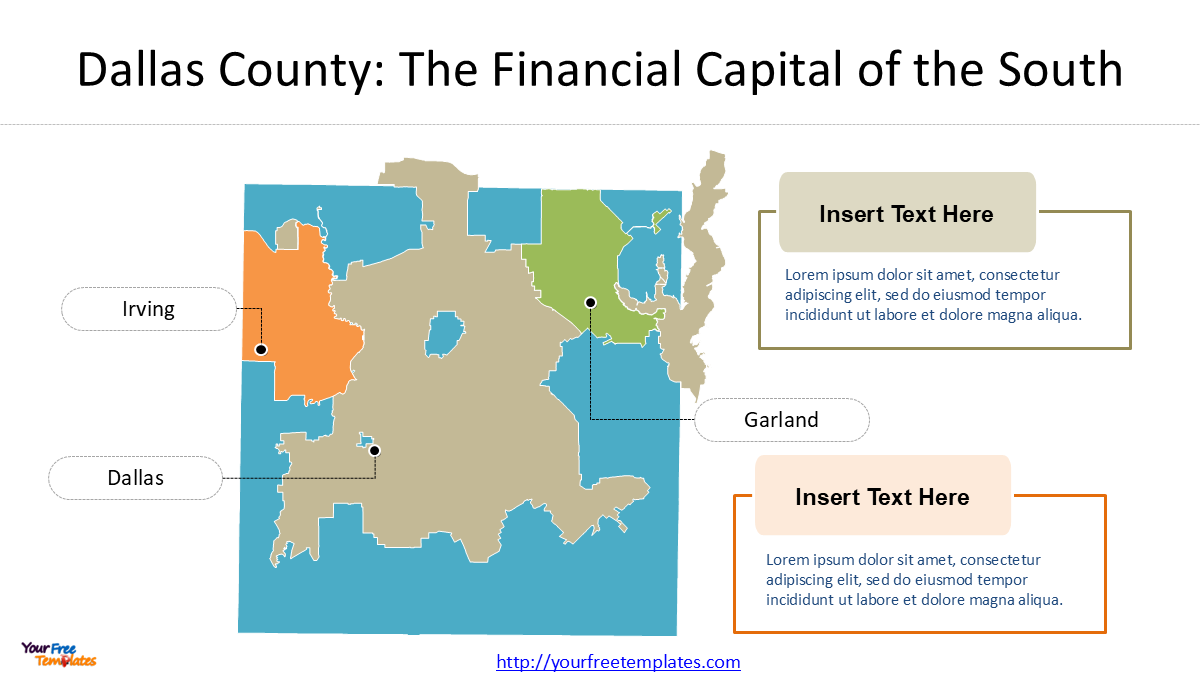
The Top 3 Cities of Dallas County
-
Dallas (~1,337,400): The city of Dallas is currently undergoing a “Vertical Revolution.” With land in the urban core becoming scarce, 2026 has seen a record number of high-rise residential starts, significantly increasing the population density of the Uptown and Deep Ellum districts.
-
Irving (~258,600): Home to Las Colinas, Irving is a corporate HQ magnet. In 2026, it serves as a “global village,” housing more Fortune 500 headquarters per square mile than almost any other city in Texas.
-
Garland (~252,400): A bastion of manufacturing and diverse residential life. Garland is the quiet giant of Dallas County, providing the essential workforce and industrial space that keeps the regional economy moving.
3. Largest Counties in Texas-Tarrant County: The Aerospace Frontier
Tarrant County, anchored by Fort Worth, is often seen as the “Western half” of the DFW Metroplex, but in 2026, it is a titan in its own right. It is defined by a unique blend of “Cowtown” heritage and “Space Age” technology. It is one of the few places in America where you can see a cattle drive in the morning and a fighter jet test flight in the afternoon.
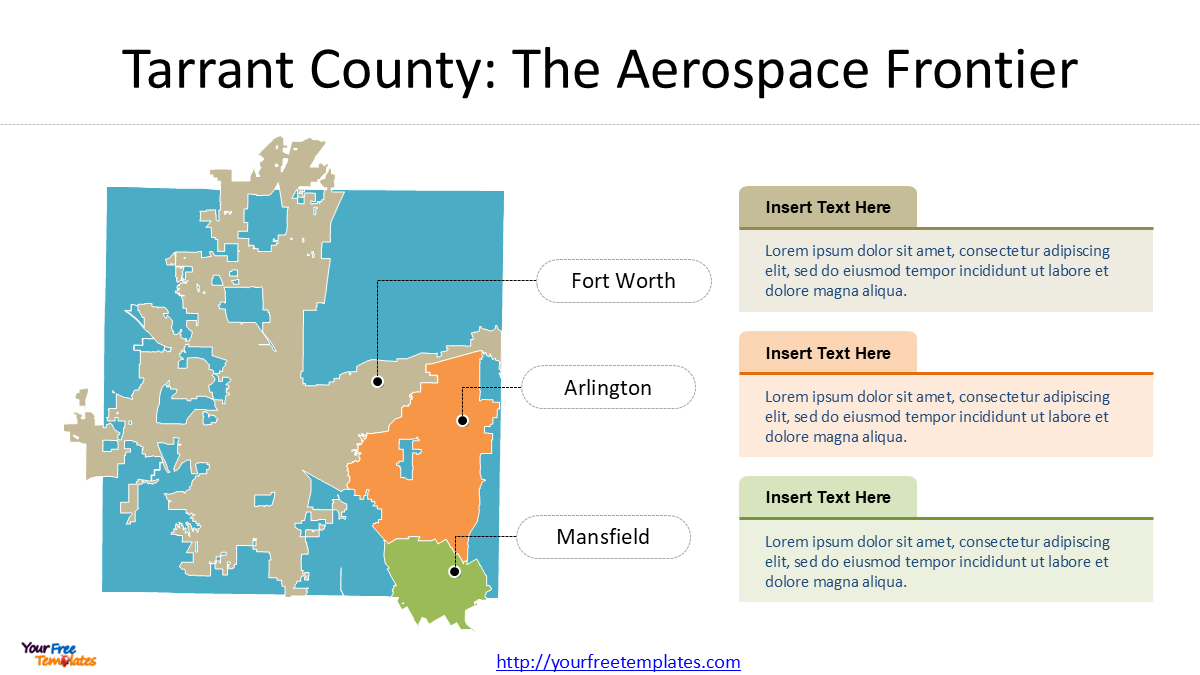
The Top 3 Cities of Tarrant County
-
Fort Worth (~1,050,300): Fort Worth is one of the fastest-growing large cities in America. In 2026, it has officially surpassed the one-million mark as a city, fueled by massive exurban growth to the north and a revitalized, walkable downtown core.
-
Arlington (~408,300): The entertainment capital of Texas. Between the professional sports stadiums and the University of Texas at Arlington, this city is a hub of constant activity and a key driver of the county’s tourism and education sectors.
-
Mansfield (~84,800): Representing the booming southern tier of the county. Mansfield is the premier choice for families seeking the “Texas Dream”—high-quality schools, modern infrastructure, and large homes, contributing significantly to the county’s overall population surge.
4. Largest Counties in Texas-Bexar County: The Surging South
Bexar County (pronounced bear) is the cultural soul of Texas. Centered on San Antonio, it has seen a dramatic shift in 2025-2026. Long known for tourism and the military, it has rebranded itself as the “Cybersecurity Capital” of the United States, hosting the largest concentration of cyber-professionals outside of Washington, D.C.
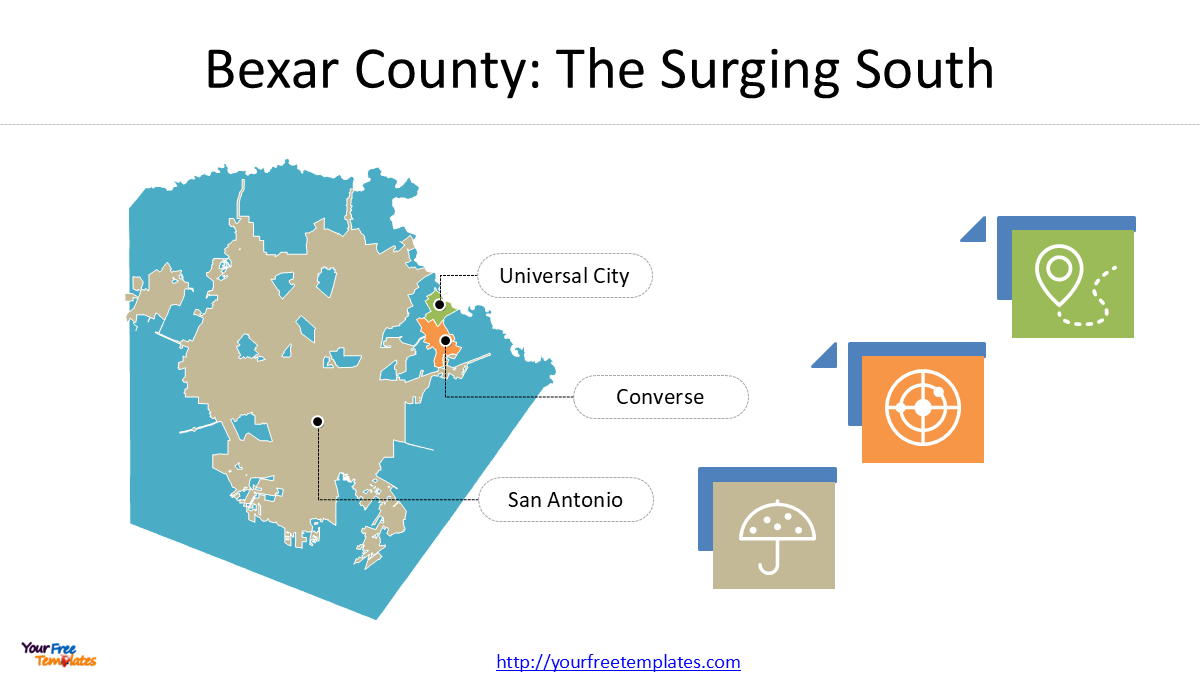
The Top 3 Cities of Bexar County
-
San Antonio (~1,570,300): The 7th largest city in the U.S. In 2026, San Antonio is leveraging its historic missions and the River Walk to fund a future-forward tech economy. It remains one of the most affordable “big cities” in the Million-Pop Club.
-
Converse (~33,100): A city experiencing hyper-growth. As San Antonio’s core becomes more expensive, Converse has become the primary destination for military families and young professionals looking for suburban stability on the city’s northeast edge.
-
Universal City (~20,500): Closely tied to Randolph Air Force Base, this city represents the “Military City, USA” identity of Bexar County. It is a stable, high-density community that serves as a vital residential anchor for the region’s defense personnel.
The Surging Ring: Travis, Collin, and Denton of Largest Counties in Texas
While the four titans above represent the historic weight of Texas, the real 2026 “Growth Shock” is coming from the newest members of the Million-Pop Club.
-
Travis County (~1,395,200): The home of Austin. In 2026, Travis County is the “Silicon Hills.”
-
Top 3 Cities: Austin, Leander, Pflugerville.
-
-
Collin County (~1,254,600): The northern neighbor to Dallas. Collin is a model for high-income exurban growth.
-
Top 3 Cities: Plano, Frisco, McKinney.
-
-
Denton County (~1,045,100): The newest heavyweight. Denton is where the “New Texas” is being built from the ground up.
-
Top 3 Cities: Denton, Lewisville, Flower Mound.
-
“In the Dallas-Fort Worth area, we are no longer looking at individual cities. We are looking at a contiguous urban fabric that stretches 100 miles. The lines between Dallas, Tarrant, Collin, and Denton have blurred into a single economic engine.” — Series Commentary
Analysis: The Mechanics of the Texas Boom
The Texas Titans are succeeding in 2026 because they have mastered the art of The Overflow. When a core city like Austin or Dallas reaches its population density limit or price ceiling, the growth doesn’t stop; it simply spills into the next county.
The Mobility Challenge
The biggest threat to the Texas Million-Pop Club in 2026 is “The Commute.” Unlike California, which is retrofitting rail, Texas remains largely car-dependent.
-
Harris County is experimenting with “Managed Lanes”—massive highway systems that use AI-driven tolling to keep traffic moving.
-
Tarrant and Dallas are pushing for a high-speed rail link that would connect the two cores in under 20 minutes, a project that is a top priority in 2026.
Water and Power
The “Texas Miracle” faces a physical limit: the grid and the faucet.
-
Bexar County is a world leader in brackish water desalination.
-
Harris County is integrating massive battery-storage farms to stabilize a power grid that has struggled with the extreme heat of the mid-2020s.
Episode Conclusion: The Second City of the Third Coast
The story of Texas in 2026 is one of unbridled ambition. Harris County is on the cusp of becoming the second-most populous county in America. Dallas and Tarrant are forming a “Double-Titan” metro that is unrivaled in the interior U.S. And Bexar is proving that a city can keep its cultural heritage while becoming a tech powerhouse.
These titans show us that the Million-Pop Club is not just about having a lot of people; it’s about having the infrastructure and the economic diversity to support them.
Looking for Premium maps, please visit our affiliate site: https://editablemaps.com/ or https://ofomaps.com/
Size:620K
Type: PPTX
Episode 3: Largest Counties in Texas Template
Click the link to download it.
Aspect Ratio: Widescreen 16:9
Click the green button to download it.
Download the 16:9 Template