

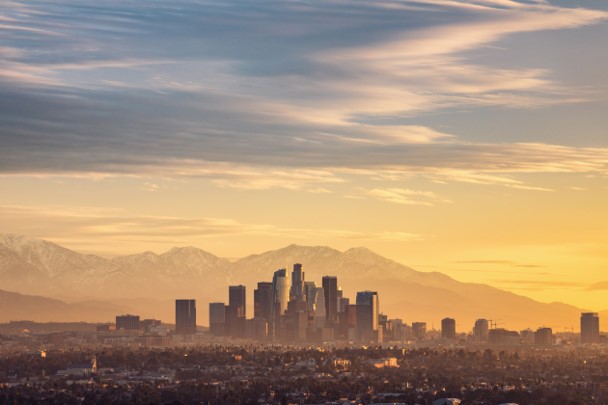
When you search for immigrants in Los Angeles, wonder about the latest trends among Miami immigrants, investigate the growth of immigrants in Houston, or look into the historic communities of Chicago immigrants, you’re looking at the four pillars of American immigration. These cities aren’t just places where immigrants live—they’re demographic engines where the world arrives and rebuilds itself, each with a distinct economic and cultural fingerprint. Los Angeles operates as a mature, multi-generational hub; Miami functions as a hemispheric capital; Houston represents the booming Sun Belt frontier; and Chicago serves as America’s reliable inland anchor.
In this debut episode of The New American Mosaic, we examine how these four “Mega-Gateways” collectively host nearly 10 million foreign-born residents, yet tell four completely different stories of arrival, integration, and community building. Using the latest U.S. Census data, we’ll explore why a Mexican family might choose Houston over Los Angeles, how a Venezuelan professional’s experience differs in Miami versus Chicago, and what these patterns reveal about the next chapter of the American story. This is where the numbers meet the neighborhoods, and where immigration stops being a statistic and starts looking like the future of American cities.
At the end of this post, you can download our The Mega-Gateways PowerPoint template to fit your purpose. As the same diagram PowerPoint template series, you can also find our The New American Mosaic: Mapping the 2026 Immigrant Population, Top 12 Most Populous Countries, most dangerous cities in the US, Top 10 U.S. Cities with the Highest Violent Crime Rate, US Consolidated City County
Immigrants in Los Angeles: The Maturing Metropolis
With approximately 3.3 million foreign-born residents, immigrants in Los Angeles represent the largest concentration of newcomers in any American metropolitan area. But LA’s story has evolved from a pure arrival point to what demographers call a “mature gateway“—a place where second and third generations now drive cultural and economic change.
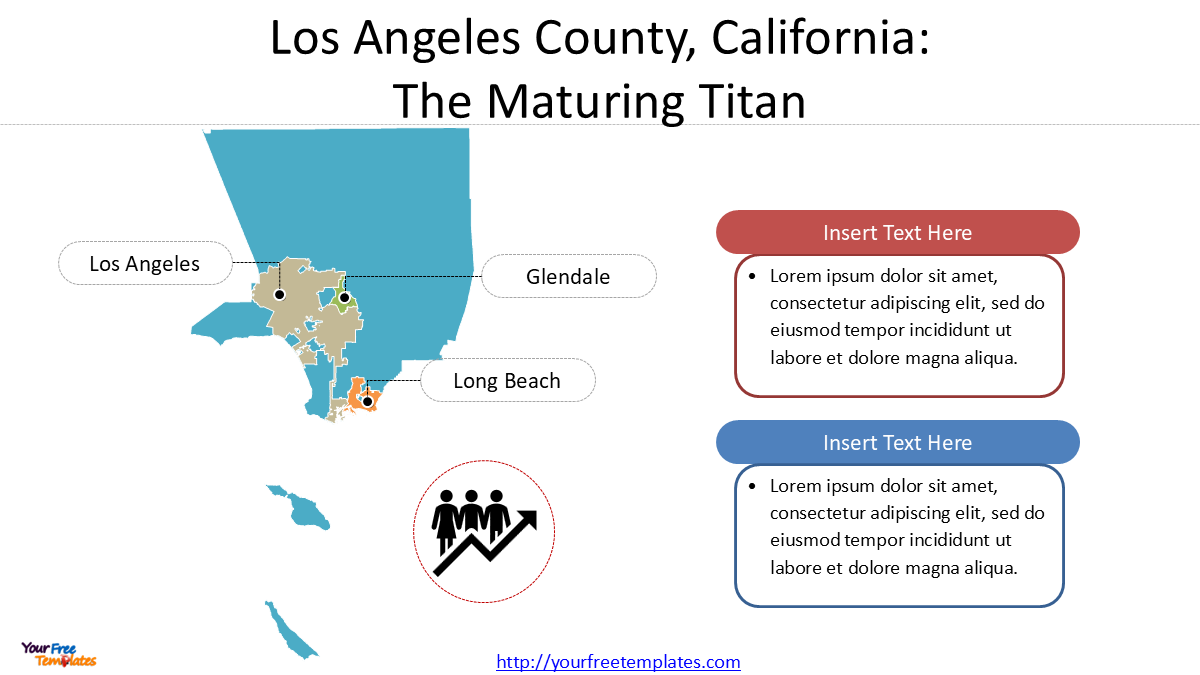
Top 3 Cities & Origins:
-
Los Angeles: The heart of the “mosaic,” featuring the world’s largest Mexican diaspora alongside major Central American and Korean enclaves.
-
Long Beach: Famous for its “Cambodia Town,” hosting the largest Cambodian population outside of Southeast Asia.
-
Glendale: A global cultural center for the Armenian community, influencing local commerce and civic life.
The Neighborhoods That Built an Industry
“People talk about Hollywood, but the real LA story is in neighborhoods like Koreatown and Boyle Heights,” says urban historian Dr. Maria Rodriguez. “The immigrants in Los Angeles didn’t just fill jobs—they built entire industries. Korean immigrants revitalized retail corridors in the 90s, while Mexican and Central American labor built the city’s construction and service backbone.”
This maturation creates fascinating generational shifts. In the San Gabriel Valley, you’ll find third-generation Chinese-American tech entrepreneurs funding restaurants that employ newly arrived Mandarin-speaking staff. In South LA, African immigrants from Ethiopia and Nigeria have transformed entire commercial strips, creating what locals call “Little Africa” alongside long-established Latino communities.
The Affordability Exodus and Its Limits
While high costs have pushed some immigrants in Los Angeles to inland counties, the city maintains powerful gravitational pull. “Yes, some families move to Riverside for cheaper homes,” notes community organizer Carlos Mendez. “But they often keep businesses, churches, and family networks in LA. The connection isn’t broken—it’s stretched across freeways.”
Miami Immigrants: The Hemispheric Capital
Search for Miami immigrants and you’ll find something unique in American demographics: a county where immigrants aren’t a population segment but the majority population. With over 54% foreign-born, Miami-Dade County functions less like a traditional American city and more like the unofficial capital of the Americas.
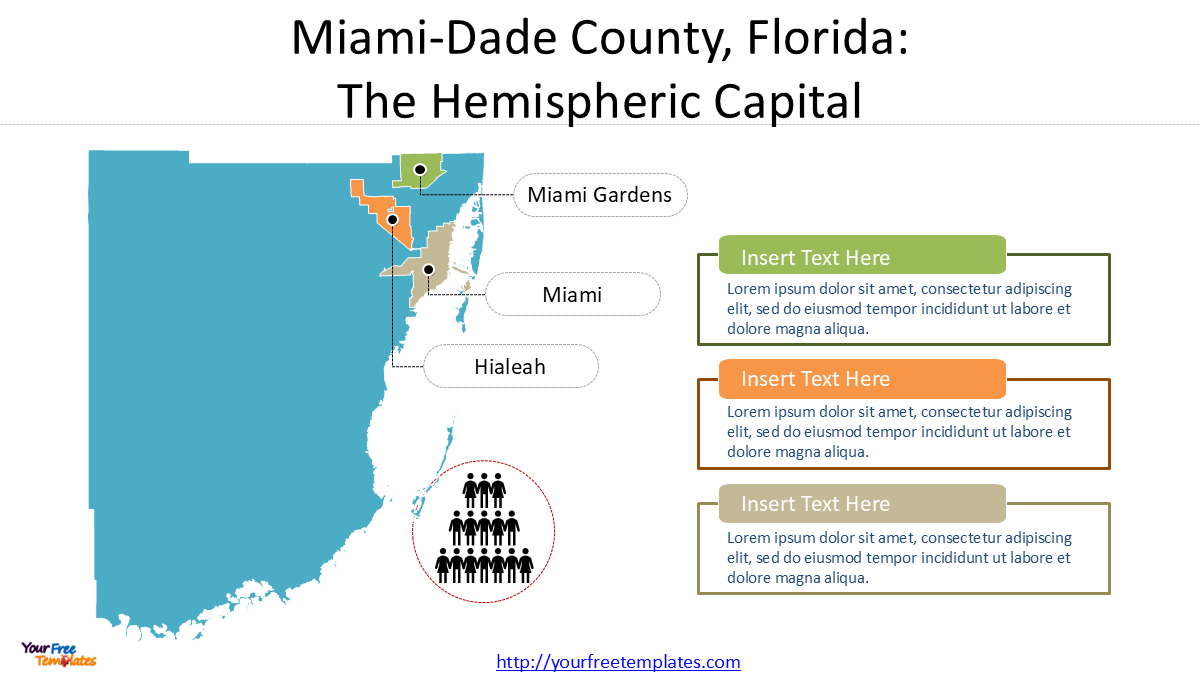
Top 3 Cities & Origins:
-
Miami: A high-growth hub currently seeing a massive surge from Venezuela and Colombia due to regional political shifts.
-
Hialeah: Known as the “most Cuban city in America,” where the Cuban experience defines every aspect of daily life.
-
Miami Gardens: A vital center for the Haitian and Jamaican diaspora, reflecting the deep Caribbean roots of South Florida.
The Venezuelan and Colombian Surge
“Since 2018, we’ve seen what I call ‘crisis migration‘ from Venezuela and Colombia,” explains immigration attorney Elena Ruiz. “These aren’t typical economic migrants—they’re professionals, business owners, and students fleeing instability. The Miami immigrants from these countries are transforming everything from real estate to finance.”
This recent wave has layered onto established communities. In neighborhoods like Doral, you’ll find Venezuelan arepa shops next to long-standing Cuban cafeterias, with Colombian-owned export companies around the corner. This creates what economists call “intra-Latin American entrepreneurship“—businesses that serve multiple diasporas simultaneously.
The Cuban Foundation and Its Evolution
No discussion of Miami immigrants is complete without acknowledging the Cuban community that built modern Miami. “What began as an exile community in the 60s has become a multi-generational power structure,” says political analyst Jose Martinez. “First-wave Cubans built political institutions, their children built businesses, and now their grandchildren are reshaping Miami’s tech and arts scenes while maintaining deep cultural ties.”
Immigrants in Houston: The Sun Belt’s Affordable Alternative
When people search for immigrants in Houston, they’re often discovering America’s most dynamic emerging gateway. Harris County now consistently leads the nation in net international arrivals, representing a fundamental shift in where newcomers are choosing to build their American lives.
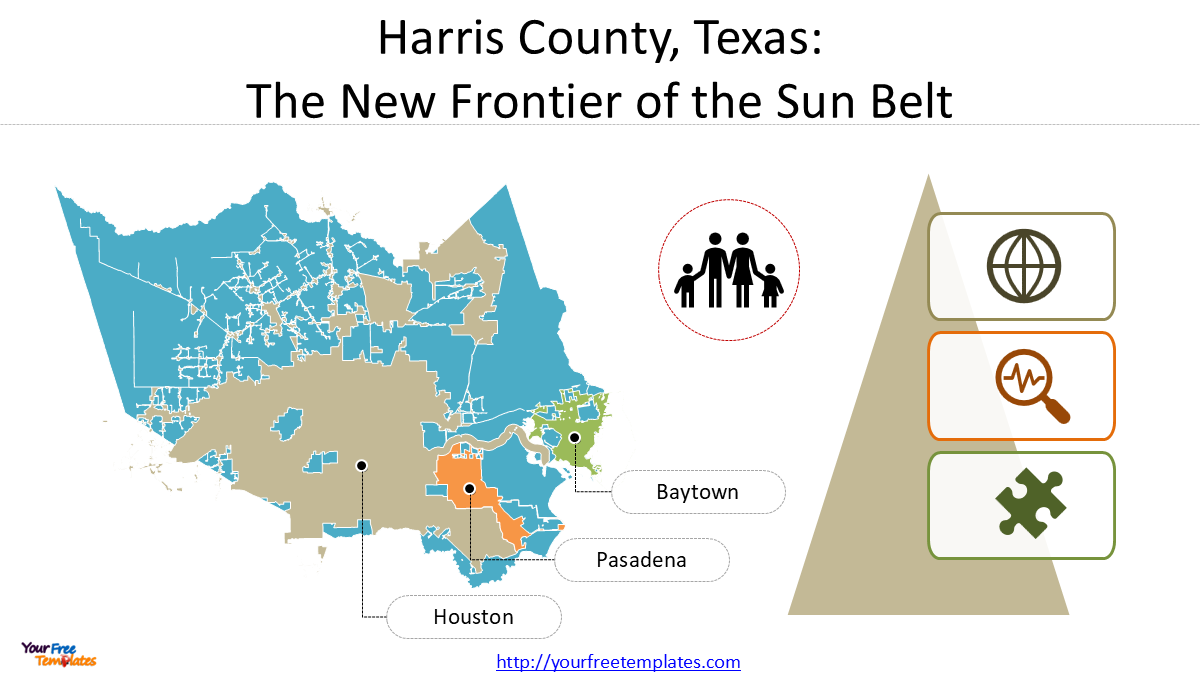
Top 3 Cities & Origins:
-
Houston: One of the most diverse cities in the world, with massive Vietnamese, Nigerian, and Indian communities.
-
Pasadena: An industrial powerhouse fueled largely by Mexican and Central American labor in the energy sector.
-
Baytown: A key logistics and refinery hub with a long history of attracting immigrant workers from Mexico and Honduras.
The “Houston Model” of Growth
“Houston works because it lets people build without asking permission,” says developer Jamal Williams. “Without restrictive zoning, immigrants in Houston can open businesses in garages, build accessory dwelling units for family, and create economic ecosystems that serve their communities directly. This isn’t immigration theory—it’s front-yard economics.”
This approach has created astonishing diversity without traditional ethnic enclaves. In the Alief neighborhood, you might find a Vietnamese phở restaurant, a Nigerian grocery store, a Pakistani clothing shop, and a Mexican taquería all on the same block—each serving multiple communities rather than just their own.
The Energy-Healthcare Nexus
Immigrants in Houston are drawn by two massive industries: energy and healthcare. The Texas Medical Center—the largest medical complex in the world—employs thousands of immigrant doctors, nurses, and researchers. Meanwhile, the energy sector attracts engineers from India, project managers from the Philippines, and skilled tradespeople from Mexico.
“I started as a hospital janitor, trained as a nurse’s aide, and now I’m studying to be a registered nurse,” says Maria Gonzalez, who arrived from Honduras a decade ago. “In Houston, they give you the ladder—you just have to be willing to climb it.”
Chicago Immigrants: The Midwest’s Reliable Anchor
While coastal cities dominate headlines, the search for Chicago immigrants reveals America’s most enduring inland gateway. Cook County has maintained its status as a top immigrant destination for over a century, proving that you don’t need oceans or sunshine to attract the world—you need opportunity and community.

Top 3 Cities & Origins:
-
Chicago: A legendary “city of neighborhoods,” from the Polish enclaves of the Northwest Side to the Mexican heart of Little Village and the Indian corridor on Devon Avenue.
-
Elgin: A suburban hub with a significant Mexican and Laotian population, showing how immigration is moving into the “collar counties.”
-
Cicero: A dense, historic town that serves as a primary port of entry for Mexican families.
The City of Neighborhoods, Literally
“Chicago works because it’s officially a city of neighborhoods, each with its own immigrant history,” says historian David Chen. “Pilsen was Czech, then Mexican. Albany Park was Jewish, then Korean and Guatemalan. Devon Avenue was Jewish, then Indian and Pakistani. Each wave builds on what came before.”
This neighborhood structure creates remarkable stability. In Cicero, what began as a Czech immigrant town transformed into a Mexican community, which now welcomes Central American and Middle Eastern families—all while maintaining the small-town feel that makes it attractive to newcomers.
The Industrial Backbone
Unlike other gateways, Chicago immigrants remain closely tied to the region’s industrial might. “You’ll find Polish machinists in advanced manufacturing, Mexican workers in food processing, and Indian engineers in logistics,” notes economist Marcus Jones. “Chicago immigrants aren’t just living here—they’re keeping the region’s economic engine running.”
This industrial connection creates pathways for those without advanced degrees. “I came from Guatemala with minimal English, got a factory job, and within five years I was a supervisor,” says Carlos Ramirez. “In Chicago, showing up and working hard in essential industries still builds careers.”
The Mega-Gateway Effect: Four Models, One Truth
Looking across these four cities, patterns emerge that define American immigration:
-
Economic Specialization: Each gateway attracts different immigrant profiles based on local industries—entertainment and tech in LA, finance and hospitality in Miami, energy and healthcare in Houston, manufacturing and logistics in Chicago.
-
The Network Effect: Successive waves create self-reinforcing systems. Established communities provide housing, capital, and cultural support that makes each new wave’s transition easier.
-
The Generational Evolution: These aren’t just arrival points but places where immigrant stories play out across generations—from grandparents who barely speak English to grandchildren who code-switch between multiple languages fluently.
-
The Policy Reality: Each faces unique challenges—visa caps affecting tech workers in LA, asylum policy fluctuations impacting Miami, refugee resettlement scaling in Houston, and infrastructure strains in Chicago.
What the Data Tells Us About America’s Future
The latest U.S. Census data reveals several critical trends:
-
The Sun Belt Shift: Houston’s growth rate outpaces traditional gateways, signaling a long-term geographic redistribution
-
The Professionalization Wave: Miami and LA are seeing increased high-skilled immigration alongside traditional labor migration
-
The Multigenerational Reality: In all four cities, nearly half of children have at least one immigrant parent
-
The Economic Contribution: Immigrant-owned businesses account for disproportionate job creation in all four metropolitan areas
In Episode 2, we’ll zoom in on a single city that contains three of America’s most immigrant-dense counties: New York. We’ll explore how Queens, Brooklyn, and the Bronx pack global diversity into the world’s most famous urban landscape.
Looking for Premium maps, please visit our affiliate site: https://editablemaps.com/ or https://ofomaps.com/
Size:473K
Type: PPTX
Episode 1:The Mega-Gateways Template
Click the link to download it.
Aspect Ratio: Widescreen 16:9
Click the green button to download it.
Download the 16:9 Template