


When people search for “immigration in Phoenix” or “Las Vegas immigrant population,” they’re uncovering one of America’s most significant demographic shifts. The latest U.S. Census data reveals a powerful trend: immigrants are bypassing traditional coastal gateways and heading straight to the booming cities of the interior Sun Belt, where affordable housing meets explosive job growth in tech, manufacturing, and hospitality.
In Episode 4 of The New American Mosaic, we explore how three desert and southern cities—Phoenix, Dallas, and Las Vegas—have transformed from domestic migration destinations into legitimate global gateways. These aren’t just growing cities; they’re becoming what demographers call “second-stage gateway cities“—places where immigrants are arriving directly from abroad, not just relocating from other U.S. cities. With foreign-born populations growing at twice the national average in these metros, they represent the new frontline of American immigration.
At the end of this post, you can download our The New York Mosaic PowerPoint template to fit your purpose. As the same diagram PowerPoint template series, you can also find our Top 12 Most Populous Countries, most dangerous cities in the US, Top 10 U.S. Cities with the Highest Violent Crime Rate, US Consolidated City County
The New American Mosaic: Mapping the 2026 Immigrant Population
- Episode 1-The Mega-Gateways, Los Angeles, Miami-Dade, and Harris County.
- Episode 2-The New York Mosaic, Queens, Brooklyn, and the Bronx.
- Episode 3-The California Powerhouses, Orange, San Diego, and Riverside.
Immigration in Phoenix: The Silicon Desert’s Global Workforce
Search “immigration in Phoenix” today, and you’ll find a story that’s moved far beyond retirees and winter visitors. Phoenix’s Maricopa County has become what economic developers call “the Silicon Desert“—a manufacturing and tech hub that’s drawing global talent for massive semiconductor projects.
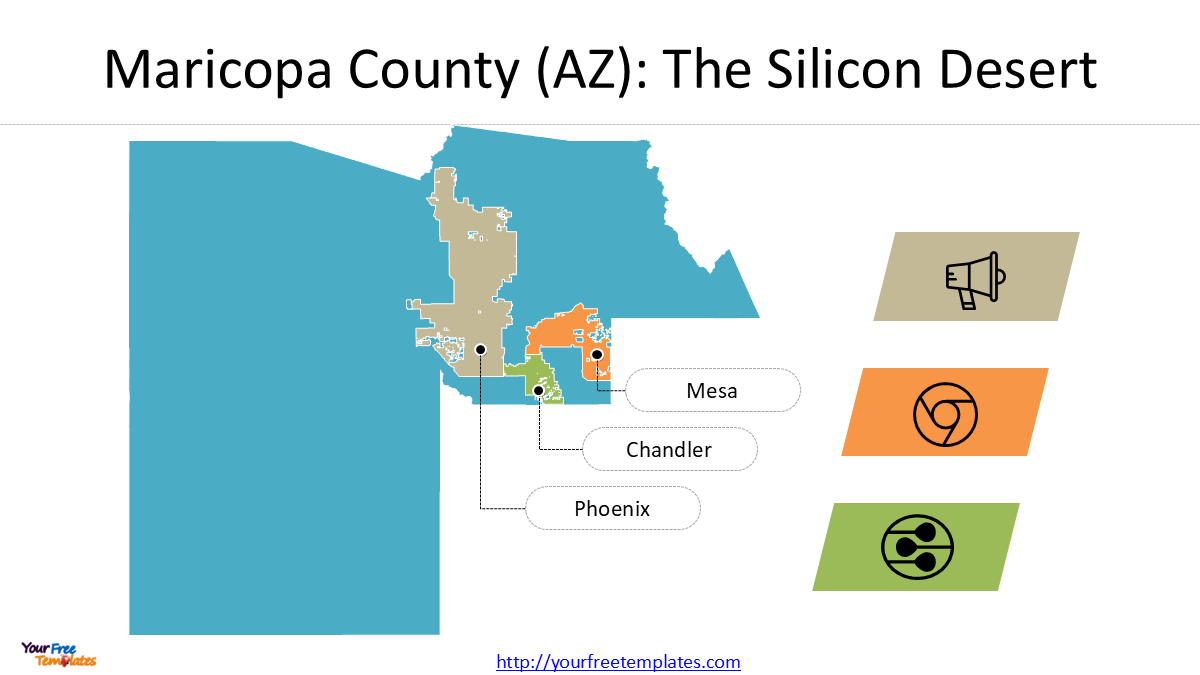
Top 3 Cities & Origins:
-
Phoenix: A massive hub for Mexican and Central American communities, increasingly supported by new “Arrival Zones” designed to integrate workers into the construction and service sectors.
-
Chandler: A primary destination for Indian and Chinese STEM professionals, fueled by the massive expansion of the semiconductor industry.
-
Mesa: Home to a growing Southeast Asian population, particularly from Vietnam and the Philippines.
The Semiconductor Boom Creating Thousands of Jobs
“When TSMC announced their $65 billion plant, my LinkedIn blew up with messages from engineers in Taiwan, India, and South Korea,” says recruitment specialist Lisa Chen. “Suddenly, Phoenix immigration wasn’t about hospitality jobs—it was about high-tech visas and six-figure salaries for specialized engineers.”
This shift is visible across the valley. In Chandler, you’ll find apartment complexes where signs are in both English and Mandarin, catering to TSMC families. In Mesa, Vietnamese grocery stores have expanded to include Filipino and Indian sections as the tech workforce diversifies. The foreign-born population in these suburbs has grown over 40% since 2020, creating what urban planners call “instant international communities.”
The Construction Paradox
While high-tech jobs grab headlines, Phoenix’s growth depends on another immigrant stream. “Every new semiconductor plant needs 5,000 construction workers to build it,” notes union representative Carlos Mendez. “Those workers come primarily from Mexico and Central America, creating a dual-track immigration system: highly educated Asians in tech, and essential workers from Latin America in construction and services.”
Immigration in Dallas: Where Corporate HQs Meet Global Talent
Search “Dallas immigration trends” and you’ll discover a metropolitan area that’s become what economists call “the corporate heartland“—a place where Fortune 500 relocations are driving demand for a multilingual, highly educated workforce.
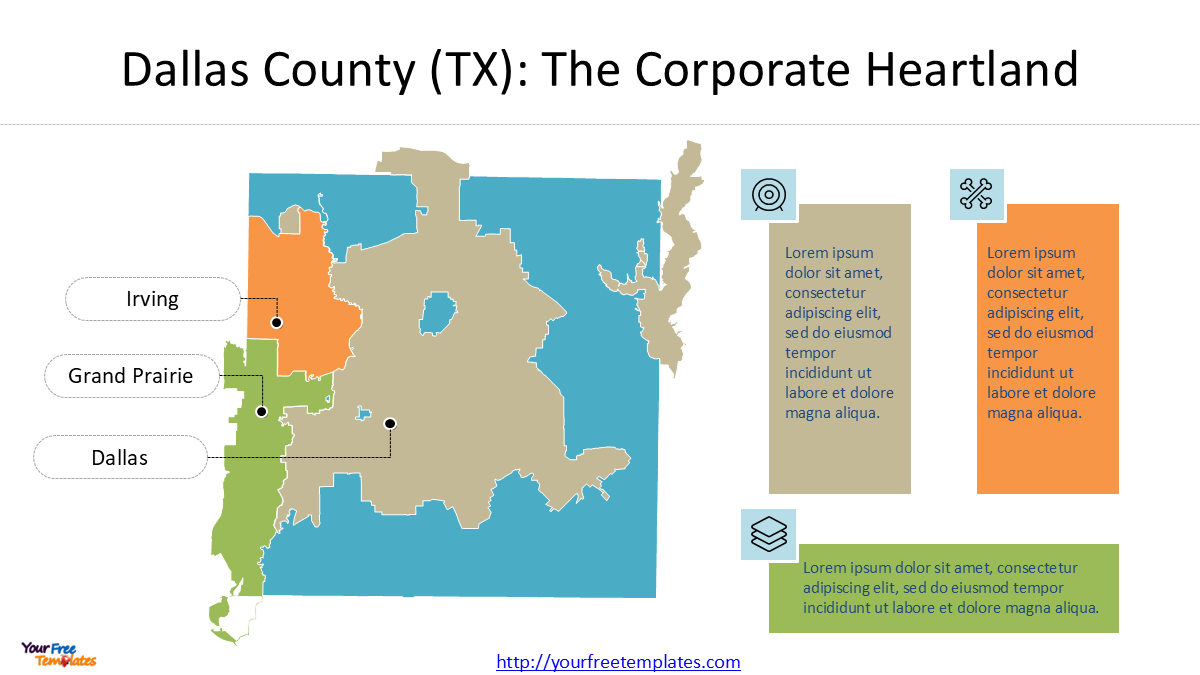
Top 3 Cities & Origins:
-
Dallas: Remains a primary anchor for Mexican (55% of the foreign-born) and Salvadoran residents, who are the backbone of the city’s construction and logistics industries.
-
Irving: A globalized suburb where Indian and Pakistani professionals dominate the tech and telecommunications sectors.
-
Grand Prairie: A rising destination for Vietnamese and African (particularly Nigerian and Ethiopian) families seeking suburban urban development opportunities.
The Headquarters Effect
“When a company like Toyota or Charles Schwab moves their headquarters here, they don’t just bring executives—they bring entire global teams,” explains relocation expert Maria Gonzalez. “Dallas immigration now means Indian tech managers, Brazilian finance directors, and Korean engineers arriving together, creating instant diversity in suburban office parks.”
This corporate-driven migration has reshaped the metro’s geography. While Dallas proper remains heavily Mexican and Central American, suburbs like Irving and Plano have become majority-immigrant professional enclaves. In some apartment complexes in Irving’s “Telecom Corridor,” you’re more likely to hear Telugu or Mandarin than English in the elevators during evening rush hour.
The Youth Advantage
What makes Dallas unique in immigration statistics is its demographic profile. “Immigrants here are younger—median age 31 versus 38 for U.S.-born residents,” notes demographer David Kim. “This gives us what we call a ‘youth boost‘—more workers, more entrepreneurs, more families buying homes and filling schools. It’s a economic stimulus package that arrives naturally.”
Las Vegas Immigrant Population: Beyond the Casino Floor
Search “Las Vegas immigrant population” and you’ll find a story that defies stereotypes. While the Strip still employs thousands of immigrants, today’s arrivals are building careers far beyond hospitality in what’s becoming a surprisingly diversified economy.
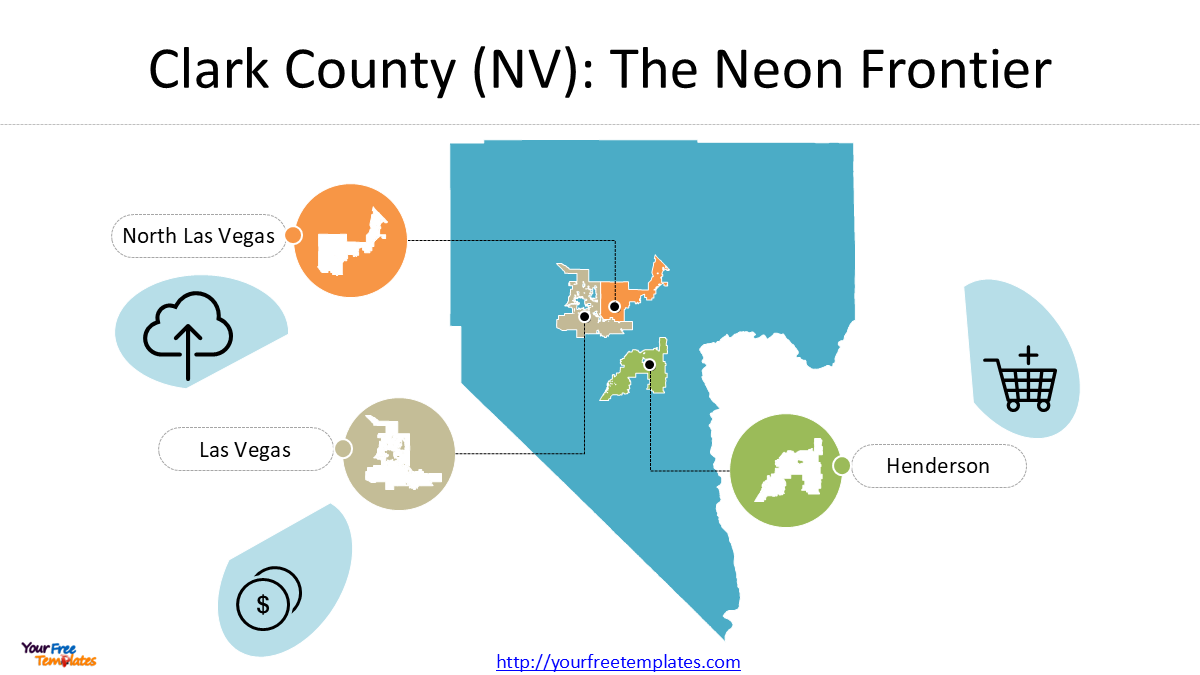
Top 3 Cities & Origins:
-
Las Vegas: The epicenter of Mexican and Filipino migration, with these groups making up the majority of the hospitality and healthcare workforce.
-
Henderson: A rapidly growing area for Chinese and South American (notably Venezuelan and Colombian) arrivals seeking safety and professional opportunities.
-
North Las Vegas: A hub for Central American and Ethiopian communities, driving local small-business growth and retail development.
The Filipino Healthcare Pipeline
Walk through any major Las Vegas hospital, and you’ll understand one of the city’s key immigration stories. “We recruit directly from nursing schools in Manila,” says healthcare recruiter Elena Santos. “The Las Vegas immigrant population in healthcare is about 35% Filipino, creating a pipeline that keeps our medical system running 24/7.”
This professional migration creates community infrastructure. In neighborhoods like Spring Valley, you’ll find Filipino restaurants next to medical staffing agencies, with churches offering Tagalog services that double as networking hubs for new arrivals.
The Venezuelan Entrepreneurial Wave
Recent years have brought another unexpected group. “Since 2020, we’ve seen thousands of Venezuelan professionals arrive—doctors, engineers, business owners,” says community organizer Rafael Torres. “Many can’t practice their original professions due to licensing, so they’re opening restaurants, import businesses, and tech startups instead.”
This has transformed areas like Southwest Las Vegas, where Venezuelan areperias sit beside Mexican taquerias, creating what locals call “the Latin American food corridor.” The entrepreneurial rate among recent Venezuelan arrivals is over 25%, creating jobs and revitalizing commercial districts.
Sun Belt Immigration: The Common Threads
Looking across Phoenix, Dallas, and Las Vegas, clear patterns emerge in what analysts call “Sun Belt immigration“:
-
Affordability as a Gateway Feature
“The math is simple,” says housing economist Michael Chen. “An engineer from California can buy twice the house in Phoenix for the same price. A nurse from New York can afford a new construction home in Las Vegas. This affordability advantage isn’t just attracting Americans—it’s attracting global talent making location decisions.” -
The Industry Specialization Model
Each city has developed distinct immigrant niches:-
Phoenix: Semiconductors and advanced manufacturing
-
Dallas: Corporate headquarters and telecommunications
-
Las Vegas: Healthcare and hospitality management
-
-
The Two-Track Immigration System
Each metro attracts both highly educated professionals on work visas and essential workers in construction, healthcare, and services. These groups often live in different neighborhoods but depend on each other—the tech worker needs the immigrant-built house, and the construction worker needs the immigrant doctor.
2024 Trends: What’s Changing Now
As we look at current data, several developments are reshaping these gateways:
The Climate Migration Factor
“Phoenix is seeing a new trend—immigrants from climate-vulnerable countries who understand desert living,” notes environmental researcher Anika Patel. “We’re getting agricultural specialists from drought-affected regions of Mexico and Central America who bring water conservation knowledge.”
The Remote Work Revolution’s Second Act
“Dallas is attracting ‘international remote workers’—people employed by European or Asian companies who choose Texas for lifestyle and tax reasons,” says tech analyst Jamal Williams. “They’re not counted in local employment stats but contribute significantly to the economy.”
The Las Vegas Diversification
“Beyond healthcare, Vegas is drawing immigrant entrepreneurs in green energy and logistics,” says economic developer Sofia Ramirez. “The same sun that attracts tourists is now attracting solar energy startups from Germany and Israel.”
The Future of Interior Gateways
These cities face unique challenges as they mature as immigration destinations:
-
Phoenix must balance water scarcity with continued growth
-
Dallas needs to expand infrastructure to handle suburban density
-
Las Vegas requires more diverse housing options beyond hospitality-worker apartments
In Episode 5, we’ll head to the coastal innovation corridors, examining how traditional tech hubs like Seattle’s King County and Silicon Valley’s Santa Clara County continue to evolve their immigrant ecosystems amidst fierce competition from these rising Sun Belt cities.
Looking for Premium maps, please visit our affiliate site: https://editablemaps.com/ or https://ofomaps.com/
Size:222K
Type: PPTX
Episode 4: The Desert & Sun Belt Dynamos Template
Click the link to download it.
Aspect Ratio: Widescreen 16:9
Click the green button to download it.
Download the 16:9 Template