

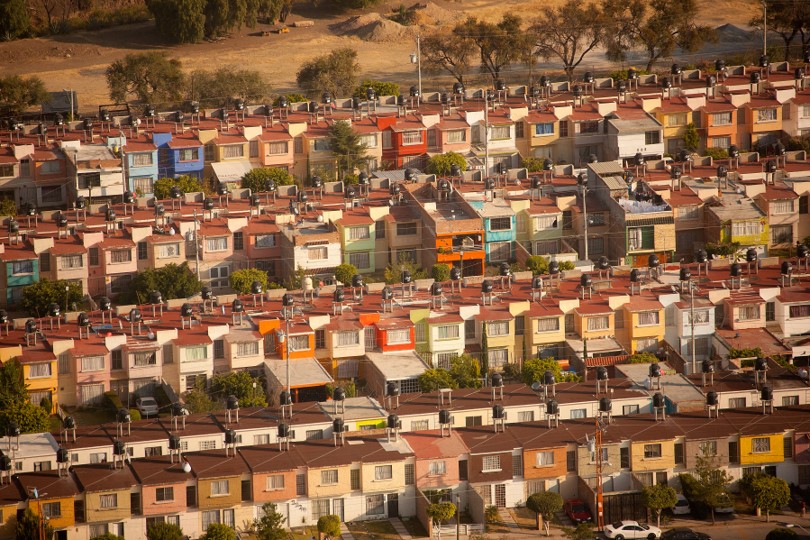
The narrative of American immigration has moved decisively beyond the iconic urban gateway. Today, the story is increasingly suburban, driven by Broward County immigrants in Florida, San Bernardino County immigrants in California, and Middlesex County MA immigrants in New England. These counties represent a powerful new trend: the foreign-born population is no longer just flowing into major city centers, but is actively building prosperous, culturally rich lives in the nation’s suburban heartland. This shift is redefining community, economy, and identity from the ground up.
In this final episode of The New American Mosaic, we examine how these three distinct regions have become unexpected powerhouses of immigrant growth. From Haitian professionals anchoring Broward County’s healthcare sector to the Mexican and Central American workforce that is the literal engine of San Bernardino County’s logistics empire, and the international scholars and families putting down permanent roots in Middlesex County, we see a clear blueprint for America’s demographic future. This is not a story of isolated enclaves, but of successful integration that is transforming the very fabric of suburban America.
At the end of this post, you can download our The New York Mosaic PowerPoint template to fit your purpose. As the same diagram PowerPoint template series, you can also find our Top 12 Most Populous Countries, most dangerous cities in the US, Top 10 U.S. Cities with the Highest Violent Crime Rate, US Consolidated City County
The New American Mosaic: Mapping the 2026 Immigrant Population
- Episode 1-The Mega-Gateways, Los Angeles, Miami-Dade, and Harris County.
- Episode 2-The New York Mosaic, Queens, Brooklyn, and the Bronx.
- Episode 3-The California Powerhouses, Orange, San Diego, and Riverside.
- Episode 4-The Desert & Sun Belt Dynamos, Phoenix, Dallas, and Las Vegas.
- Episode 5-The Innovation Corridors, Santa Clara County (Silicon Valley), King County (Seattle), and Fairfax County (Northern Virginia).
Broward County Immigrants: Florida’s Next-Generation Gateway
Search for “immigrants in Broward County” today, and you’ll find a region that’s quietly become one of America’s most important immigrant success stories. With 36% of its population foreign-born, Broward has evolved from Miami’s sleepy northern neighbor into a thriving international hub in its own right.
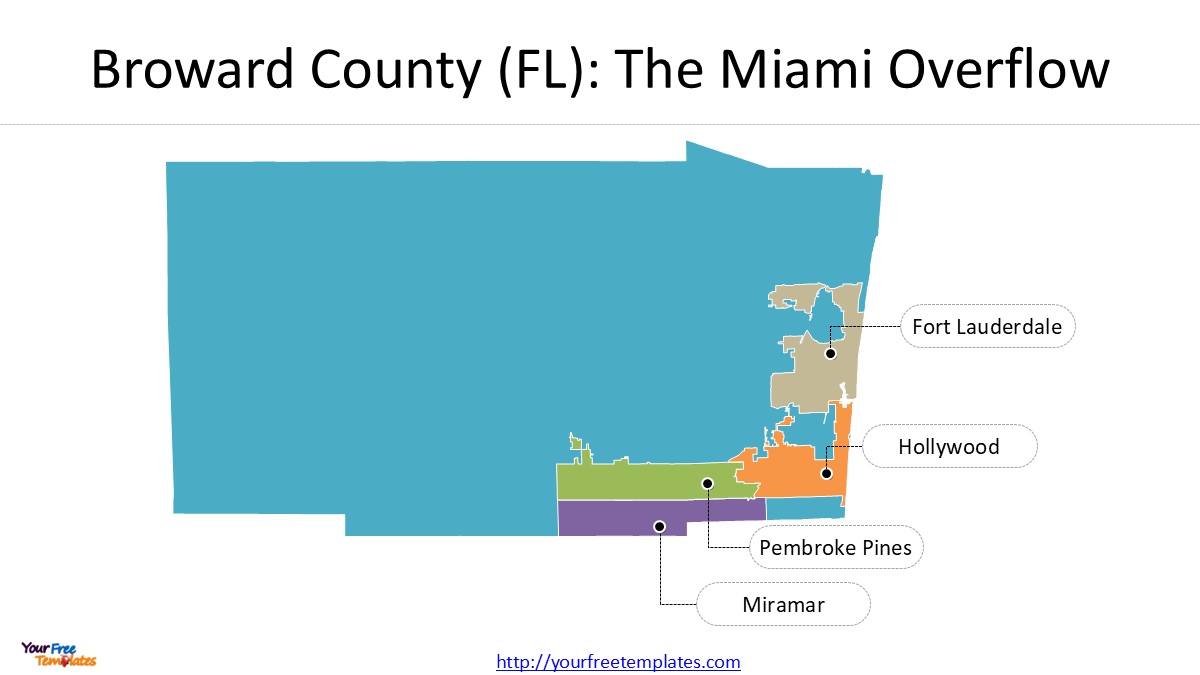
Top 3 Cities & Origins:
-
Fort Lauderdale: A hub for Haitian and Jamaican communities that drive the maritime and tourism sectors.
-
Pembroke Pines/Miramar: The new heart of the Venezuelan and Colombian middle class, often referred to as “Weston-zuela” nearby.
-
Hollywood: A diverse mosaic of Cuban and Russian residents.
Fort Lauderdale’s Haitian Transformation
“Twenty years ago, newly arrived Haitians went straight to Miami,” says community organizer Jean Baptiste. “Today, they’re buying their first homes in Fort Lauderdale, opening businesses along Sunrise Boulevard, and becoming nurses, teachers, and small business owners who anchor entire neighborhoods. The Haitian community here isn’t just surviving—it’s building generational wealth.”
This transformation is visible in places like Lauderhill, where Haitian-owned supermarkets stock Caribbean staples like diri kole (rice and beans) and pikliz (spicy pickled vegetables), while next door, immigration lawyers help new arrivals navigate paperwork. The community’s growth has been so significant that the county school system now employs Creole-speaking liaisons and celebrates Haitian Flag Day alongside traditional American holidays.
The “Weston-zuela” Phenomenon and Beyond
Drive through western Broward’s suburbs, and you’ll encounter what locals half-jokingly call “Weston-zuela“—though the reality is more nuanced. “Yes, we’ve seen thousands of Venezuelan families arrive since their country’s crisis began,” explains realtor Maria Fernandez. “But we’ve also welcomed Colombians, Argentinians, and Nicaraguans creating a professional Latin American middle class. They’re not just escaping something—they’re building something: medical practices, tech consultancies, and restaurants that become community gathering places.”
San Bernardino County Immigrants: The Backbone of American Commerce
When people search for “San Bernardino County immigrant communities,” they’re usually looking for economic opportunity. As the heart of Southern California’s Inland Empire, this county has become America’s distribution capital—and its immigrant workforce keeps the nation’s supply chains moving.
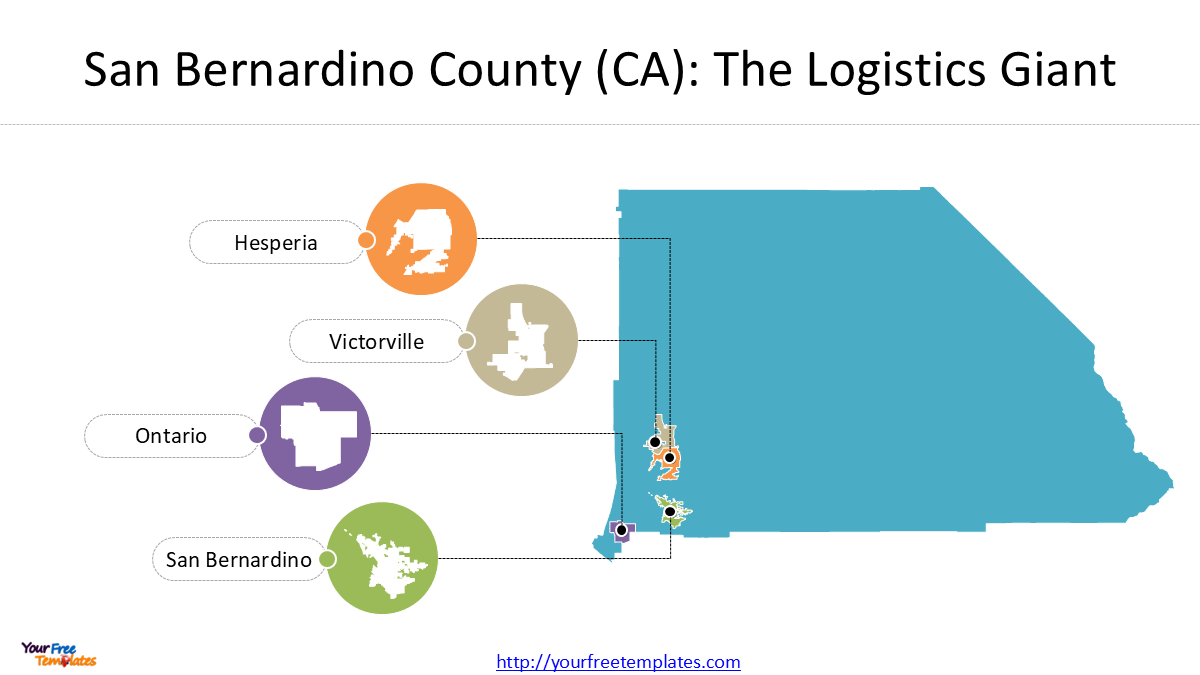
Top 3 Cities & Origins:
-
Ontario: A major transit hub where Mexican and Central American residents lead the logistics and warehousing workforce.
-
San Bernardino (City): A historic core with a deeply rooted Mexican and Guatemalan entrepreneurial class.
-
Victorville/Hesperia: The “high desert” frontier where immigrant families are finding affordable urban development and first-time homeownership.
Ontario: Where America’s Packages Meet America’s Newcomers
“Every time you click ‘buy now’ online, there’s a good chance your order passes through Ontario,” says warehouse supervisor Carlos Mendez. “And behind every scanner and forklift, you’ll find Mexican and Central American workers who’ve turned steady logistics jobs into down payments on homes and college funds for their kids. These logistics jobs in San Bernardino aren’t just work—they’re ladders into the middle class.”
The scale is staggering: Over 53% of San Bernardino County’s population is Hispanic, with thousands employed in the massive Amazon, Target, and FedEx complexes that stretch for miles. This concentration has created what economists call “warehouse-to-wealth neighborhoods“—areas where reliable warehouse wages at $22-$28 an hour have enabled first-generation immigrants to build equity and community institutions.
Victorville’s High Desert Frontier
Further north in Victorville, a different kind of immigrant story is unfolding. “We’re seeing families who’ve been priced out of Los Angeles and Orange County,” says housing advocate Sofia Ramirez. “They’re trading brutal commutes for new homes with backyards where their children can play. The San Bernardino immigrant communities up here are building bilingual suburban lives, complete with quinceañera venues next to soccer fields and Mexican bakeries in strip malls.”
Alameda (CA) & Montgomery (MD): The Affluent Melting Pots
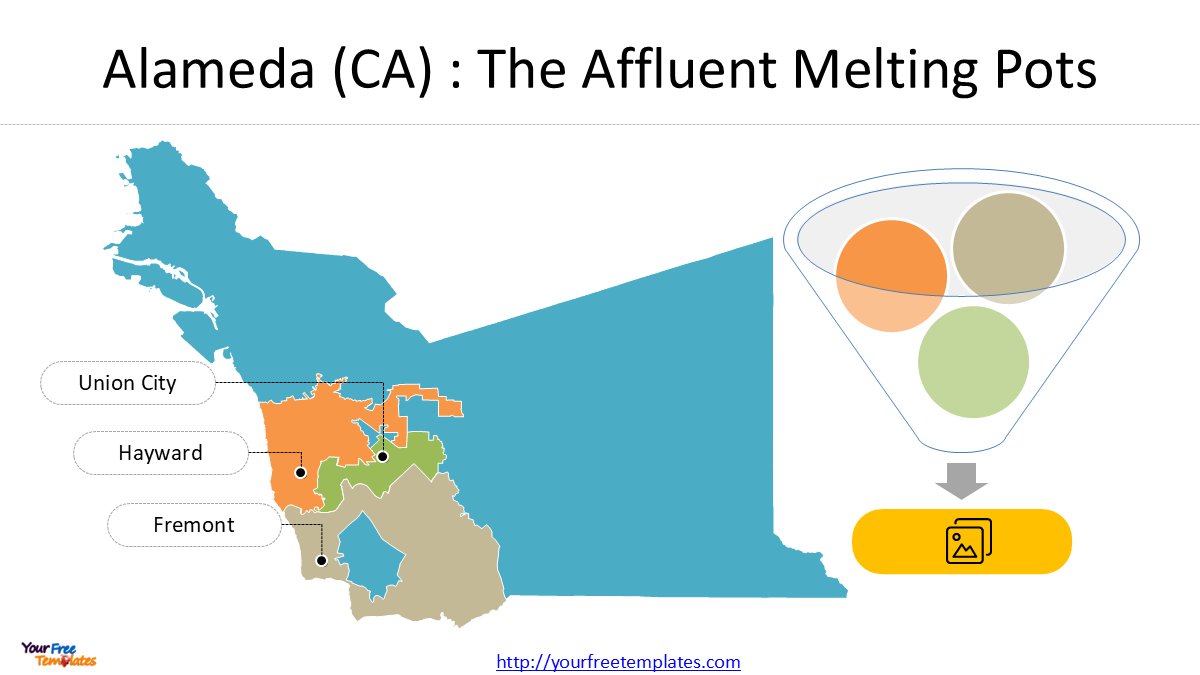
Alameda’s immigrant landscape has shifted significantly over the last decade, with the “Tri-City” area (Fremont, Newark, Union City) now hosting some of the highest concentrations of Asian and Middle Eastern immigrants in the United States.
| City | Immigrant % | Primary Origins | Cultural Flavor |
| Union City | ~47% | Philippines, China, India, Mexico | A massive Filipino hub; known for the “Gateway” retail centers and deep roots in the Tagalog-speaking community. |
| Fremont | ~43% | India, China, Afghanistan, Philippines | Home to “Little Kabul,” the largest Afghan community in the U.S., and a dominant hub for South Asian tech professionals. |
| Hayward | ~42% | Mexico, Philippines, China, Vietnam | A diverse working-class anchor where the Hispanic/Latino community is the largest demographic group. |
-
Note on Oakland: While Oakland has the highest total number of immigrants in the county (over 118,000), its foreign-born percentage (~28%) is lower than the suburban enclaves mentioned above due to its large U.S.-born population.
Montgomery County is unique for its “hyper-diversity”—it is one of the few places in America where no single ethnic group holds a majority, and it is a primary destination for the Ethiopian and Salvadoran diasporas.
| City/CDP | Immigrant % | Primary Origins | Cultural Flavor |
| Gaithersburg | ~42% | El Salvador, China, India, Ethiopia | A global tech and biotech hub; the city’s east side is a vibrant tapestry of Central American and Asian commerce. |
| Germantown | ~39% | India, El Salvador, China, Nigeria | A high-growth corridor with a massive African and Asian professional class; extremely high linguistic diversity. |
| Silver Spring | ~33% | Ethiopia, El Salvador, Nigeria, India | Famous for its “Little Ethiopia” district; it serves as the cultural and transit heart for the region’s African and Latin |
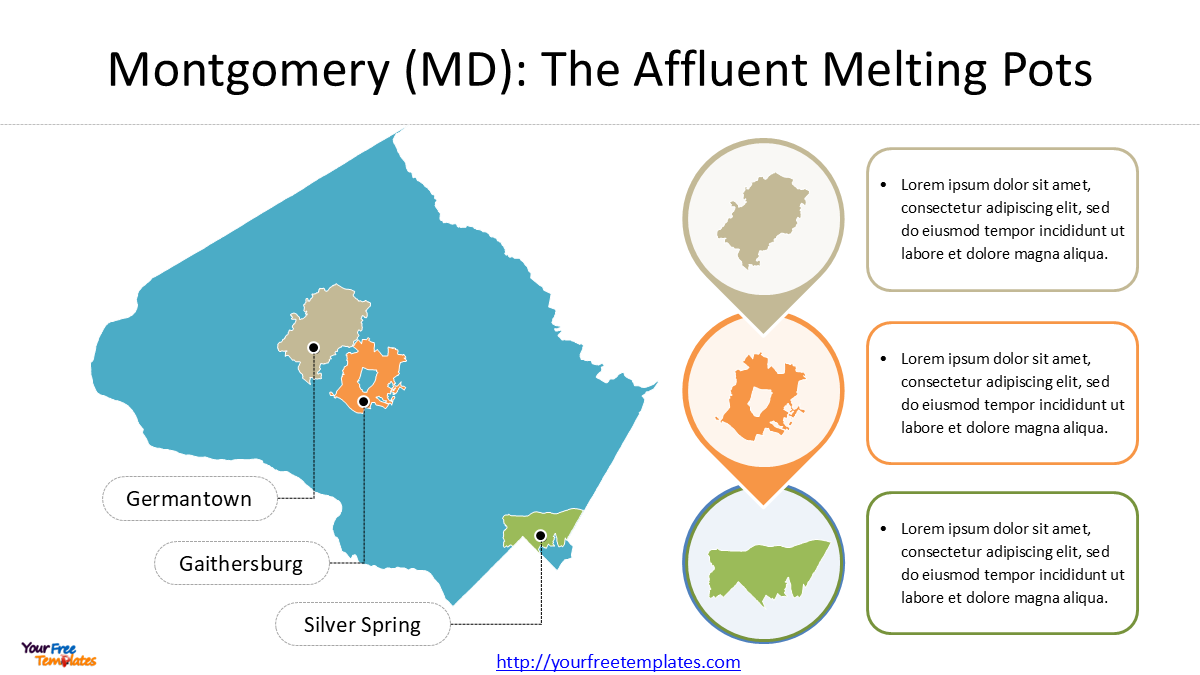
- The Driving Forces: Both counties serve as “secondary tech hubs” for neighboring San Francisco and D.C. They represent the peak of immigrant urban development, where global talent meets established American infrastructure.
Middlesex County MA Immigrants: America’s Brainpower Suburbs
Search “Middlesex County immigrants” and you’ll find the nation’s most educated foreign-born population. Home to Harvard, MIT, and biotech giants like Moderna, this county doesn’t just attract the world’s brightest minds—it convinces them to stay and build lives between Boston’s academic powerhouses.
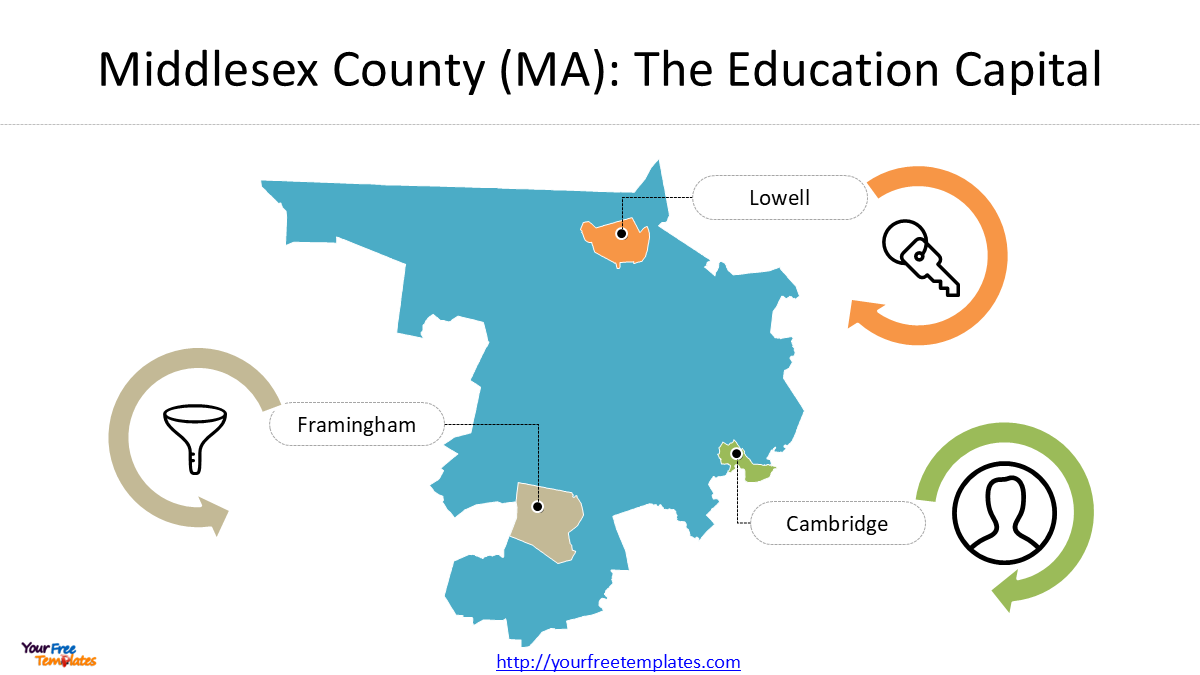
Top 3 Cities & Origins:
-
Cambridge: A global magnet for Chinese and Indian scholars and researchers tied to Harvard and MIT.
-
Lowell: Home to a legendary Cambodian community that has revitalized the city’s textile-mill history into a modern cultural destination.
-
Framingham: A thriving hub for the Brazilian diaspora, particularly in the construction and small business sectors.
Cambridge: Where Global Ideas Take Root
Walk through Kendall Square any afternoon, and you’ll overhear conversations in Mandarin about machine learning, Hindi discussions of drug discovery, and French debates about climate tech. “The international students at Harvard and MIT used to get degrees and leave,” says innovation economist Dr. Lena Chen. “Now they’re staying to launch startups, lead labs, and create ‘intellectual neighborhoods’ where breakthrough ideas happen over bubble tea or dosas.”
This brainpower concentration has tangible effects. In neighborhoods like East Cambridge, you’ll find Chinese scientists, Indian AI researchers, and European biotech entrepreneurs living in the same apartment buildings, their children attending the same schools, creating what demographers call “the innovation cradle“—environments where next-generation discoveries are as likely to come from playground conversations as lab meetings.
Lowell’s Cambodian Renaissance
Beyond the ivory tower, Middlesex County tells other profound immigrant stories. In Lowell, the Cambodian community has achieved something remarkable: transforming a declining mill town into a national model of refugee success. “Our parents arrived with nothing after the Khmer Rouge,” says city councilor Sokhary Chau. “Today, we have Cambodian-American doctors at Lowell General Hospital, teachers in our schools, and artists turning old factories into cultural centers. We didn’t just rebuild our lives—we helped rebuild our city.”
Framingham’s Brazilian Heart
Meanwhile, Framingham’s Brazilian community has created New England’s most vibrant “Little Brazil,” where Portuguese is the language of commerce and community. “We came for construction jobs in the 90s,” says business owner Ana Silva. “Now we own those construction companies, plus restaurants, supermarkets, and dental practices. Our children study at Framingham State University. This isn’t a temporary stop—it’s home.”
The Big Picture: What These Suburbs Tell Us About America’s Future
As we complete our six-part journey through The New American Mosaic, several undeniable patterns emerge from the data across all 20 counties:
1. The Suburban Tipping Point
The 2024 numbers confirm it: America’s suburbs are now majority-minority or rapidly approaching it. Places like Broward, San Bernardino, and Middlesex aren’t exceptions—they’re prototypes of the 21st-century American community, where diversity isn’t added but built-in from the beginning.
2. Economic Integration as the Engine
What we’ve seen repeatedly is simple: when immigrants find economic footing—whether in Broward’s healthcare sector, San Bernardino’s logistics industry, or Middlesex’s innovation economy—they become community pillars. They open businesses that employ neighbors, buy homes that stabilize neighborhoods, and send children to schools that become more globally aware.
3. The Second-Generation Surge
Perhaps the most hopeful finding: in nearly every county we’ve studied, about half of all children have at least one immigrant parent. The Americans who will lead in 2040 are already here—growing up bilingual, navigating multiple cultures with ease, and preparing to bring this sophisticated global perspective to every field from medicine to art to government.
Final Thought: The Mosaic Is Complete
The American mosaic isn’t a future project—it’s our present reality, living in suburban homes from Fort Lauderdale to Ontario to Cambridge. For six episodes, we’ve traced how immigrants from Vietnam and Venezuela, India and Ethiopia, Mexico and Haiti aren’t just changing America—they’re becoming America, rebuilding its suburbs, revitalizing its economy, and raising its next generation.
The story that began in the mega-gateways of Episode 1 completes here, in suburbs where the world’s cultures are creating something new: not a melting pot where differences disappear, but a mosaic where each piece retains its distinctive beauty while contributing to a more vibrant, resilient, and dynamic whole.
This is The New American Mosaic—already here, already thriving, already home.
Series Final Conversation Starter:
Looking back across all six episodes, which immigrant story changed your perspective the most? How do you see these national patterns creating new opportunities—and challenges—in your own community? What do you think the next decade of American immigration will bring?
Sources: U.S. Census Bureau 2024 American Community Survey, Brookings Institution research on suburban diversity, county economic development reports, and longitudinal studies of immigrant integration.
Looking for Premium maps, please visit our affiliate site: https://editablemaps.com/ or https://ofomaps.com/
Size:222K
Type: PPTX
Episode 6: The Suburban Frontiers & Series Wrap-Up Template
Click the link to download it.
Aspect Ratio: Widescreen 16:9
Click the green button to download it.
Download the 16:9 Template