

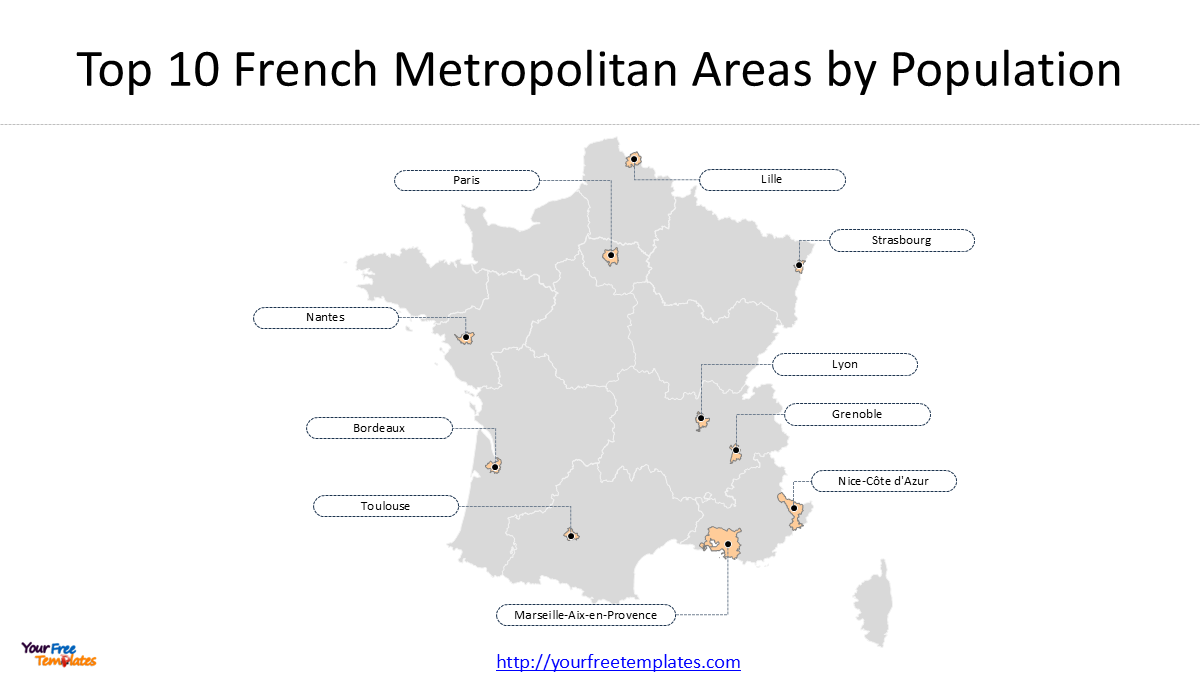
When analyzing the Top 10 Largest Metropolitan Areas in France: Population Ranking & Regional Breakdown, it becomes evident that understanding French urban geography requires looking beyond individual city limits (communes) to encompass the wider functional urban areas where people live, work, and commute. As France’s population reached approximately 66.8 million in metropolitan France in 2026, with 83% of the population living in urban areas, these metropolitan regions represent the true engines of the French economy .
Unlike the previous post that examined commune-level city limits, metropolitan areas capture the full scale of French urban agglomerations—including suburbs, commuter towns, and economically integrated zones. Below, we rank France’s ten largest metropolitan areas by population, exploring their regional context, demographic scale, and distinctive economic specializations.
To help you visualize this data, we have created an 11-slide PowerPoint deck featuring the national map of France with all ten métropole-level boundaries highlighted on slide 1, followed by individual enlarged metropolitan area maps for each region on slides 2 through 11.
You can check our largest cities series as below.
- Top 10 Largest Cities in France
- Top 10 Largest Cities in Netherlands
- Top largest cities in UK
- Top largest cities in Germany
- Top largest cities in US
- Top largest cities in Canada
- Top largest cities in Australia
Understanding French Metropolitan Areas: Beyond Commune Boundaries
Before diving into the rankings, it is essential to understand what a “metropolitan area” means in the French context. France’s statistical system, managed by INSEE (National Institute of Statistics and Economic Studies), defines functional urban areas (aires d’attraction des villes) based on commuting patterns and economic integration rather than administrative boundaries . A metropolitan area includes:
-
Core city (commune centre): The densely populated urban center with at least 1,500 inhabitants per square kilometer
-
Suburban ring (couronne périurbaine): Surrounding communes where at least 40% of the working population commutes to the core city for employment
-
Exurban zone: More distant communes economically dependent on the urban core
This definition, revised in 2020, better captures the reality of modern French urban life, where millions of residents live outside city limits but remain economically tethered to the urban core .
Our accompanying PowerPoint slides use shapefile data for functional urban areas, allowing you to present integrated regional economic zones rather than fragmented municipal boundaries.
The French Urban Hierarchy: Primacy and Polycentrism
Unlike the polycentric Netherlands, France exhibits a classic primate city structure dominated by Paris. The Paris metropolitan area is disproportionately large compared to all other French cities—a phenomenon known as “hypertrophy” . As one logistics analysis notes, “Paris, with a population of 12.5 million consumers, is one of Europe’s largest logistics markets” and “accounts for one-third of France’s total GDP” . This concentration reflects centuries of political, economic, and cultural centralization.
However, since the post-war era, France has actively pursued decentralization policies to balance territorial development. The 1982 Defferre laws transferred significant powers from the state to regional and departmental authorities, while subsequent reforms created metropolitan authorities (métropoles) with enhanced governance capacities for major cities like Lyon, Marseille, and Bordeaux. Despite these efforts, Paris remains dominant, though secondary metropolitan areas such as Lyon, Marseille, Toulouse, and Lille have developed distinctive economic specializations that make them globally competitive in their own right.
The Ranking: Top 10 Largest Metropolitan Areas in France by Population
All population figures are based on functional urban area (aire d’attraction) definitions from the most recent INSEE data and other authoritative sources.
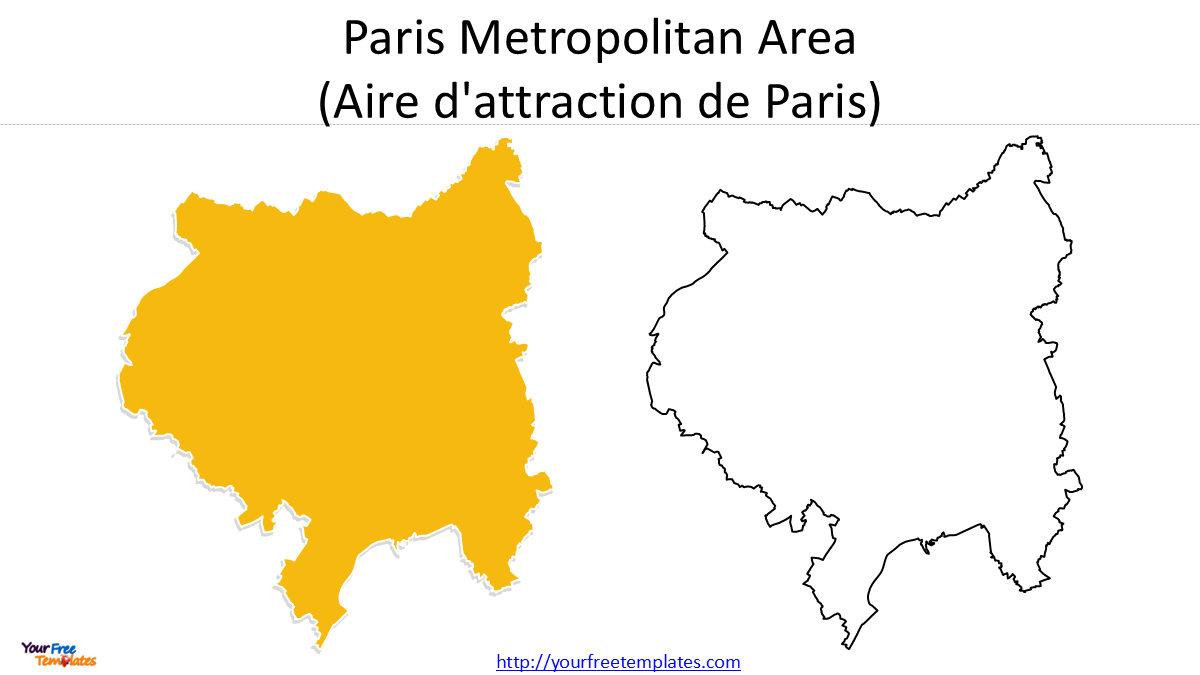
1. Paris Metropolitan Area (Aire d’attraction de Paris)
Population (Metropolitan Area): Approximately 12,500,000 – 13,000,000
Core City: Paris
Region: Île-de-France
The Paris metropolitan area is the largest functional urban region in the European Union and, since Brexit, the leading metropolitan economy in Europe . With more than 12 million inhabitants, Île-de-France forms a major urban area around Paris, generating nearly 30% of French GDP—approximately €726 billion in 2018—and employing 6.5 million workers across 1.38 million businesses .
Economic Profile & Industry Strengths:
-
Financial & Corporate Services: La Défense is the largest business district in continental Europe, hosting the headquarters of major corporations including TotalEnergies, LVMH, BNP Paribas, Société Générale, and AXA. The Paris region is a global center for banking, insurance, and professional services.
-
Technology & Innovation: The Paris Region invests almost €20 billion annually in R&D, making it Europe’s leading region for research and development spending . Iconic innovation hubs include Station F (the world’s largest startup campus) and the Paris-Saclay campus (a cluster of universities and research centers that has produced numerous French Tech unicorns).
-
Tourism & Luxury: The Paris Region is the world’s leading tourist destination. In 2019, the region welcomed 50 million visitors, generating €21.7 billion in economic benefits and supporting over 300,000 jobs. The 2024 Olympic Games further enhanced the region’s global profile .
-
Logistics & Distribution: As one of Europe’s largest logistics markets, the Paris Region is a crossroads for goods and services, served by Charles de Gaulle Airport (Europe’s second-busiest cargo airport), Orly Airport, the Rungis wholesale market (the world’s largest fresh food market), and extensive rail and road networks.
-
Public Administration & Diplomacy: As the national capital, Paris concentrates French government ministries, parliamentary institutions, constitutional courts, and nearly all foreign embassies and international organizations (OECD, UNESCO, etc.).
-
Geothermal & Energy Innovation: Île-de-France has become the world’s leading region in terms of urban geothermal density, with dozens of heating networks providing clean, local energy to one million residents .
The region is currently implementing its Regional Economic Development, Innovation and Internationalisation Plan (SRDEII 2022-2028), titled “Stratégie #Leader,” which focuses on establishing the Paris Region as one of the world’s most attractive and competitive economic areas .
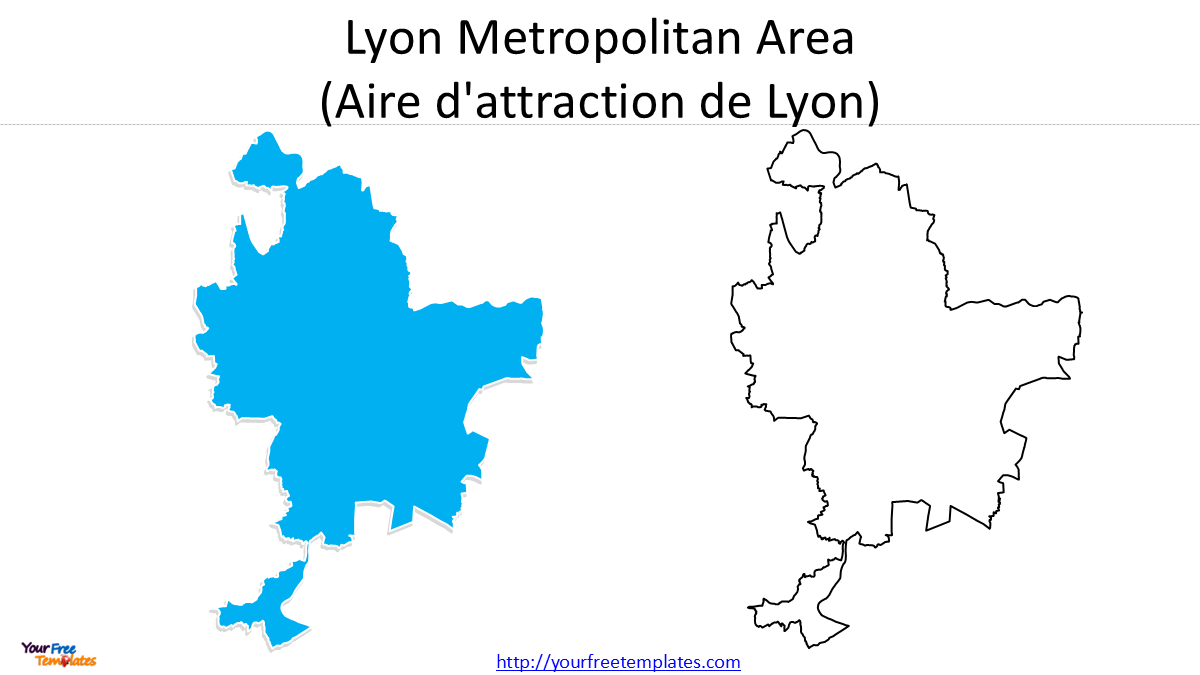
2. Lyon Metropolitan Area (Aire d’attraction de Lyon)
Population (Metropolitan Area): Approximately 2,300,000
Core City: Lyon
Region: Auvergne-Rhône-Alpes
The Lyon metropolitan area is the second-largest functional urban region in France and the third-largest city by commune population . Worldometer ranks Lyon as France’s second-largest urban area with approximately 1,202,985 inhabitants within the urban core, but the functional metropolitan area expands to 2.2 million, making it France’s third-largest metropolitan region after Paris and Marseille . The region is Europe’s fifth-largest economy in terms of total GDP .
Economic Profile & Industry Strengths:
-
Life Sciences & Biotech: Lyon is home to Lyonbiopôle, one of Europe’s leading clusters for infectious disease research, vaccine development, and diagnostic manufacturing. The region specializes in personalized medicine, oncology, neurology, and 3D bioprinting.
-
Chemicals & Materials: The “chemical valley” south of Lyon produces specialty chemicals, plastics, and pharmaceutical ingredients, forming a critical link in Europe’s chemical supply chain.
-
Banking & Insurance: Crédit Lyonnais (now LCL) and numerous regional banks are headquartered in Lyon, which historically served as France’s banking capital.
-
Gastronomy & Culinary Arts: Lyon is considered France’s culinary capital, with over 4,000 restaurants and the renowned Bocuse d’Or international culinary competition.
-
Digital & Gaming: The city has a growing video game and visual effects sector, with studios like Eden Games and Ivory Tower.
-
Logistics & Transport: Lyon’s strategic position at the confluence of the Rhône and Saône rivers, combined with its high-speed rail (TGV) connections to Paris, Marseille, and Geneva, makes it a critical European logistics hub.
Lyon’s metropolitan governance is particularly advanced, with the Métropole de Lyon (created in 2015) serving as a unique administrative structure that combines the powers of both a department and an intercommunal authority.
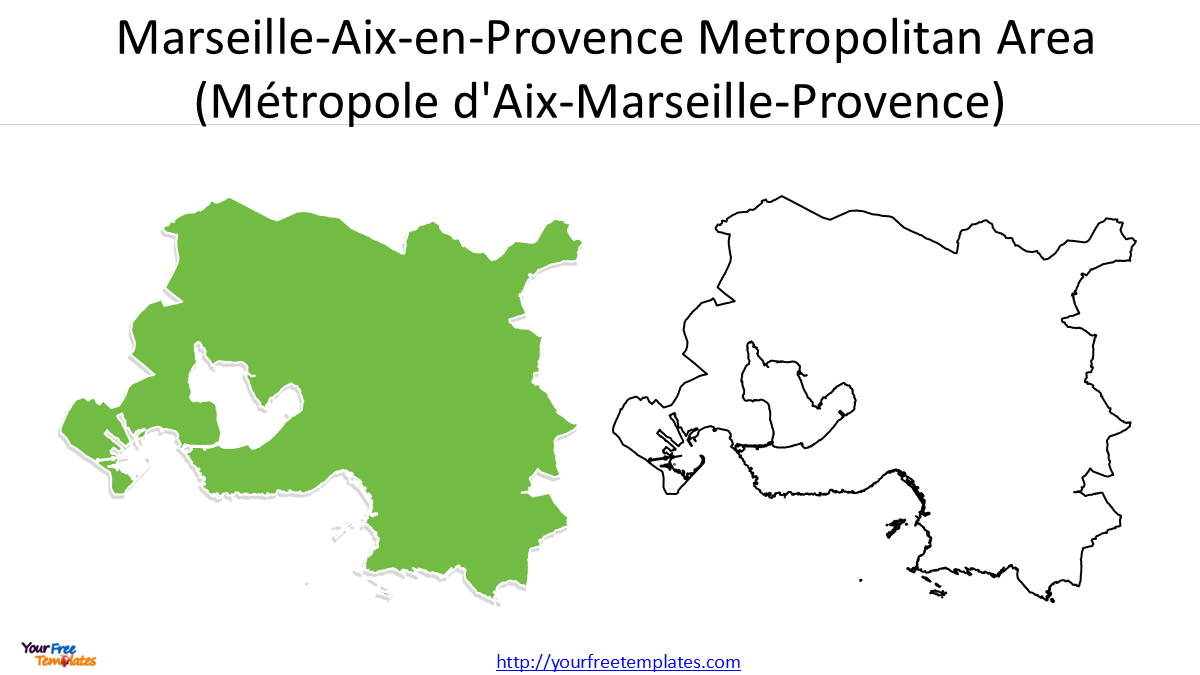
3. Marseille-Aix-en-Provence Metropolitan Area (Métropole d’Aix-Marseille-Provence)
Population (Metropolitan Area): Approximately 1,900,000
Core Cities: Marseille, Aix-en-Provence
Region: Provence-Alpes-Côte d’Azur
The Marseille metropolitan area is the third-largest functional urban region in France, with a population exceeding 1.7 million residents . As France’s gateway to the Mediterranean, Marseille is an ancient port city with a cosmopolitan character, while Aix-en-Provence serves as a historic cultural and university center.
Economic Profile & Industry Strengths:
-
Maritime & Port Logistics: The Port of Marseille Fos is the largest commercial port in France and one of the busiest in the Mediterranean, handling container shipping, oil refining, cruise traffic, and bulk cargo. The port is a critical gateway for trade with North Africa, the Middle East, and Asia.
-
Oil & Petrochemicals: The Fos-sur-Mer industrial zone hosts major refineries and chemical plants, making energy a cornerstone of the local economy.
-
Marine Biology & Oceanography: The Mediterranean Institute of Oceanography and numerous marine research centers are based in the region.
-
Technology & Innovation: Aix-en-Provence has developed a technology cluster, with companies specializing in software development, cybersecurity, and digital services.
-
Tourism: The Old Port of Marseille, Calanques National Park, Basilique Notre-Dame de la Garde, and Aix-en-Provence’s historic center attract millions of visitors annually.
-
Higher Education: Aix-Marseille University, formed by the merger of three universities, is one of the largest French-speaking universities in the world.
The Aix-Marseille-Provence Métropole, created in 2016, is one of France’s largest metropolitan authorities, encompassing 92 communes and managing regional transport, economic development, and urban planning.
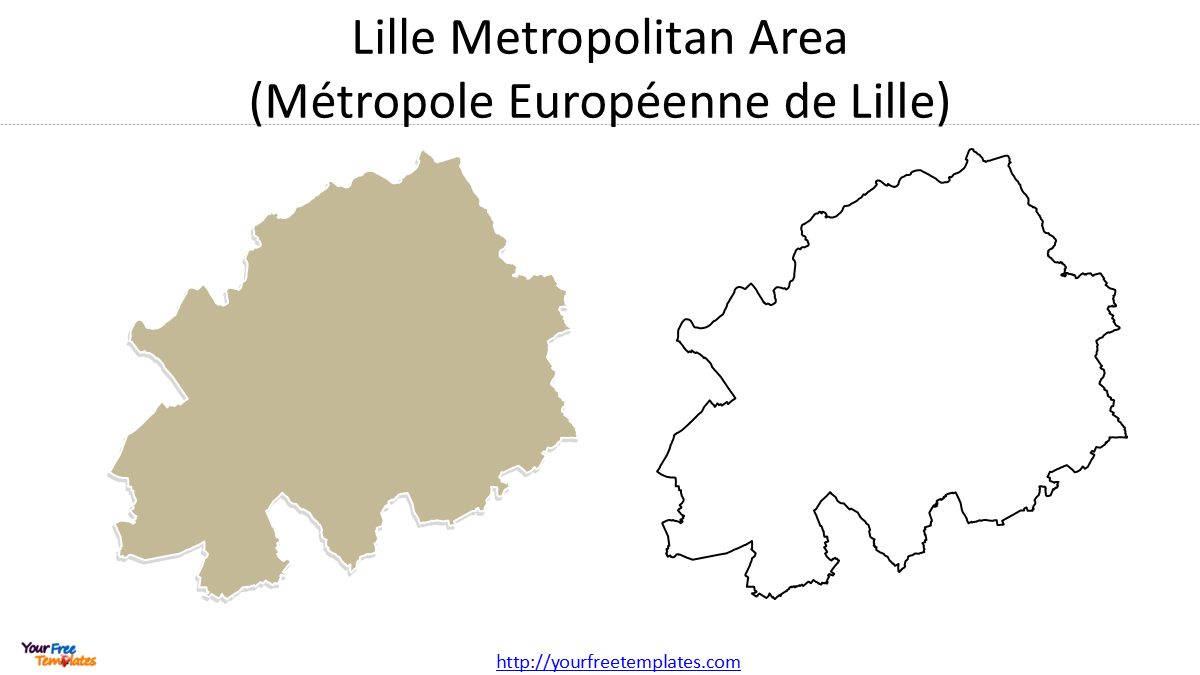
4. Lille Metropolitan Area (Métropole Européenne de Lille)
Population (Metropolitan Area): Approximately 1,500,000
Core City: Lille
Region: Hauts-de-France
The Lille metropolitan area is the fourth-largest functional urban region in France and the largest city in the Hauts-de-France region . Close to the border of Belgium and just 70 miles from Brussels, Lille has a population of about 1 million within its urban core, with the broader metropolitan area reaching 1.5 million . This strategic location at the crossroads of Northern Europe has shaped Lille’s identity as a commercial and logistical hub.
Economic Profile & Industry Strengths:
-
Logistics & Distribution: Lille is a major European freight hub, served by high-speed rail (Eurostar, TGV, Thalys), motorways (A1, A22, A23, A25), the nearby Port of Dunkirk, and the Lille-Lesquin airport cargo center. The city’s position makes it a gateway to the Benelux countries, Germany, and the United Kingdom.
-
Retail & E-commerce: Lille is a laboratory for retail innovation, with major headquarters for Auchan (global retail giant founded in Roubaix), Decathlon (sporting goods, founded in Villeneuve-d’Ascq), and Leroy Merlin (home improvement, founded in Lille). The region hosts massive e-commerce distribution centers serving Northern Europe.
-
Healthcare & Medical Research: The Lille University Hospital and the Institut Pasteur de Lille are renowned for research in cardiovascular disease, diabetes, metabolic disorders, and aging.
-
Banking & Insurance: Several regional and national banks maintain significant operations in the region.
-
Textile & Advanced Materials: The historical textile industry of Roubaix and Tourcoing has evolved into advanced technical textiles, composites, and fiber materials for aerospace, automotive, and medical applications.
-
Cultural & Creative Industries: Lille was designated European Capital of Culture in 2004, and the event catalyzed significant urban regeneration and cultural infrastructure investments.
The Métropole Européenne de Lille (MEL) is one of France’s largest intercommunal structures, encompassing 90 communes and providing coordinated governance for transport, waste management, economic development, and urban planning.
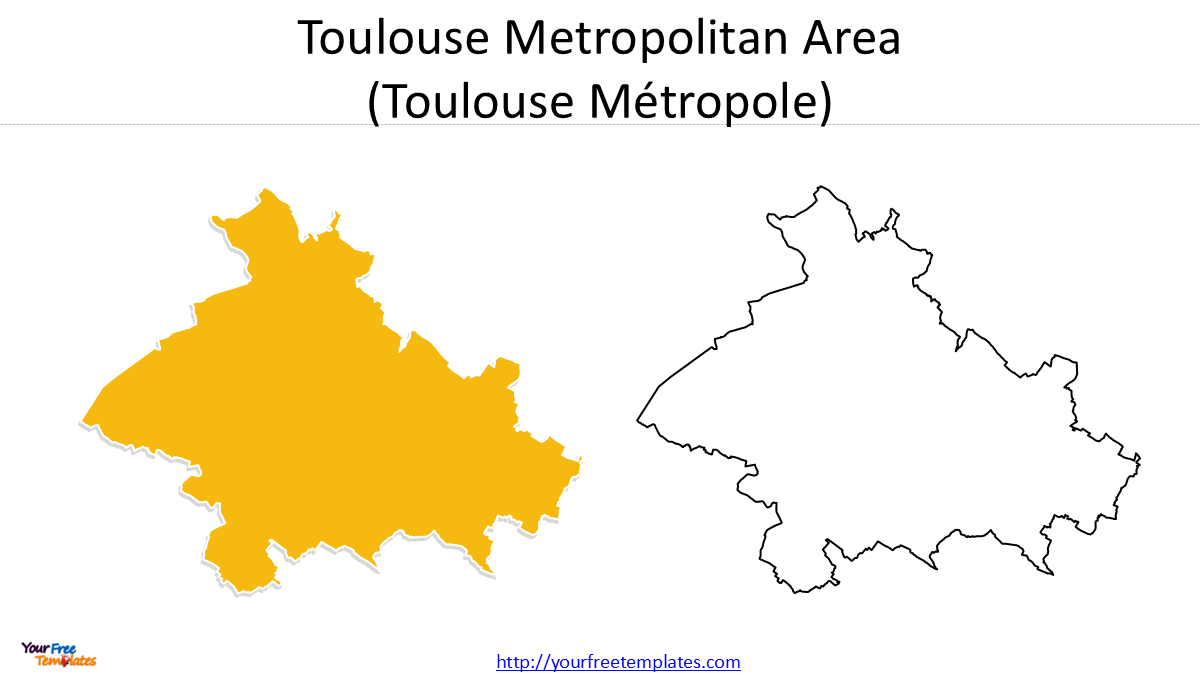
5. Toulouse Metropolitan Area (Toulouse Métropole)
Population (Metropolitan Area): Approximately 1,400,000
Core City: Toulouse
Region: Occitanie
The Toulouse metropolitan area is the fifth-largest functional urban region in France and the fastest-growing major metropolitan area in the country . Worldometer estimates the urban core at approximately 642,000 inhabitants, but the functional metropolitan area expands to 1.4 million, driven by the aerospace industry’s insatiable demand for skilled workers .
Economic Profile & Industry Strengths:
-
Aerospace & Defense: Toulouse is the European capital of aerospace. The city hosts the Airbus headquarters, final assembly lines for the A320, A330neo, A350, and A380 (though A380 production has ceased), and numerous suppliers including Thales Alenia Space, Dassault Aviation (in nearby Mérignac), and ATR (regional aircraft manufacturer). The region employs over 100,000 workers directly or indirectly in aerospace.
-
Space & Satellites: The National Centre for Space Studies (CNES) is headquartered in Toulouse. The city is a global center for satellite manufacturing, space exploration systems, and earth observation technologies.
-
Research & Universities: The University of Toulouse is one of France’s oldest and largest, with a strong focus on engineering, aerospace sciences, and digital technologies. The Institut Supérieur de l’Aéronautique et de l’Espace (ISAE-SUPAERO) is one of the world’s most prestigious aerospace engineering schools.
-
Healthcare & Biotech: The Oncopole cancer research center in Toulouse is a major employer and research hub, integrating academic research, hospital care, and pharmaceutical industry partners.
-
Digital & Software: Toulouse has developed a strong software and digital services sector, particularly in simulation, embedded systems, and artificial intelligence for aerospace applications.
Toulouse Métropole has implemented ambitious transport infrastructure projects, including the third metro line (Ligne C), to accommodate continued population and employment growth.
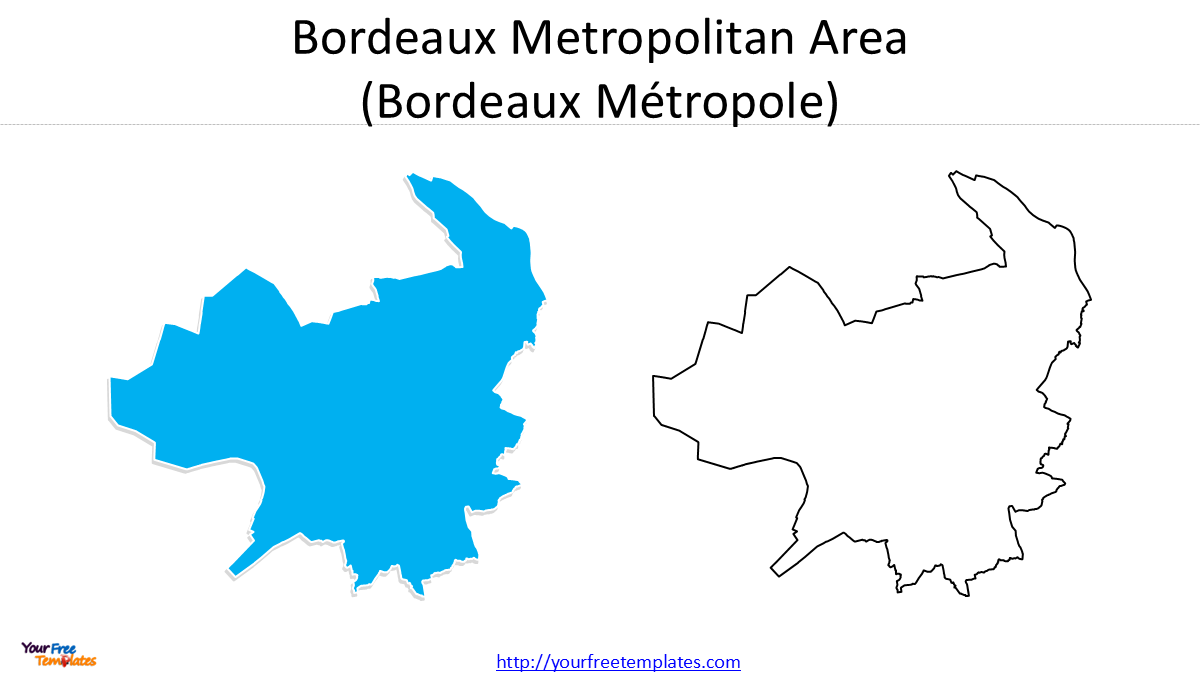
6. Bordeaux Metropolitan Area (Bordeaux Métropole)
Population (Metropolitan Area): Approximately 1,200,000
Core City: Bordeaux
Region: Nouvelle-Aquitaine
The Bordeaux metropolitan area is the sixth-largest functional urban region in France and one of the nation’s fastest-growing metropolitan areas . Worldometer ranks Bordeaux as France’s sixth-largest urban area with approximately 631,000 inhabitants within the urban core, but the functional metropolitan area has reached 1.2 million . The city has undergone a remarkable urban renaissance in the past two decades.
Economic Profile & Industry Strengths:
-
Wine & Viticulture: The Bordeaux wine region produces over 700 million bottles annually, supporting a massive ecosystem of vineyards, wine merchants (négociants), logistics providers, and wine tourism operators. The wine industry is the region’s global brand.
-
Aerospace & Defense: Dassault Aviation maintains the Rafale fighter jet assembly line in Mérignac (adjacent to Bordeaux Airport). Thales and Safran also have major facilities in the region.
-
Digital & Tech: The Bordeaux Métropole Digital Hub has attracted startups in artificial intelligence, e-commerce, software development, and digital services.
-
Laser & Photonics: The ALPhanOV technology center specializes in lasers and optical systems for industrial and medical applications, serving a niche global market.
-
Tourism: The UNESCO-listed Port of the Moon (Bordeaux’s historic riverfront), Place de la Bourse, Cité du Vin wine museum, and nearby Saint-Émilion vineyards drive a robust tourism sector.
-
Higher Education: The University of Bordeaux is one of France’s largest, with strengths in science, law, and political science.
Bordeaux Métropole, created in 2015, has implemented one of France’s most ambitious urban transport transformations, including the expansion of the tram network and the creation of extensive bicycle infrastructure.
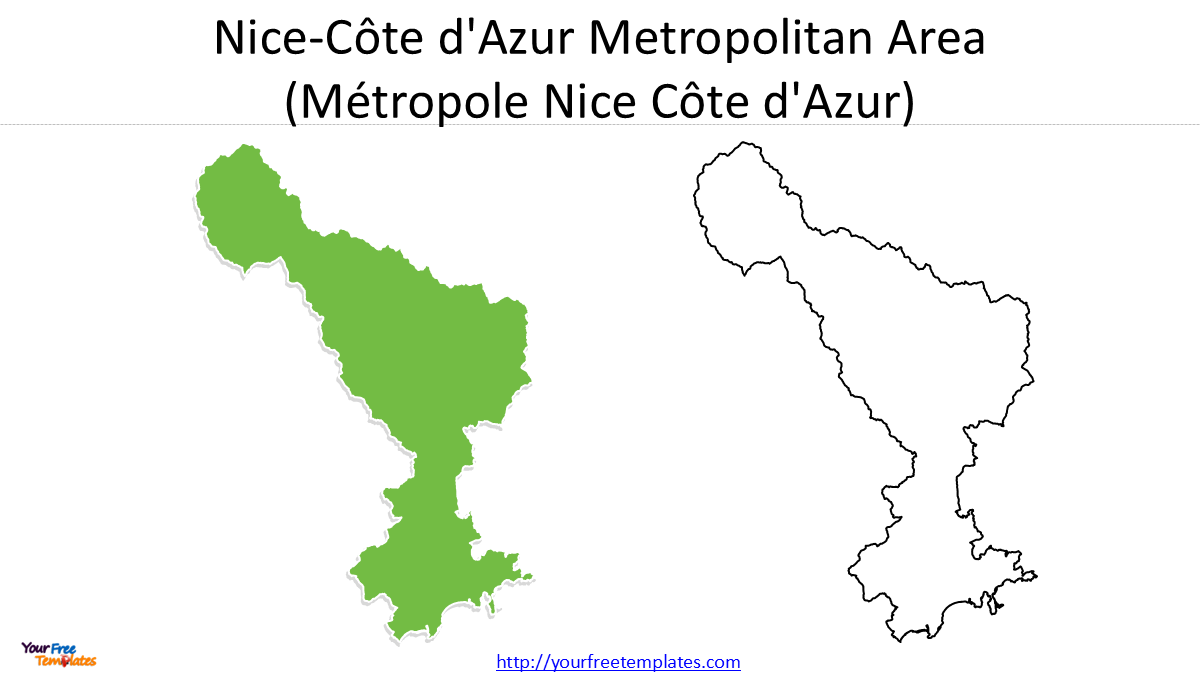
7. Nice-Côte d’Azur Metropolitan Area (Métropole Nice Côte d’Azur)
Population (Metropolitan Area): Approximately 1,100,000
Core City: Nice
Region: Provence-Alpes-Côte d’Azur
The Nice metropolitan area is the seventh-largest functional urban region in France and the leading city of the French Riviera (Côte d’Azur) . Worldometer estimates the urban core at approximately 418,000 inhabitants, but the functional metropolitan area reaches 1.1 million, including the glamorous coastal communities of Cannes, Antibes, and Monaco (though Monaco is a sovereign microstate) .
Economic Profile & Industry Strengths:
-
Tourism & Hospitality: The French Riviera is one of the world’s most famous tourist destinations. Nice is the gateway to the Côte d’Azur, attracting millions of visitors to its beaches, Promenade des Anglais, and nearby glamorous resorts.
-
Technology & Telecoms: The Nice Sophia Antipolis technology park—the first science park in Europe, created in 1969—hosts over 2,500 companies, including Amadeus (global travel technology), Accenture, SAP, Huawei, and numerous research institutes. The park specializes in information technology, electronics, biotechnology, and pharmacology.
-
Convention & Events: The Acropolis convention center in Nice hosts major international conferences, including the annual World Summit on the Information Society and various industry trade fairs.
-
Maritime & Yachting: Luxury yacht services, refit yards, port management, and superyacht construction are significant employers in the coastal zone.
-
Higher Education: The Université Côte d’Azur, formed by the merger of multiple institutions, has strengthened the region’s research profile, particularly in mathematics, digital sciences, and life sciences.
The Métropole Nice Côte d’Azur, created in 2012, is one of France’s first metropolitan authorities, encompassing 51 communes along the Mediterranean coast.
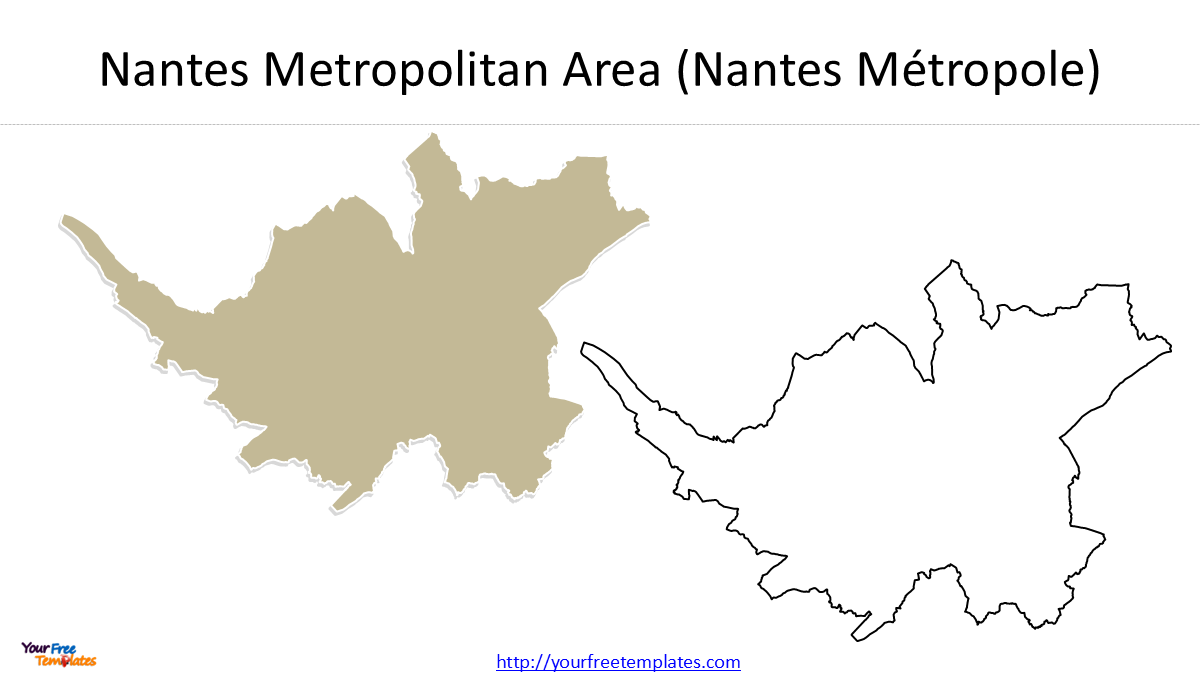
8. Nantes Metropolitan Area (Nantes Métropole)
Population (Metropolitan Area): Approximately 1,200,000
Core City: Nantes
Region: Pays de la Loire
The Nantes metropolitan area is the eighth-largest functional urban region in France, with Worldometer ranking the urban core at approximately 453,000 inhabitants and the broader functional area reaching 1.2 million . Nantes, historically the capital of the Duchy of Brittany, has transformed from a traditional port into a thriving creative and green technology hub.
Economic Profile & Industry Strengths:
-
Creative & Cultural Industries: Nantes is a UNESCO City of Design, with a thriving digital arts, music, and design sector. The annual Voyage à Nantes art festival draws international attention and catalyzes urban regeneration.
-
Aerospace & Defense: Airbus Defense and Space and Safran have major facilities in the region, specializing in aircraft components, satellite systems, and defense electronics.
-
Logistics & Transport: Nantes is a major inland port connected to the Atlantic via the Loire River, handling container traffic, bulk goods, and agri-food products.
-
Renewable Energy: Offshore wind and marine renewable energy (tidal and wave power) are growing sectors, with several R&D centers located in the region. Nantes is a leader in France’s energy transition.
-
Food Processing: The surrounding agricultural region (Vendée, Loire-Atlantique) supports a strong food and beverage industry, including dairy, seafood, and prepared foods.
-
Higher Education: Nantes University is one of France’s largest, with strengths in engineering, medicine, law, and humanities.
Nantes Métropole has won numerous awards for its quality of life and sustainable urban planning, including being named European Green Capital in 2013.
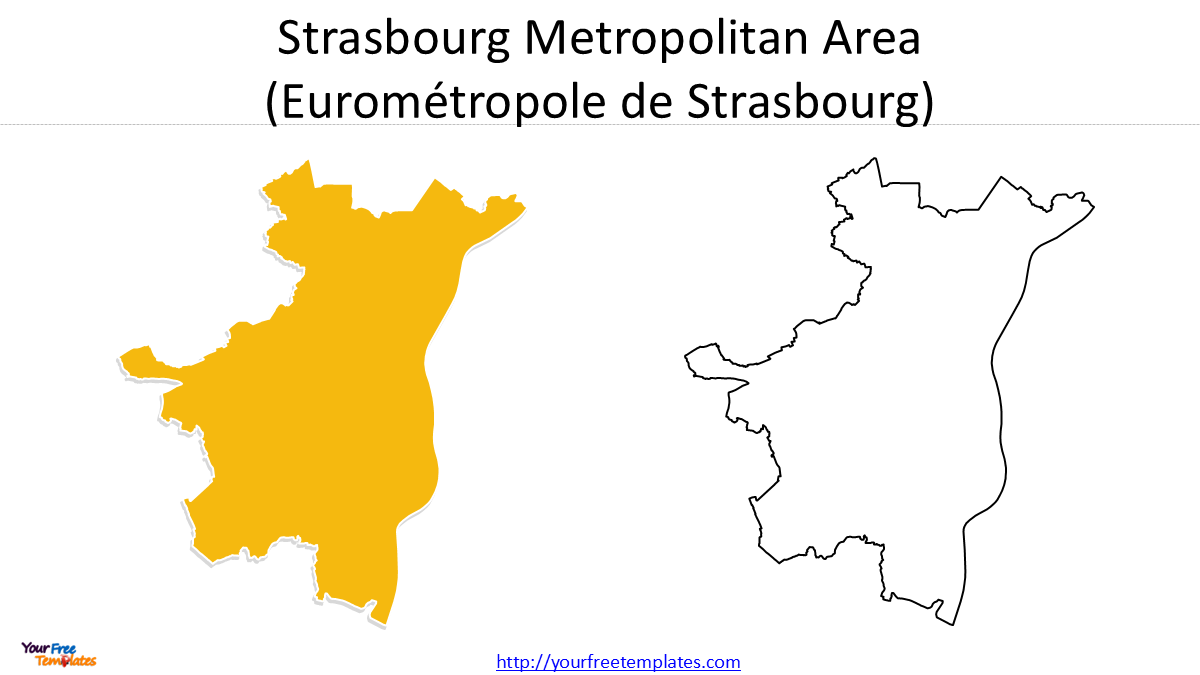
9. Strasbourg Metropolitan Area (Eurométropole de Strasbourg)
Population (Metropolitan Area): Approximately 1,100,000
Core City: Strasbourg
Region: Grand Est
The Strasbourg metropolitan area is the ninth-largest functional urban region in France, with Worldometer ranking the urban core at approximately 398,000 inhabitants and the broader cross-border functional area reaching 1 million (including the German city of Kehl) . Situated on the Franco-German border, Strasbourg is a symbol of European integration.
Economic Profile & Industry Strengths:
-
European Institutions: Strasbourg hosts the European Parliament (12 plenary sessions annually), the Council of Europe, and the European Court of Human Rights. These institutions drive a significant diplomatic, legal, translation, and lobbying economy.
-
Legal & Lobbying Services: A dense network of law firms, lobbyists, NGOs, and international civil servants serves the EU institutions.
-
Pharmaceuticals & Biotechnology: Pfizer, Lilly, and other pharmaceutical giants have major research and manufacturing facilities in the region, benefiting from the cross-border talent pool.
-
Automotive & Engineering: The region has a strong automotive parts supply chain, leveraging proximity to German automotive manufacturers in Stuttgart and Munich.
-
Tourism: The historic Grande Île (a UNESCO World Heritage site), Strasbourg Cathedral, picturesque Petite France quarter, and the famous Christmas market (Christkindelsmärik) attract millions of visitors annually.
-
Higher Education: The University of Strasbourg is one of France’s largest and most prestigious, with strengths in European studies, law, political science, and life sciences.
The Eurométropole de Strasbourg has a unique cross-border character, with the German city of Kehl integrated into the functional urban area via tram line D, which crosses the Rhine River.
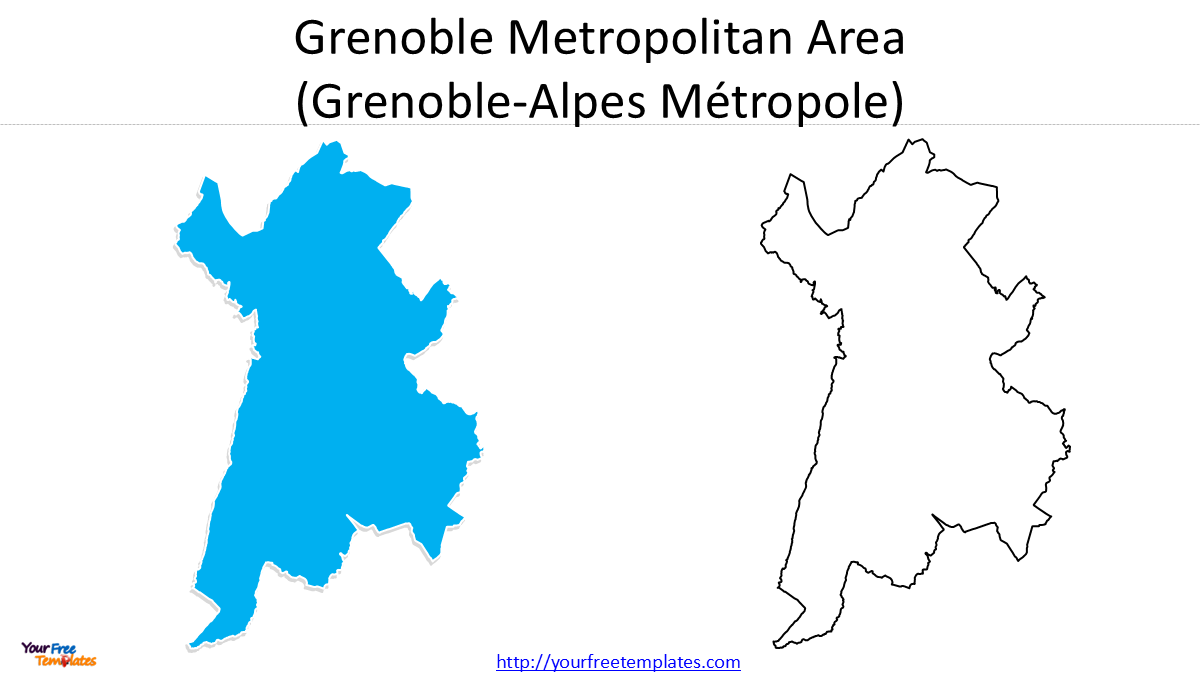
10. Grenoble Metropolitan Area (Grenoble-Alpes Métropole)
Population (Metropolitan Area): Approximately 750,000
Core City: Grenoble
Region: Auvergne-Rhône-Alpes
The Grenoble metropolitan area rounds out the top ten functional urban regions in France, with Worldometer ranking the urban core at approximately 359,000 inhabitants and the broader metropolitan area reaching 750,000 . Grenoble is France’s capital of science and technology, leveraging its Alpine setting and world-class research institutions.
Economic Profile & Industry Strengths:
-
Nanotechnology & Semiconductors: Grenoble is a global center for nanotechnology, semiconductor research, and microelectronics. The CEA-Leti research institute (Commissariat à l’Énergie Atomique) is a world leader in miniaturization technologies.
-
Digital & Software: The region hosts a concentration of software companies specializing in embedded systems, simulation, artificial intelligence, and cybersecurity.
-
Renewable Energy & Cleantech: Grenoble is a leader in solar energy (INES solar research institute), hydropower technology, and smart grid development.
-
Healthcare & Medical Devices: The region has a growing medical technology cluster, specializing in diagnostic equipment, imaging technologies, and telemedicine.
-
Higher Education: Grenoble Alpes University is one of France’s leading research universities, particularly in physics, engineering, computer science, and earth sciences.
-
Winter Sports & Tourism: The Grenoble metropolitan area is the gateway to the French Alps, including world-famous ski resorts (Les Deux Alpes, Alpe d’Huez, Chamrousse). Grenoble hosted the 1968 Winter Olympics.
Grenoble-Alpes Métropole has positioned itself as “European Green Capital 2022” (the award was actually held by Grenoble in 2022, following Nantes in 2013), reflecting its leadership in sustainable urban development and climate action.
Comparative Analysis: Key Takeaways from the Rankings
| Rank | Metropolitan Area | Population (approx.) | Core City Population | Dominant Industry |
|---|---|---|---|---|
| 1 | Paris | 12.5 – 13.0 M | 2.1 M | Diversified (Financial, Tech, Tourism) |
| 2 | Lyon | 2.3 M | 522 K | Life Sciences, Chemicals, Banking |
| 3 | Marseille-Aix | 1.9 M | 873 K | Maritime, Oil, Logistics |
| 4 | Lille | 1.5 M | 236 K | Logistics, Retail, Healthcare |
| 5 | Toulouse | 1.4 M | 504 K | Aerospace, Space, Defense |
| 6 | Bordeaux | 1.2 M | 260 K | Wine, Aerospace, Digital |
| 7 | Nice-Côte d’Azur | 1.1 M | 348 K | Tourism, Tech (Sophia Antipolis) |
| 8 | Nantes | 1.2 M | 323 K | Creative Industries, Renewables |
| 9 | Strasbourg | 1.1 M | 291 K | EU Institutions, Pharma |
| 10 | Grenoble | 750 K | 158 K | Nanotech, Cleantech |
Key observations:
-
Paris alone accounts for nearly 20% of France’s total population and 30% of its GDP .
-
The “balance” between Lyon and Marseille is notable: Lyon has a slightly larger functional metropolitan area (2.3 M vs. 1.9 M) despite Marseille having a larger commune population (873 K vs. 522 K). This reflects Lyon’s more extensive suburbanization and economic integration .
-
Toulouse and Bordeaux are the fastest-growing major metropolitan areas in France, driven by aerospace and tech sectors, respectively.
-
Decentralization policies have succeeded in creating robust secondary metropolitan areas, but Paris remains overwhelmingly dominant—a classic “primate city” structure.
Download the PowerPoint Slides of Largest Metropolitan Areas in France
This blog post is accompanied by an 11-slide PowerPoint deck:
Looking for Premium maps, please visit our affiliate site: https://editablemaps.com/ or https://ofomaps.com/
Size:170K
Type: PPTX
Top 10 Largest Metropolitan Areas in France Map Template
Click the link to download it.
Aspect Ratio: Widescreen 16:9
Click the green button to download it.
Download the 16:9 Template
References and Data Sources
-
DBnomics – INSEE Population Structure Data, 2026
-
Worldometer – France Demographics 2026: Population Statistics
-
Prologis France – Properties by Region (metropolitan area populations)
-
Regions4 – Interview with Île-de-France President Valérie Pécresse
-
L’Institut Paris Region – Economic Transformations in the Paris Region
-
Stanford Libraries – Region Boundaries of Metropolitan France (shapefile)
-
Wikipedia – Metropolitan France