

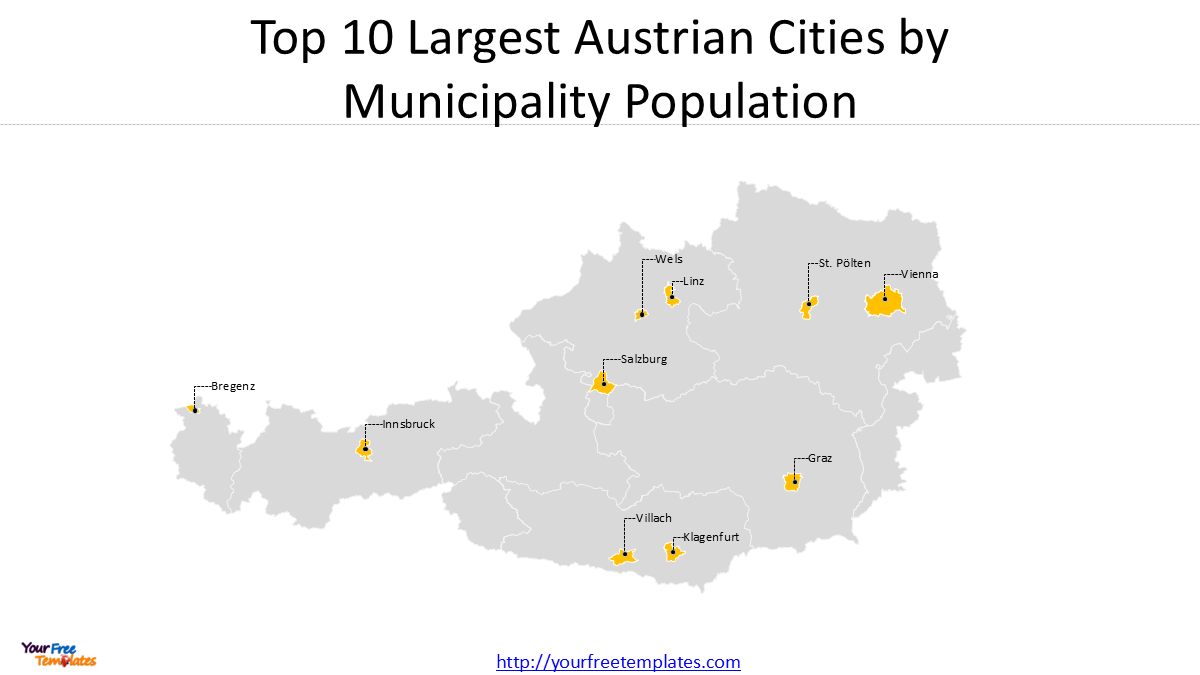
When analyzing the largest cities in Austria, it becomes evident that this Central European nation of approximately 9 million people is defined by a striking primate city structure, with Vienna dominating the urban hierarchy to an extent rarely seen in Western Europe. Home to over 2 million residents—nearly one-quarter of the country’s total population—Vienna casts a long shadow over Austria’s second-tier cities . Yet beyond the capital lies a diverse collection of regional capitals, each driving distinct economic engines: from Graz’s automotive and university economy in the southeast, to Linz’s industrial and digital transformation along the Danube, to Salzburg’s tourism and trade legacy, and Innsbruck’s alpine winter sports dominance .
Below, we rank Austria’s ten most populous municipalities—the administrative level equivalent to city limits—and explore their regional context, population figures, and key industries. To help you visualize this data, we have created an 11-slide PowerPoint deck featuring the national map of Austria with all ten city boundaries (municipality level) on slide 1, followed by individual enlarged municipality-level city limit maps for each of the ten cities on slides 2 through 11.
You can check our largest cities series as below.
- Top 10 Largest Cities in France
- Top 10 Largest Cities in Netherlands
- Top largest cities in UK
- Top largest cities in Germany
- Top largest cities in US
- Top largest cities in Canada
- Top largest cities in Australia
Understanding Austria’s Administrative Level: Municipality (Gemeinde) Boundaries
Before diving into the rankings, it is important to understand what “city limits” mean in Austria. The municipality (Gemeinde) is the smallest administrative division in Austria, equivalent to a city or town boundary. As of 2026, Austria has approximately 2,094 municipalities, each with its own elected municipal council and mayor. The nine federal states (Bundesländer) oversee these municipalities, which handle local services including spatial planning, social welfare, and infrastructure .
When we refer to the population of Vienna, Graz, or Linz, we are referring to the population within that municipality’s legal boundaries—not the larger metropolitan area. This distinction is critical for accurate demographic comparison. Our accompanying PowerPoint slides use precise shapefile data to outline each city at the municipality level, allowing you to present clear, legally defined city limits .
Austria’s population reached approximately 9 million in 2026, with a median age of 43.9 years and life expectancy of 83.1 years . The country’s urban population continues to concentrate in the eastern federal states, particularly Vienna, Lower Austria, and Burgenland, while industrial regions like Upper Austria and Styria have faced economic headwinds in recent years .
The Ranking: Top 10 Largest Austrian Cities by Municipality Population
All population figures are based on 2025-2026 data from Statistics Austria and authoritative sources.
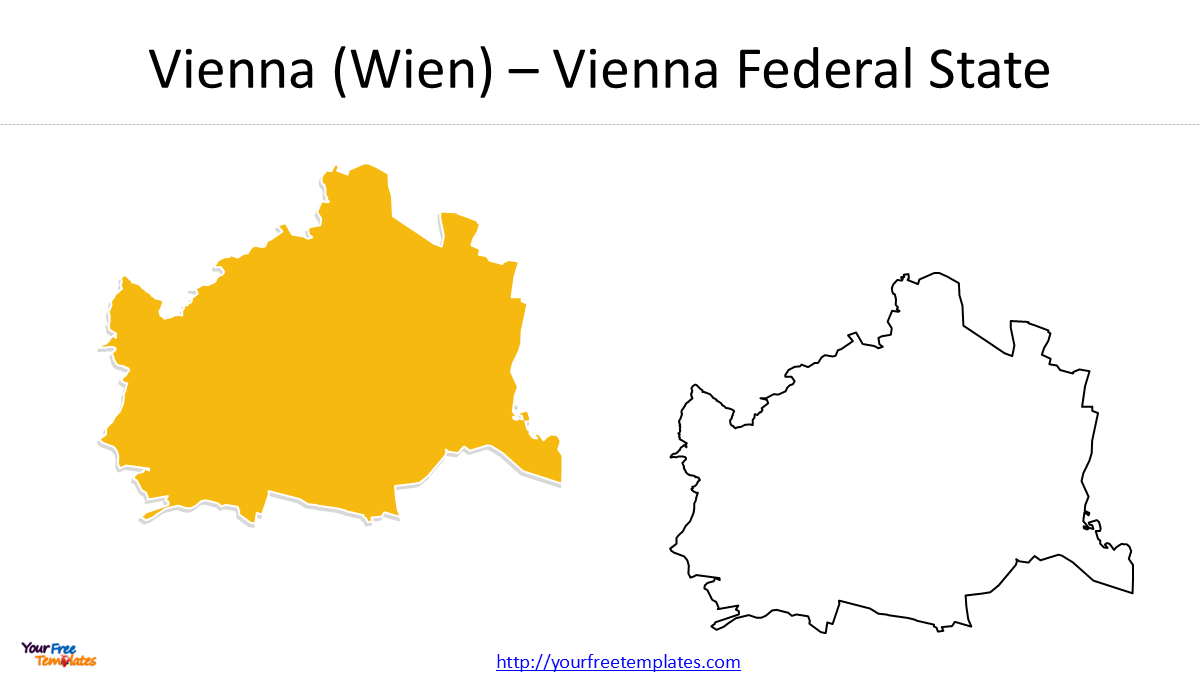
1. Vienna (Wien) – Vienna Federal State
Population (Municipality): Approximately 2,031,326 (urban area); 2,020,320 (municipality estimate 2026)
Federal State: Vienna (also a federal state)
Metropolitan Area: Approximately 2.6 million
Vienna is by far the most populous city in Austria and one of the few European capitals that is also a federal state. With over 2 million residents within city limits and approximately 2.6 million in the greater metropolitan area, Vienna accounts for nearly one-quarter of Austria’s total population . The city lies on the Danube River and has been home to many famous residents, including Mozart, Beethoven, and Sigmund Freud .
Economic Profile & Industry Strengths:
-
Services & Finance: Vienna is Austria’s undisputed economic capital, contributing approximately €135 billion in gross regional product—far exceeding any other Austrian region. The services sector dominates, particularly financial services, commerce, and tourism .
-
International Diplomacy: Vienna is one of the four United Nations headquarters cities (alongside New York, Geneva, and Nairobi), hosting the UN Office on Drugs and Crime (UNODC), the International Atomic Energy Agency (IAEA), and the Organization of Petroleum Exporting Countries (OPEC). This diplomatic presence generates significant economic activity and high-skilled employment .
-
Tourism: Vienna set a new record for overnight stays with an increase of 7.8 percent, and city tourism has already reached or exceeded pre-pandemic levels .
-
Industry & Research: Vienna maintains strengths in mechanical engineering, electrical engineering, pharmaceuticals, and research & development. The city has become a hub for life sciences and biotechnology startups.
-
Real Estate & Business Parks: Developments like WALTER BUSINESS-PARK in southern Vienna offer flexible office and warehouse solutions, attracting wholesalers and distribution companies with excellent infrastructure and free parking .
Despite its economic strength, elevated inflation in Vienna continues to restrict consumer purchasing power, a challenge facing many European capitals .
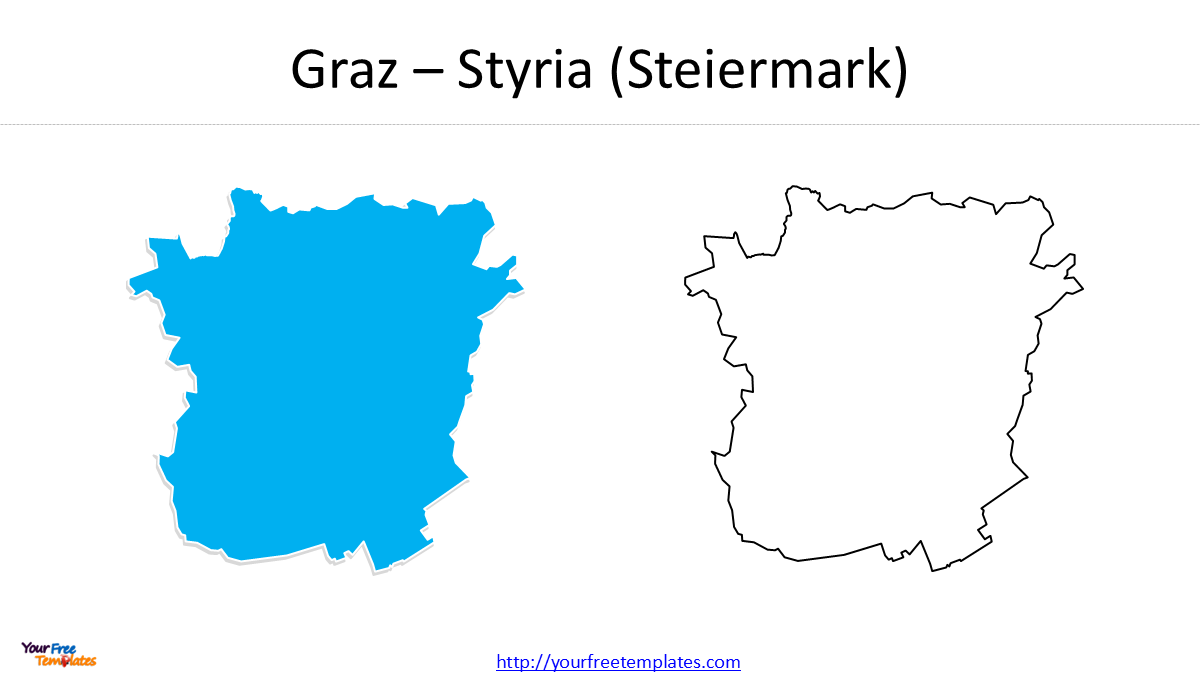
2. Graz – Styria (Steiermark)
Population (Municipality): Approximately 298,021 (2025 estimate)
Federal State: Styria (Steiermark)
Graz, the capital of Styria, is Austria’s second-largest city and a UNESCO World Heritage Site renowned for its well-preserved medieval old town. With a population approaching 300,000, Graz is the dominant urban center of southeastern Austria and a major university city .
Economic Profile & Industry Strengths:
-
Automotive Industry: Graz is a significant center for the automotive industry, particularly through the Magna Steyr plant, which manufactures vehicles for multiple global brands. This sector is a cornerstone of Styrian employment and exports .
-
Research & Development: The city hosts leading research institutions, including the Graz University of Technology (TU Graz), contributing to innovations in automotive engineering, materials science, and information technology .
-
Mechanical Engineering: Styria’s most important economic sectors include industry (especially automotive and mechanical engineering), research & development, and tourism .
-
University Economy: With over 60,000 students across its four universities, Graz has a vibrant student population that drives the local service and housing economies.
-
Challenges: The industrial-focused federal states like Styria have suffered from weakening production of material goods and a weak construction industry, with significant employment declines recorded in recent quarters .
Graz consistently ranks among Austria’s most livable cities, combining historic charm with a dynamic modern economy.
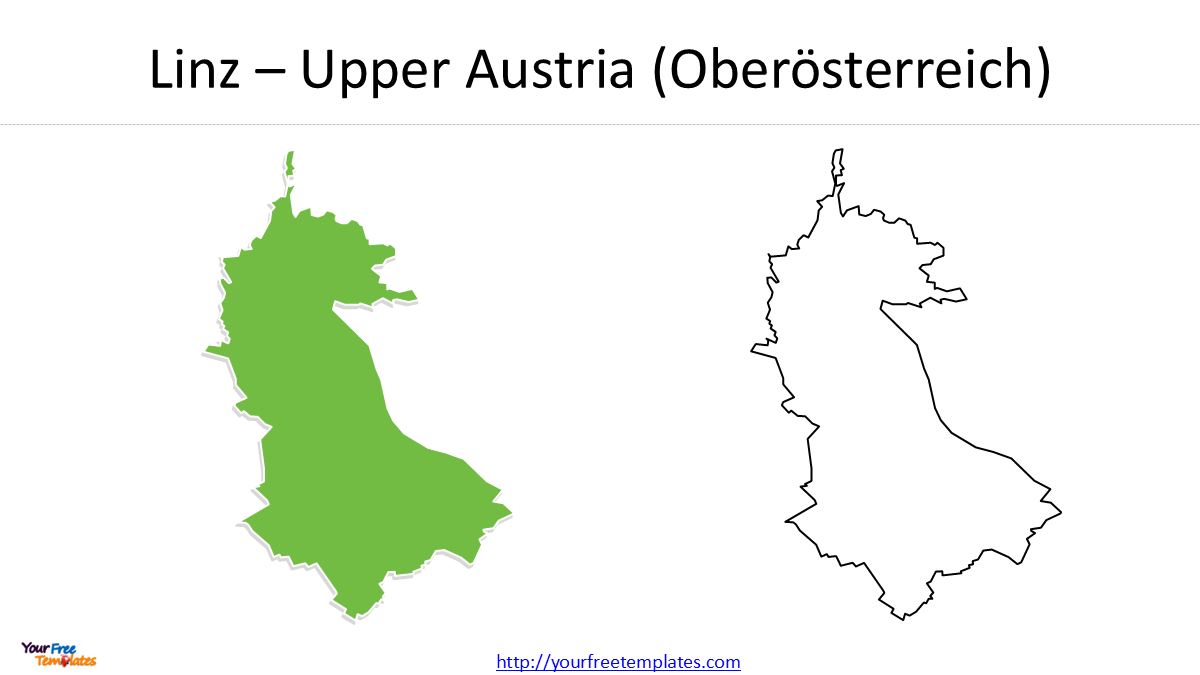
3. Linz – Upper Austria (Oberösterreich)
Population (Municipality): Approximately 239,484 (2025 estimate); 214,987 (alternate estimate 2026)
Federal State: Upper Austria (Oberösterreich)
Linz, the capital of Upper Austria, is Austria’s third-largest city and a remarkable example of successful post-industrial transformation. Located on the Danube River, Linz has evolved from a steel-focused industrial city into a diversified economic hub combining industry with digital technologies and creative industries .
Economic Profile & Industry Strengths:
-
Steel & Industrial Heritage: Voestalpine, one of Europe’s leading steel and technology groups, remains headquartered in Linz and is a major employer. The company has ambitious plans for the future, including investments in green steel production .
-
Economic Diversification: Linz has successfully diversified its economic base, aiming to combine industrial orientation with digital technologies and creative industries. The city’s economic strategy promotes climate-neutrality, digitalisation, and resource-efficiency—framed as a “green new deal” .
-
Employment Structure: A large proportion of Linz’s workforce is employed in manufacturing (15%), health and social work (16%), wholesale and trade (10%), administrative and support services (9%), and public administration (8%) .
-
Demographics & Immigration: Linz has grown moderately by about 17% (approximately 30,000 people) in the last 25 years. Population growth has been primarily driven by immigration from non-Austrian citizens. The share of non-Austrian citizens increased from 13% in 2005 to around 31% in 2025 .
-
Education Profile: Approximately 23% of Linz residents have attained compulsory-only education, 41% have basic vocational training, 20% have higher (vocational) education, and 16% have post-secondary and tertiary education levels .
-
Economic Challenges: As an industrial hub, Upper Austria has suffered from the weakening production of material goods and the weak construction industry .
Linz was named European Capital of Culture in 2009, and the designation catalyzed significant cultural infrastructure investment, including the iconic Lentos Art Museum and the Ars Electronica Center.
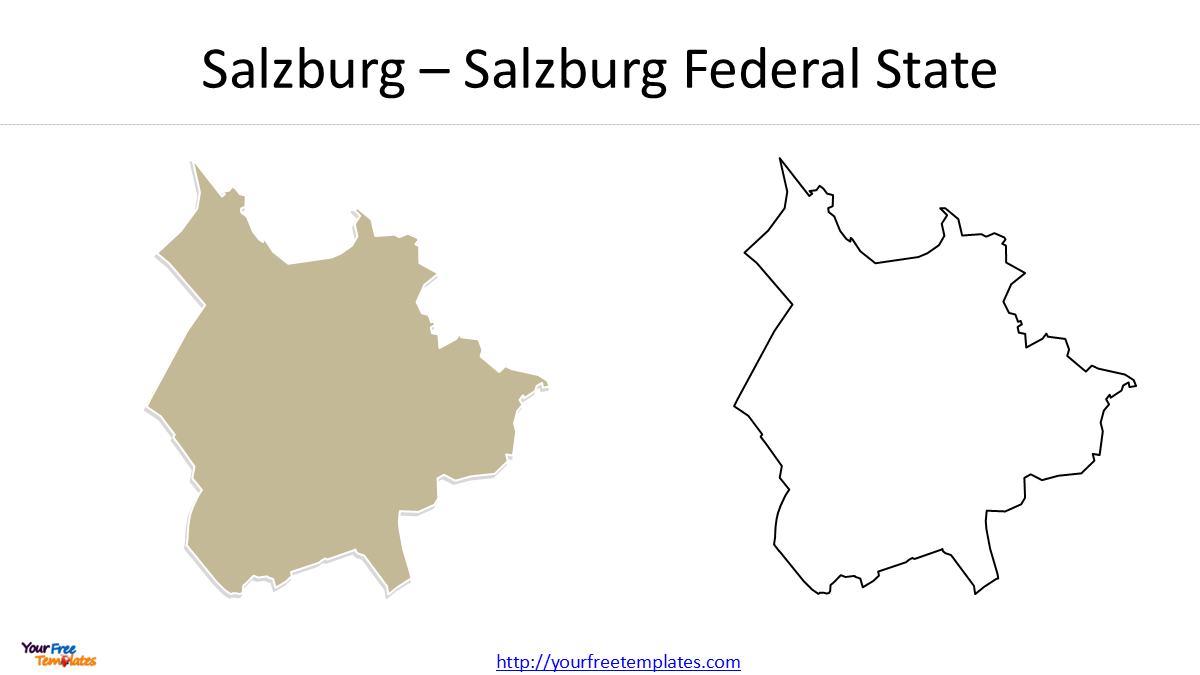
4. Salzburg – Salzburg Federal State
Population (Municipality): Approximately 144,603 (2025 estimate); 157,245 (alternate estimate 2026)
Federal State: Salzburg
Salzburg, the capital of its namesake federal state, is Austria’s fourth-largest city and one of the country’s most iconic tourist destinations. Known worldwide as the birthplace of Wolfgang Amadeus Mozart and the setting for “The Sound of Music,” Salzburg’s baroque architecture is a UNESCO World Heritage Site .
Economic Profile & Industry Strengths:
-
Tourism Dominance: Salzburg’s economy is overwhelmingly driven by tourism, encompassing city tourism (Mozart-related attractions, the Salzburg Festival) and winter tourism in the surrounding Salzkammergut and Alps. However, demand fell by 1.8% in Salzburg in recent periods, indicating some vulnerability .
-
Highest Disposable Income: Salzburg offers the highest disposable income of any Austrian city, reflecting its affluent population and premium service sector .
-
Trade & Commerce: The most important economic sectors in Salzburg include tourism (especially city and winter tourism) and commerce, with the city and its surrounding region serving as the economic hub .
-
Mozart Economy: The Mozart heritage generates a substantial cultural economy, including concerts, festivals, merchandise, and music education.
-
Employment: The workforce in Salzburg city and its surrounding region numbers approximately 280,000, with gross regional product of €37 billion .
Salzburg’s economy has faced recent challenges, with tourism demand declining slightly even as Vienna set records. However, the city’s diversification and high-income population provide resilience.
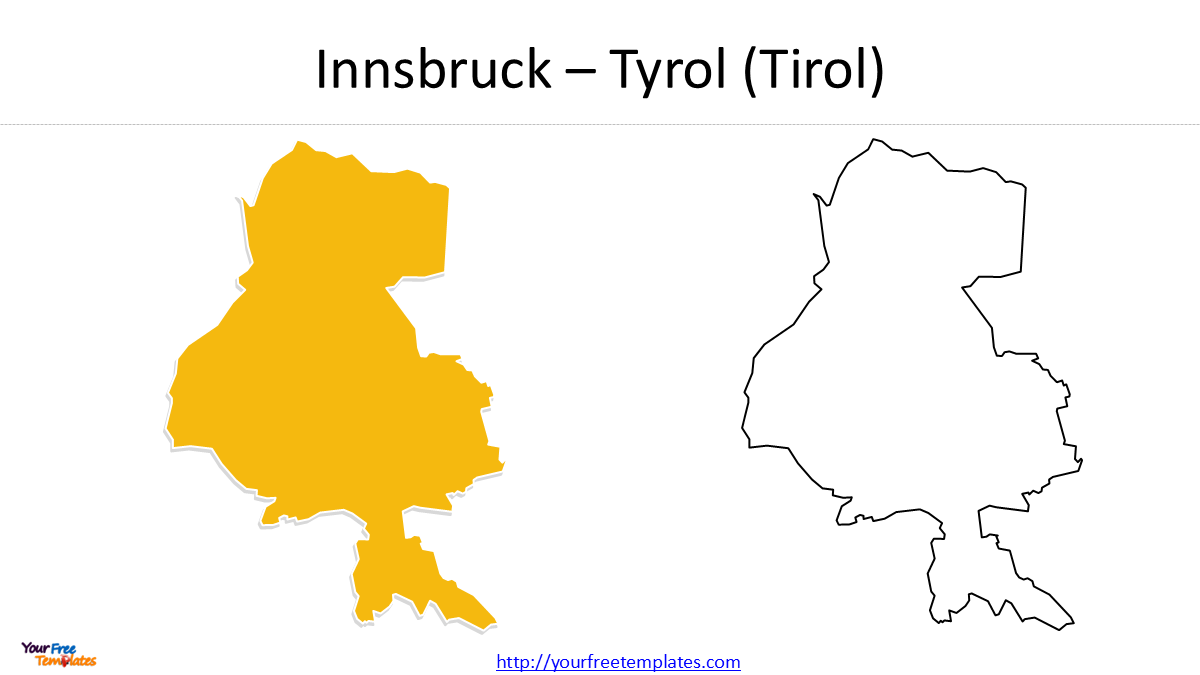
5. Innsbruck – Tyrol (Tirol)
Population (Municipality): Approximately 141,032 (2025 estimate); 132,493 (alternate estimate 2026)
Federal State: Tyrol (Tirol)
Innsbruck, the capital of Tyrol, is Austria’s fifth-largest city and the undisputed capital of the Alps. Nestled in the heart of the Alps, Innsbruck is a world-renowned destination for winter sports and outdoor activities, having hosted the Winter Olympics twice (1964 and 1976) .
Economic Profile & Industry Strengths:
-
Winter Tourism: Innsbruck’s economy is dominated by winter tourism, with ski resorts, mountain railways, hotels, and related services forming the economic backbone. Tyrol’s most important economic sectors include tourism (especially winter tourism), commerce, and industry .
-
Highest Future Growth Potential: According to research, Innsbruck holds the highest potential for future economic growth among Austrian cities, driven by its unique alpine position and high-quality tourism offerings .
-
Alpine Technology & Industry: Innsbruck has developed specialized industries in cable car engineering, avalanche control technology, and mountain infrastructure.
-
University Hub: The University of Innsbruck and the Medical University of Innsbruck attract students and researchers from across the region.
-
Employment & Economic Performance: Positive employment developments have been recorded in Tyrol, even as industrial regions faced declines .
The workforce in Tyrol numbers approximately 358,000, with gross regional product of €41.9 billion .
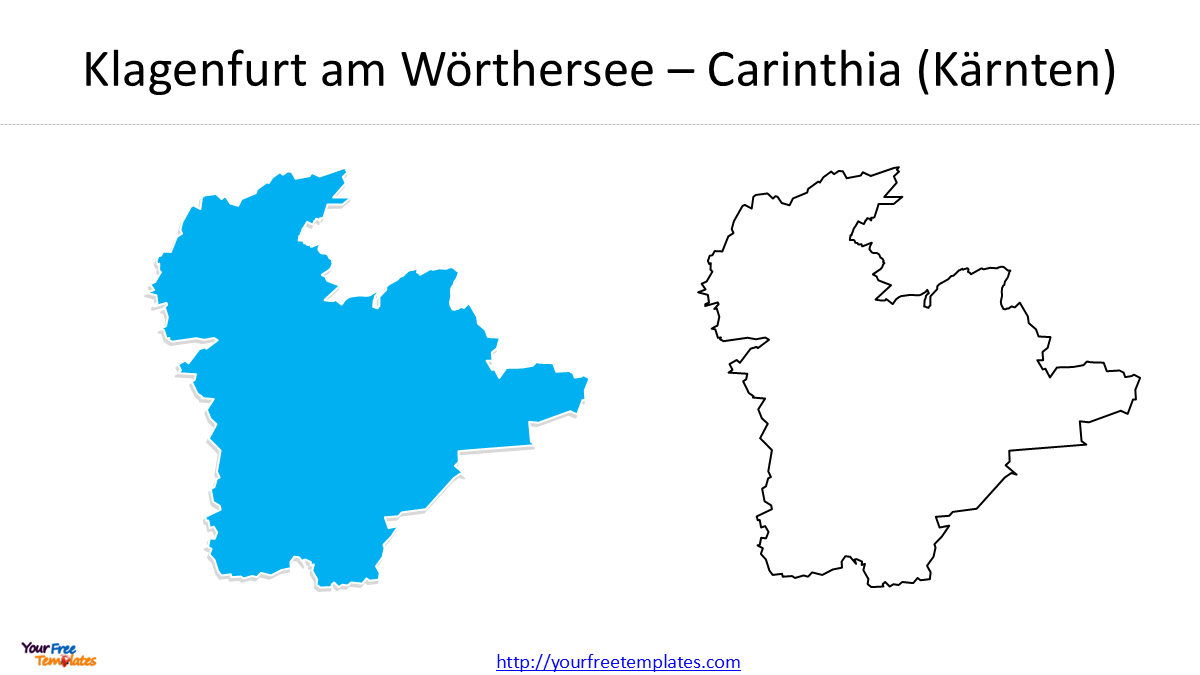
6. Klagenfurt am Wörthersee – Carinthia (Kärnten)
Population (Municipality): Approximately 79,848 (2025 estimate); 100,316 (alternate estimate including districts)
Federal State: Carinthia (Kärnten)
Klagenfurt, the capital of Carinthia, is Austria’s sixth-largest city and a popular summer destination on the shores of Lake Wörthersee. The city’s official name is Klagenfurt am Wörthersee, reflecting its strong tourism identity.
Economic Profile & Industry Strengths:
-
Tourism: Klagenfurt’s location on Lake Wörthersee makes it a prime summer destination, with swimming, boating, and lakeside leisure driving the local economy.
-
Industry: Carinthia’s most important economic sectors include tourism, industry (electrical engineering/electronics, mechanical engineering, timber and paper), with economic hubs including Klagenfurt, Villach, Völkermarkt, Althofen, and the Lavanttal .
-
Aging Population Challenge: Klagenfurt faces notable demographic challenges, with the city set to experience an aging population more significantly than other Austrian cities. The old-age dependency ratio is projected to increase .
-
Economic Context: Demand in Carinthia fell by 1.2% in tourism, and industrial sectors have faced declines, though the public service sector remains a stabilizing factor .
The workforce in Carinthia numbers approximately 250,000, with gross regional product of approximately €26 billion .
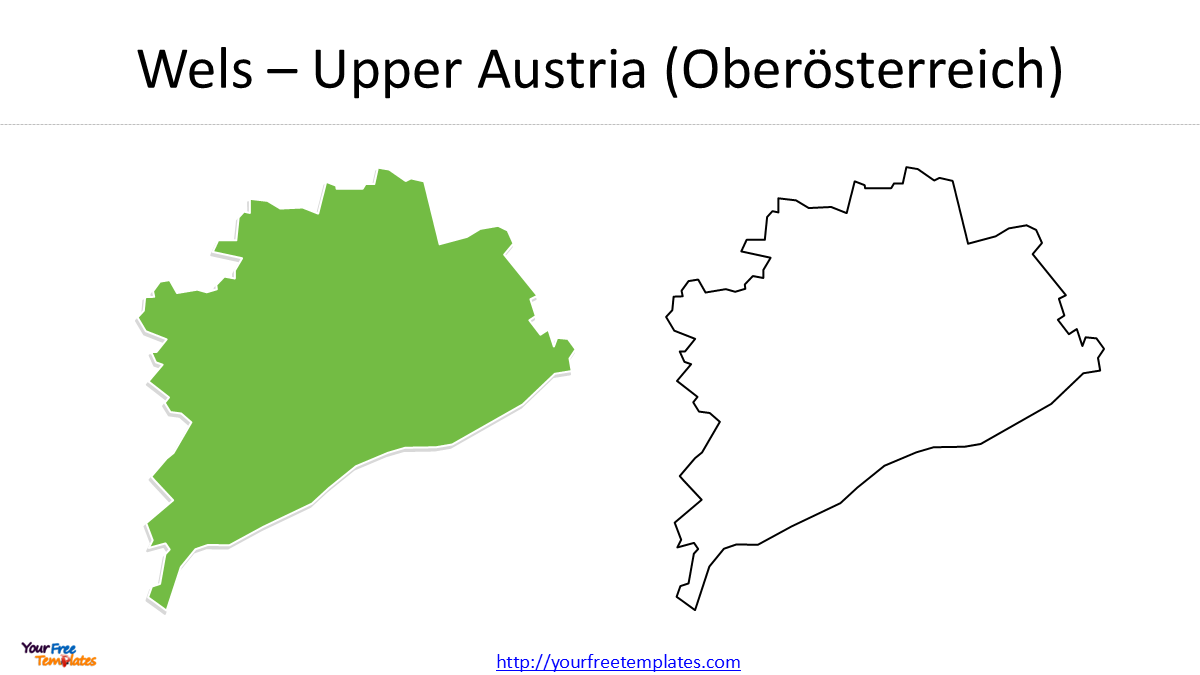
7. Wels – Upper Austria (Oberösterreich)
Population (Municipality): Approximately 59,853 (2026 estimate)
Federal State: Upper Austria (Oberösterreich)
Wels is Austria’s seventh-largest city and a significant industrial and commercial center in Upper Austria. Located approximately 30 kilometers southwest of Linz, Wels is part of the Upper Austrian economic core.
Economic Profile & Industry Strengths:
-
Trade Fairs & Events: Wels is renowned for its international trade fairs, particularly the Welser Messe, which attracts exhibitors and visitors from across Central Europe.
-
Industry: As part of Upper Austria, Wels benefits from the region’s industrial strengths in mechanical engineering, steel processing, and automotive supply.
-
Logistics: Wels’s strategic location between Linz, Salzburg, and the German border makes it a logistics hub for Upper Austrian industry.
-
Agriculture & Food Processing: The surrounding agricultural region supports food processing and agribusiness sectors.
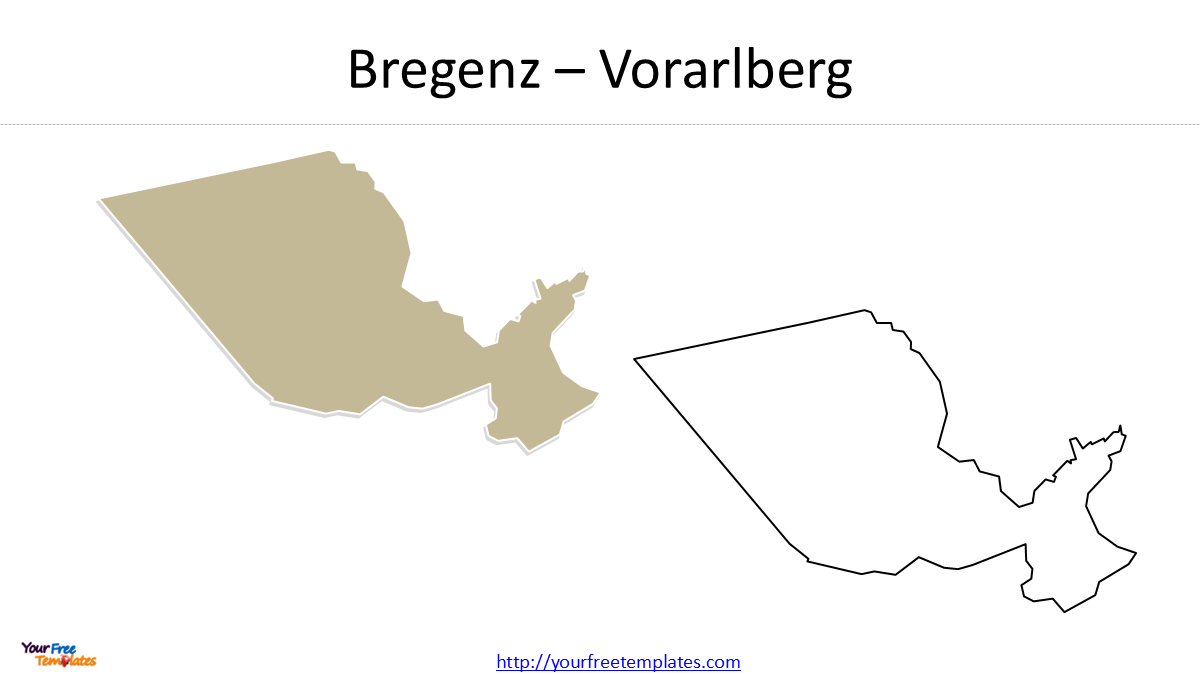
8. Bregenz – Vorarlberg
Population (Municipality): Approximately 51,293 (2025 estimate); 28,697 (municipality-only estimate)
Federal State: Vorarlberg
Bregenz is the capital of Vorarlberg, Austria’s westernmost federal state, located on the eastern shore of Lake Constance (Bodensee) at the foot of the Pfänder mountain. Note that population figures vary significantly depending on whether the broader urban agglomeration or strict municipality boundaries are counted.
Economic Profile & Industry Strengths:
-
Tourism: Bregenz is famous for the Bregenz Festival, which features performances on a spectacular lakeside stage. Summer tourism on Lake Constance drives significant economic activity.
-
Industry: Vorarlberg’s most important economic sectors include industry, commerce, crafts/trades, and tourism, with economic hubs in the Rheintal, Walgau, and Bregenzerwald regions .
-
Cross-Border Economy: Vorarlberg’s location at the intersection of Austria, Germany, Switzerland, and Liechtenstein creates a dynamic cross-border labor market and trade relationships.
-
Alpine Technology: The region has specialized in high-quality manufacturing, including textiles, machinery, and precision engineering.
The workforce in Vorarlberg numbers approximately 173,000, with gross regional product of approximately €23 billion .
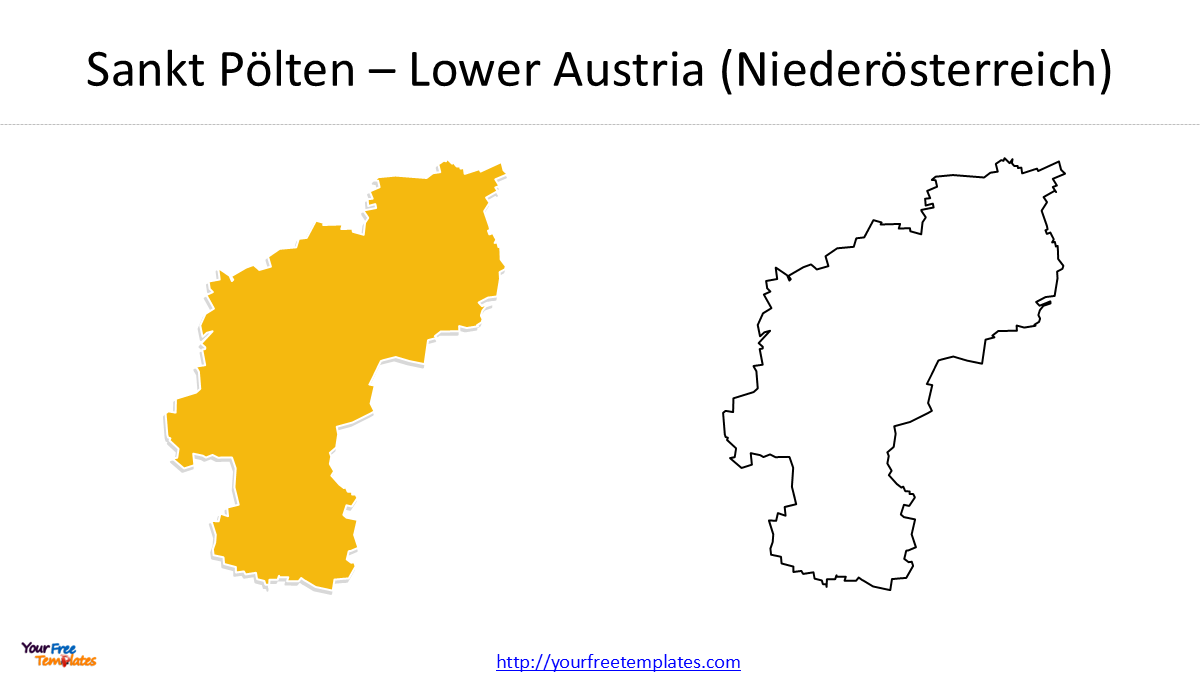
9. Sankt Pölten – Lower Austria (Niederösterreich)
Population (Municipality): Approximately 56,000
Federal State: Lower Austria (Niederösterreich)
Sankt Pölten is the capital of Lower Austria, the largest federal state by area that surrounds Vienna. The city became the state capital in 1986 following a public referendum, replacing Vienna (which is its own federal state). Since then, Sankt Pölten has undergone significant government-led development.
Economic Profile & Industry Strengths:
-
Public Administration: As the capital of Lower Austria, Sankt Pölten hosts state government ministries, agencies, and public sector employment.
-
Services: The service sector dominates employment, including financial services, insurance, and business consulting.
-
Industry: Lower Austria’s most important economic sectors include industry (especially metalworking, mechanical engineering), agriculture, and tourism. Economic hubs include St. Pölten and the region around Vienna .
-
Transport Hub: Sankt Pölten is a major rail junction on the Westbahn (Western Railway) connecting Vienna to Salzburg and Germany.
The workforce in Lower Austria numbers approximately 700,000, with gross regional product of €76.4 billion .
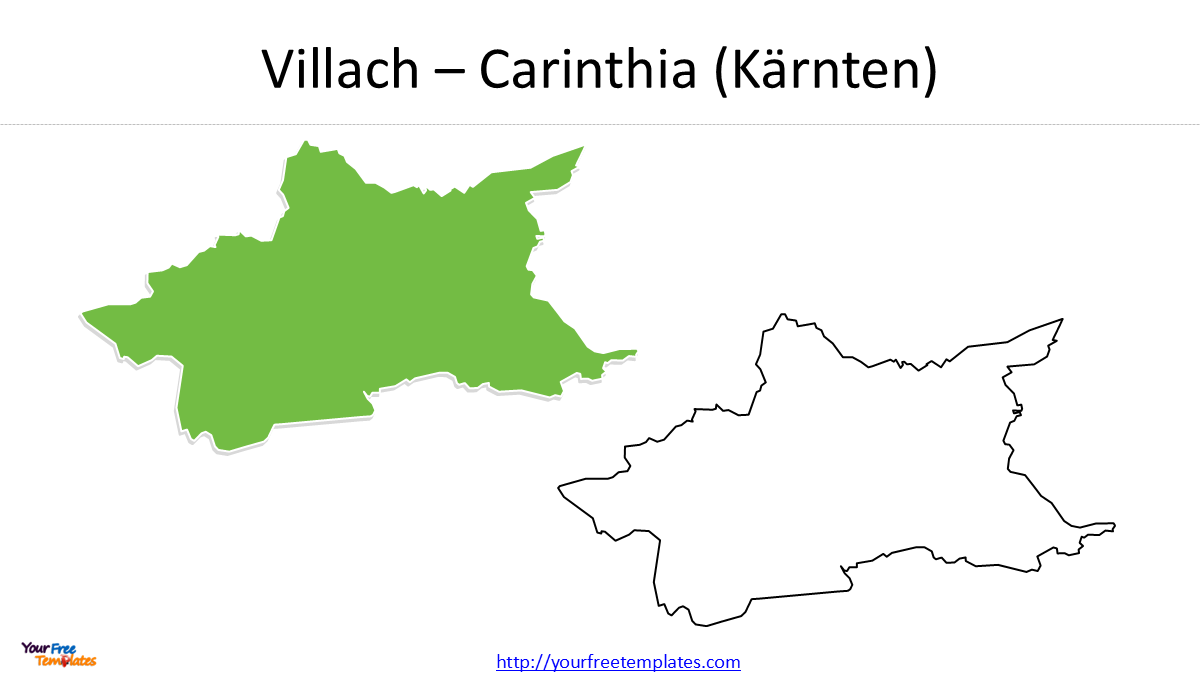
10. Villach – Carinthia (Kärnten)
Population (Municipality): Approximately 60,480 (2026 estimate)
Federal State: Carinthia (Kärnten)
Villach is the second-largest city in Carinthia and the tenth-largest municipality in Austria. Located at the confluence of the Drau and Gail rivers, Villach is a significant industrial and transport hub in southern Austria, close to the borders with Slovenia and Italy.
Economic Profile & Industry Strengths:
-
Industry: Villach is an industrial center for electrical engineering, electronics, mechanical engineering, and paper production. The city hosts major industrial employers.
-
Tourism: Villach is a gateway to the surrounding Alpine and lake regions, including Lake Ossiach and Lake Faak, popular for summer tourism.
-
Transport Hub: Villach’s position on major rail and road corridors connecting Austria to Italy, Slovenia, and the Balkans makes it a critical logistics and transport hub.
-
Cross-Border Economy: Proximity to Slovenia and Italy creates cross-border trade, labor commuting, and tourism flows.
Comparative Analysis: Key Takeaways from the Rankings
| Rank | City | Federal State | Population (approx.) | Dominant Industry |
|---|---|---|---|---|
| 1 | Vienna | Vienna | 2,031,326 | Finance, diplomacy, services, R&D |
| 2 | Graz | Styria | 298,021 | Automotive, mechanical engineering, universities |
| 3 | Linz | Upper Austria | 214,987 | Steel, digital transformation, creative industries |
| 4 | Salzburg | Salzburg | 157,245 | Tourism (Mozart, festivals), highest disposable income |
| 5 | Innsbruck | Tyrol | 141,032 | Winter tourism, alpine technology, highest growth potential |
| 6 | Klagenfurt | Carinthia | 100,316 | Summer tourism (Lake Wörthersee), industry |
| 7 | Wels | Upper Austria | 59,853 | Trade fairs, logistics, industry |
| 8 | Bregenz | Vorarlberg | 51,293 | Tourism (Lake Constance, Bregenz Festival), industry |
| 9 | Sankt Pölten | Lower Austria | 56,000 | Public administration, services |
| 10 | Villach | Carinthia | 60,480 | Industry (electronics, engineering), transport hub |
Key Observations:
-
Vienna’s Primacy: Vienna is approximately 6.8 times larger than the second-largest city (Graz), demonstrating extreme primate city dominance .
-
Regional Economic Divergence: While Vienna, Salzburg, and Tyrol have recorded positive employment growth, the industrial federal states of Upper Austria, Carinthia, and Styria have suffered from weakening production and a weak construction industry .
-
Tourism vs. Industry: The alpine federal states (Tyrol, Salzburg, Vorarlberg) are heavily dependent on tourism, while the eastern and southern states (Upper Austria, Styria, Carinthia) maintain stronger industrial bases. Each model has distinct vulnerabilities .
-
Aging Population Challenge: Klagenfurt faces the most significant demographic aging challenges among Austrian cities, with the old-age dependency ratio projected to increase across most urban centers .
-
Growth Drivers: Innsbruck holds the highest potential for future economic growth, while Salzburg offers the highest disposable income—revealing the diverse economic characters of Austria’s second-tier cities .
Download the PowerPoint Slides
This blog post is accompanied by an 11-slide PowerPoint deck:
Looking for Premium maps, please visit our affiliate site: https://editablemaps.com/ or https://ofomaps.com/
Size:170K
Type: PPTX
Top 10 Largest Cities in Austria Map Template
Click the link to download it.
Aspect Ratio: Widescreen 16:9
Click the green button to download it.
Download the 16:9 Template
References
-
Worldometer – Austria Demographics 2026: Largest Cities by Urban Area
-
Euromonitor International – Austria Cities Review, August 2024
-
GfK MACON – Austria Municipality Boundaries (Shapefile), 2006
-
YourFreeTemplates.com – Austria Map with 9 States (Free PowerPoint Template)
-
World Population Review – Austria Cities by Population 2026
-
ReHousIn – Case Study Report: Linz, April 2026
-
Geodatos – Population of Austria, April 2026
-
Immobilien Investment – Austria Europe’s Heart 2025 (Economic Report)
-
NYU Spatial Data Repository – Austria Municipality Boundaries, 2006