

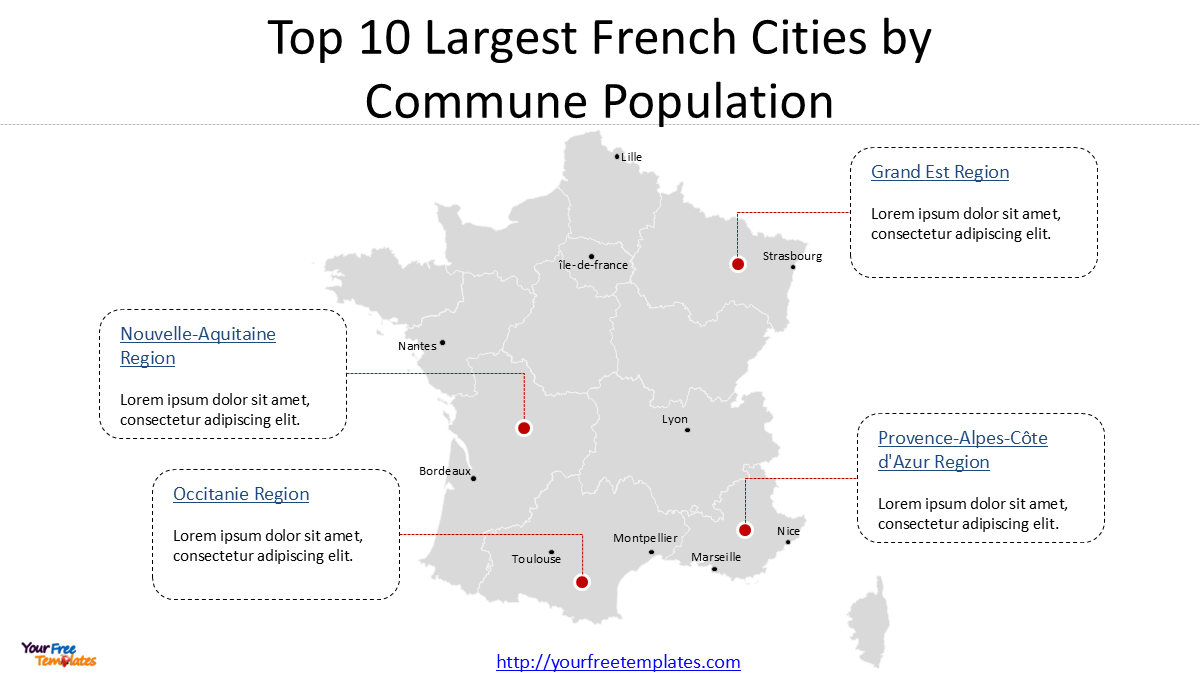
When analyzing the Top 10 Largest Cities in France: Population Ranking & Regional Breakdown, it becomes clear that France’s urban landscape is defined not only by the dominance of Paris but also by a diverse collection of regional capitals, each driving distinct economic engines. From the Mediterranean port of Marseille to the aerospace hub of Toulouse and the wine capital of Bordeaux, these cities shape the nation’s demographic and economic identity.
Below, we rank France‘s ten most populous communes—the smallest administrative level, equivalent to city limits—and explore their regional context, population figures, and key industries. To help you visualize this data, we have created an 11-slide PowerPoint deck featuring France’s national map with all ten city boundaries (commune level) on slide 1, followed by individual enlarged commune-level city limit maps for each of the ten cities on slides 2 through 11.
You can check our largest cities series as below.
- Top largest cities in UK
- Top largest cities in Germany
- Top largest cities in US
- Top largest cities in Canada
- Top largest cities in Australia
Understanding France’s Administrative Levels: Why Commune Boundaries Matter
Before diving into the rankings, it is important to understand what “city limits” mean in France. The commune is the smallest and most fundamental administrative division, equivalent to a municipality or town boundary. Each commune has its own mayor and city council. When we refer to the population of Paris, Marseille, or Lyon, we are referring to the population within that commune’s legal boundaries—not the larger metropolitan area. This distinction is critical for accurate demographic comparison. Our accompanying PowerPoint slides use precise shapefile data to outline each city at the commune level, allowing you to present clear, legally defined city limits rather than vague metropolitan approximations.
The Ranking: Top 10 Largest French Cities by Commune Population
All population figures are based on the most recent available INSEE data (2023–2026 estimates).
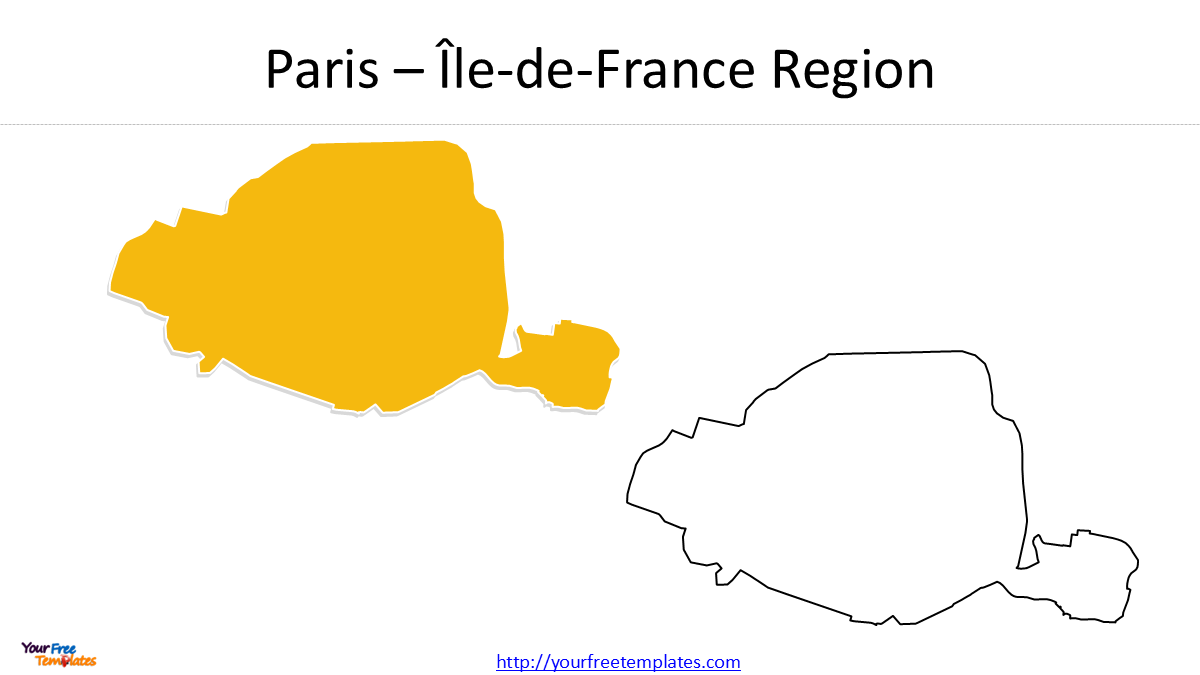
1.Largest cities in France – Paris – Île-de-France Region
Population (Commune): Approximately 2,145,000
Region: Île-de-France
Department: Paris (75)
Paris is by far the most populous commune in France, though its administrative boundaries are surprisingly compact compared to its vast metropolitan area. As the nation’s capital, Paris dominates France’s economic, political, and cultural landscape.
Economic Profile & Industry Strengths:
-
Finance & Corporate Headquarters: Paris is home to the Euronext Paris stock exchange and the headquarters of major corporations including LVMH, TotalEnergies, BNP Paribas, and AXA.
-
Technology & Startups: Station F, the world’s largest startup campus, has cemented Paris as a leading European tech hub, particularly in fintech, AI, and SaaS.
-
Tourism & Luxury: With over 30 million visitors annually, tourism drives a significant portion of the economy, supported by luxury retail, hospitality, and cultural institutions like the Louvre and Eiffel Tower.
-
Professional Services: Legal, consulting, and advertising agencies are heavily concentrated in La Défense, Europe’s largest purpose-built business district.
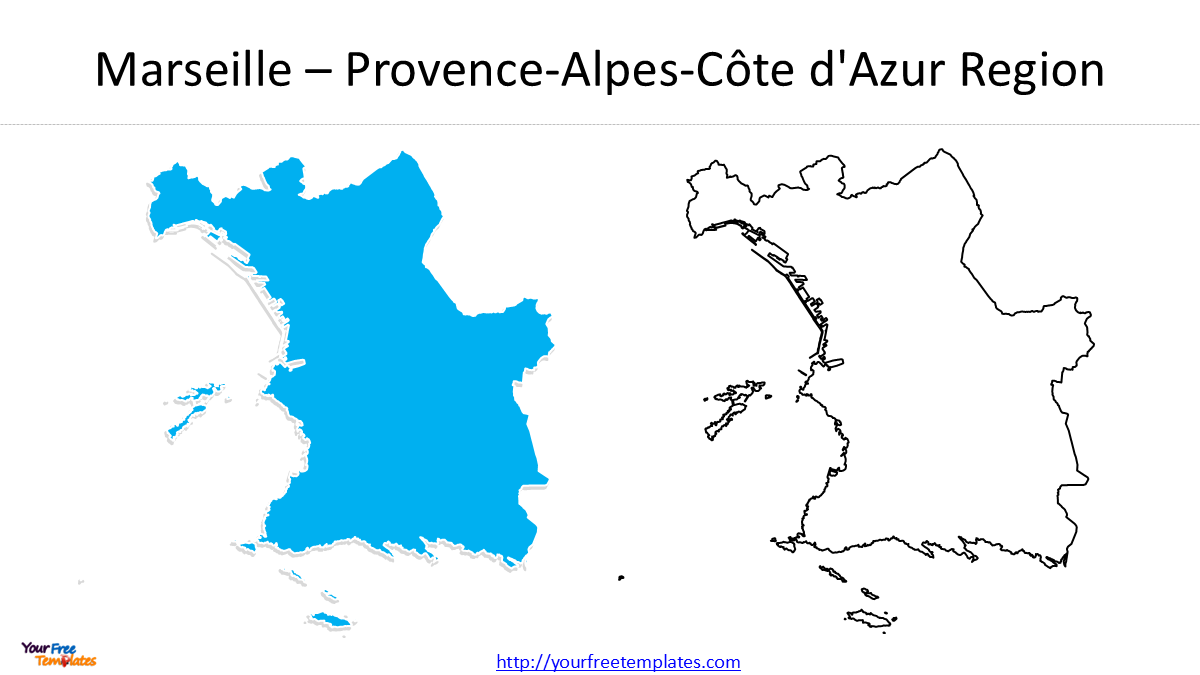
2. Largest cities in France – Marseille – Provence-Alpes-Côte d’Azur Region
Population (Commune): Approximately 873,000
Region: Provence-Alpes-Côte d’Azur
Department: Bouches-du-Rhône (13)
Marseille is France’s oldest city and the second-largest commune by population. Its Mediterranean location has shaped its identity as a port city and multicultural crossroads.
Economic Profile & Industry Strengths:
-
Maritime & Logistics: The Port of Marseille Fos is the largest commercial port in France and one of the busiest in the Mediterranean, handling container shipping, oil refining, and cruise traffic.
-
Oil & Petrochemicals: The Fos-sur-Mer industrial zone hosts major refineries and chemical plants, making energy a cornerstone of the local economy.
-
Marine Biology & Research: The Mediterranean Institute of Oceanography and numerous marine research centers are based here.
-
Tourism: The Old Port, Calanques National Park, and Notre-Dame de la Garde attract millions of visitors annually.
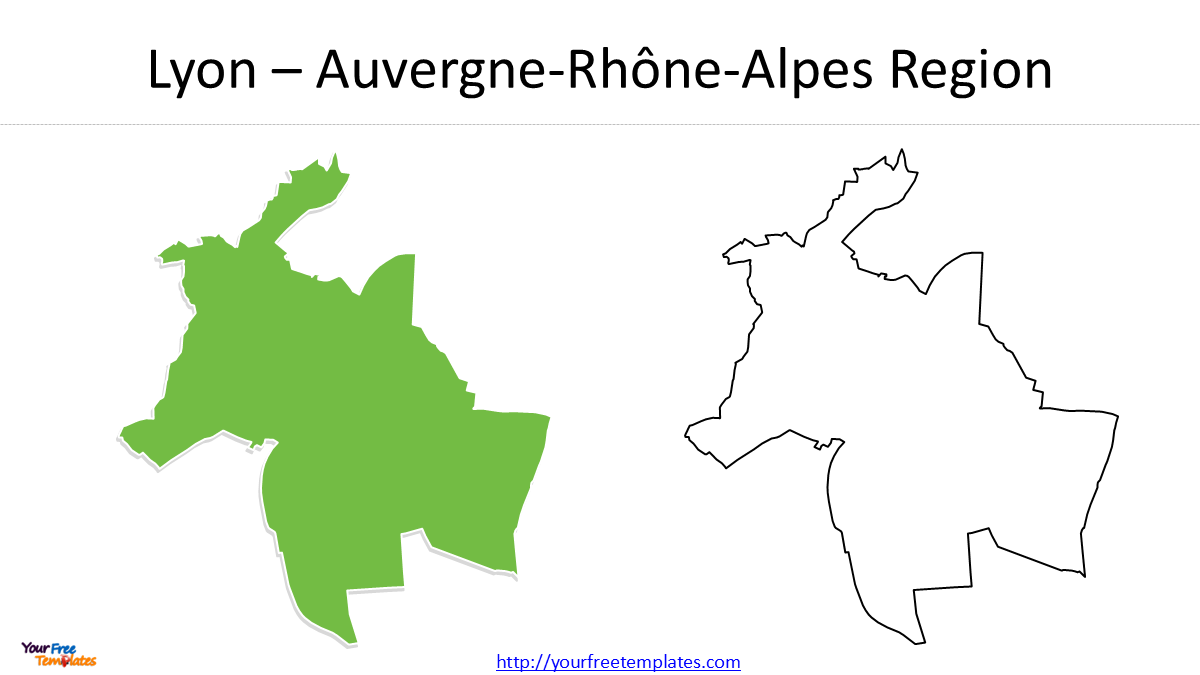
3.Largest cities in France – Lyon – Auvergne-Rhône-Alpes Region
Population (Commune): Approximately 522,000
Region: Auvergne-Rhône-Alpes
Department: Rhône (69)
Lyon is France’s third-largest commune and a historic capital of gastronomy, silk weaving, and banking. Its strategic location between Paris and the Mediterranean has made it a logistical and industrial powerhouse.
Economic Profile & Industry Strengths:
-
Life Sciences & Biotech: Lyonbiopôle is one of Europe’s leading clusters for infectious disease research, vaccine development, and diagnostic manufacturing.
-
Chemicals & Materials: The chemical valley south of Lyon produces specialty chemicals, plastics, and pharmaceutical ingredients.
-
Banking & Insurance: Crédit Lyonnais (now LCL) and numerous regional banks are headquartered here.
-
Gastronomy & Culinary Arts: With over 4,000 restaurants, Lyon is considered France’s culinary capital, hosting the renowned Bocuse d’Or competition.
-
Digital & Gaming: The city has a growing video game and visual effects sector, with studios like Eden Games and Ivory Tower.
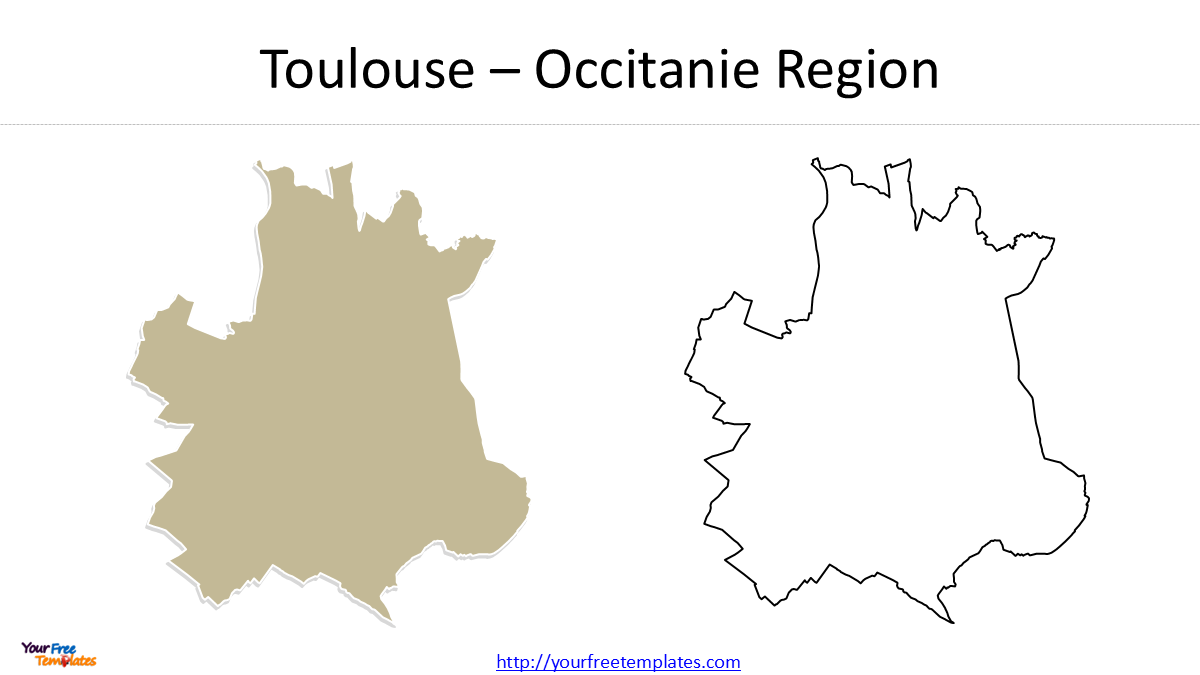
4.Largest cities in France – Toulouse – Occitanie Region
Population (Commune): Approximately 504,000
Region: Occitanie
Department: Haute-Garonne (31)
Toulouse, nicknamed “La Ville Rose” (The Pink City) for its terracotta brick architecture, is France’s fastest-growing major city. Its economy is heavily tied to aerospace and defense.
Economic Profile & Industry Strengths:
-
Aerospace & Defense: Toulouse is the European capital of aerospace, hosting the Airbus headquarters, final assembly lines for the A320, A330, A350, and A380, and numerous suppliers including Thales Alenia Space and Dassault.
-
Space & Satellites: The National Centre for Space Studies (CNES) and numerous satellite manufacturers are based here.
-
Research & Universities: The University of Toulouse is one of France’s oldest and largest, producing a highly skilled engineering workforce.
-
Healthcare & Biotech: The Oncopole cancer research center is a major employer.
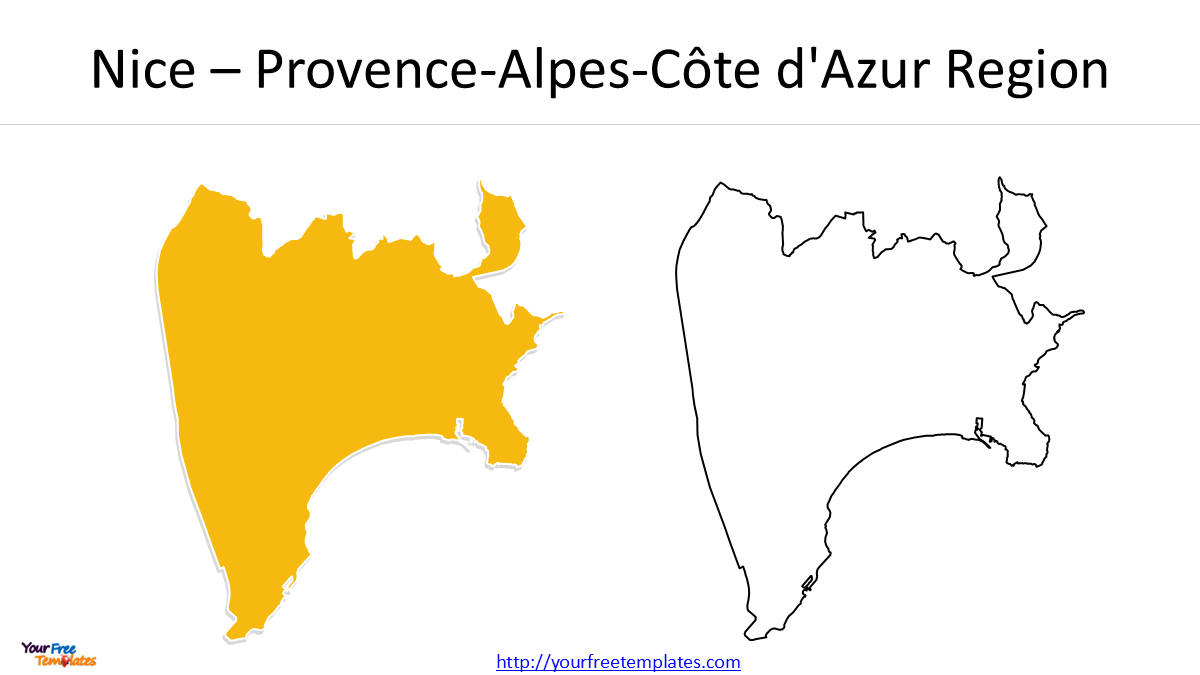
5.Largest cities in France – Nice – Provence-Alpes-Côte d’Azur Region
Population (Commune): Approximately 348,000
Region: Provence-Alpes-Côte d’Azur
Department: Alpes-Maritimes (06)
Nice is the fifth-largest commune in France and the leading city of the French Riviera (Côte d’Azur). Its economy is dominated by tourism, but technology is growing rapidly.
Economic Profile & Industry Strengths:
-
Tourism & Hospitality: Nice is the gateway to the French Riviera, attracting millions of visitors to its beaches, Promenade des Anglais, and nearby Monaco.
-
Technology & Telecoms: The Nice Sophia Antipolis technology park—the first science park in Europe—hosts over 2,500 companies, including Amadeus (global travel technology), Accenture, and SAP.
-
Convention & Events: The Acropolis convention center hosts major international conferences, including the annual World Summit on the Information Society.
-
Maritime & Yachting: Luxury yacht services, refit yards, and port management are significant employers.
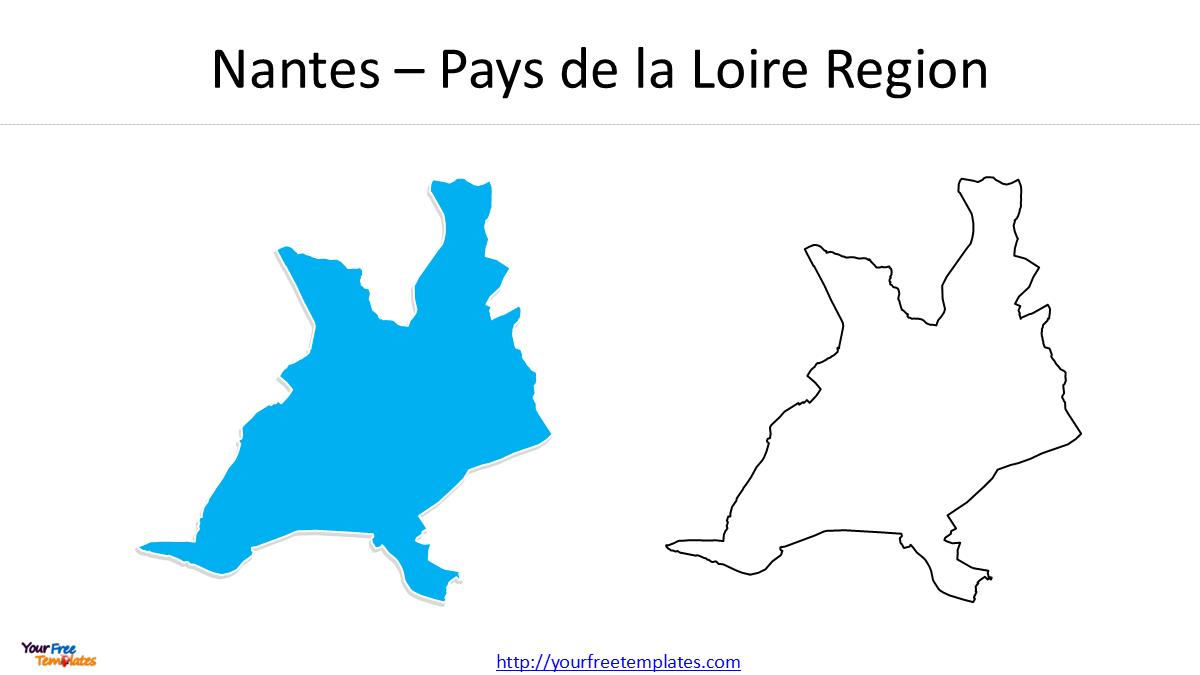
6. Largest cities in France – Nantes – Pays de la Loire Region
Population (Commune): Approximately 323,000
Region: Pays de la Loire
Department: Loire-Atlantique (44)
Nantes, historically the capital of the Duchy of Brittany, is now a thriving creative and industrial city. It has transformed from a traditional port into a hub for creative industries and green technology.
Economic Profile & Industry Strengths:
-
Creative & Cultural Industries: Nantes is a UNESCO City of Design, with a thriving digital arts, music, and design sector. The annual Voyage à Nantes art festival draws international attention.
-
Aerospace & Defense: Airbus Defense and Space and Safran have major facilities in the region.
-
Logistics & Transport: Nantes is a major inland port connected to the Atlantic, handling container traffic and bulk goods.
-
Renewable Energy: Offshore wind and marine renewable energy (tidal and wave power) are growing sectors, with several R&D centers located here.
-
Food Processing: The surrounding agricultural region supports a strong food and beverage industry.
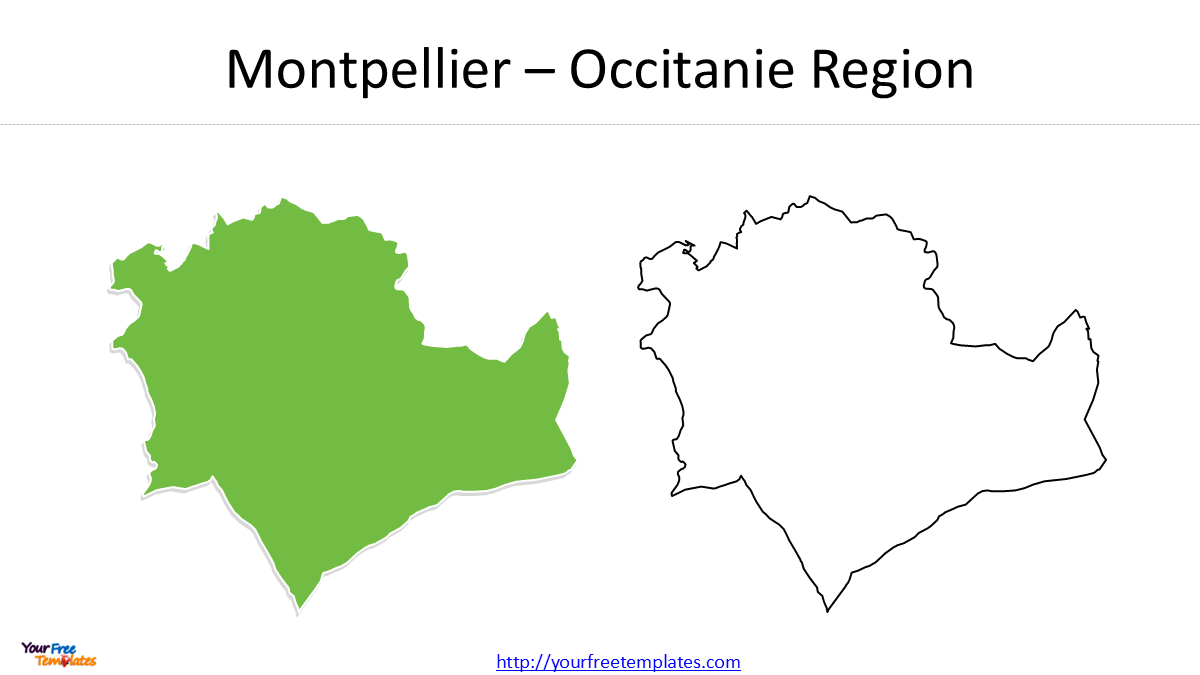
7. Largest cities in France – Montpellier – Occitanie Region
Population (Commune): Approximately 302,000
Region: Occitanie
Department: Hérault (34)
Montpellier is one of France’s youngest and fastest-growing cities by population, driven by its massive student population and technology sector. Its medieval center contrasts with modern business districts.
Economic Profile & Industry Strengths:
-
Healthcare & Medical Tech: The Montpellier University Hospital is one of Europe’s largest, and the Euromédecine technopole focuses on biomedical research, e-health, and medical devices.
-
Digital & IT: Montpellier has a vibrant startup ecosystem, particularly in software development, cybersecurity, and video games, supported by incubators like BIC Montpellier.
-
Agritech & Water Management: Given its Mediterranean climate, water technology and agricultural innovation are key specializations.
-
Education & Research: With over 80,000 students, the University of Montpellier (one of the world’s oldest medical schools) drives research and talent development.
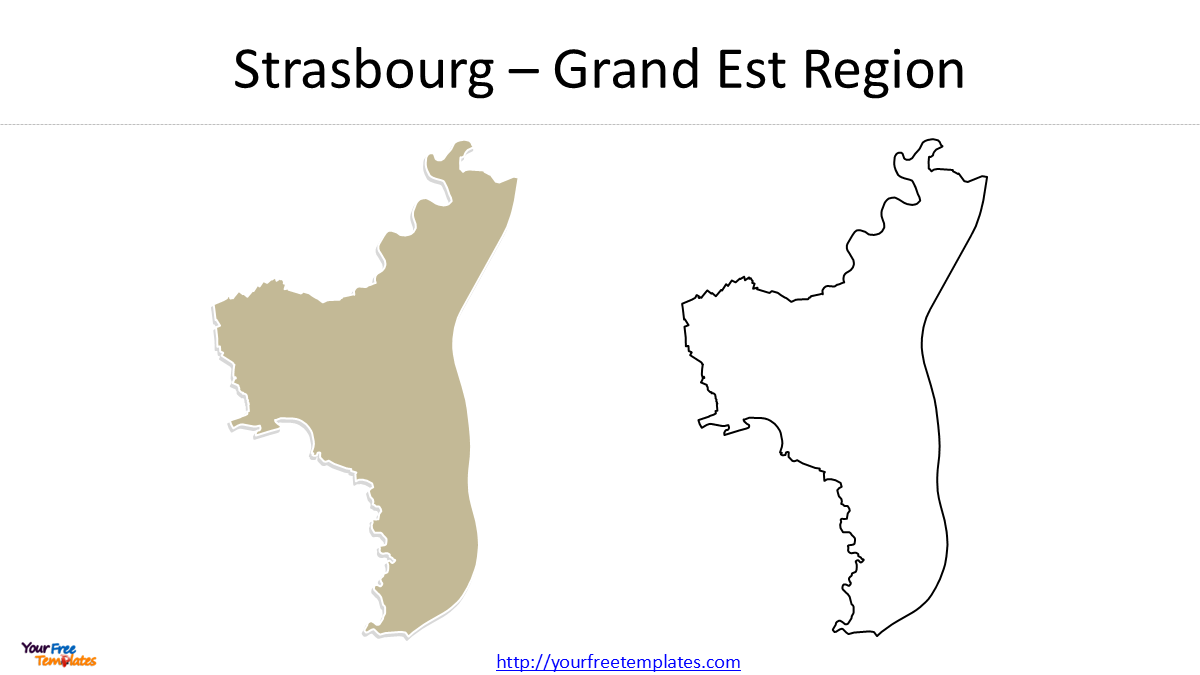
8. Largest cities in France – Strasbourg – Grand Est Region
Population (Commune): Approximately 291,000
Region: Grand Est
Department: Bas-Rhin (67)
Strasbourg, situated on the Franco-German border, is a symbol of European integration. Its economy is uniquely shaped by supranational institutions and cross-border commerce.
Economic Profile & Industry Strengths:
-
European Institutions: Strasbourg hosts the European Parliament (12 plenary sessions annually), the Council of Europe, and the European Court of Human Rights. These institutions drive a significant diplomatic, legal, and translation services economy.
-
Legal & Lobbying Services: A dense network of law firms, lobbyists, and NGOs serves the EU institutions.
-
Pharmaceuticals & Biotechnology: Pfizer, Lilly, and other pharmaceutical giants have major research and manufacturing facilities in the region.
-
Automotive & Engineering: The region has a strong automotive parts supply chain, leveraging proximity to German industry.
-
Tourism: The historic Grande Île (a UNESCO site), Strasbourg Cathedral, and famous Christmas market attract millions of visitors.
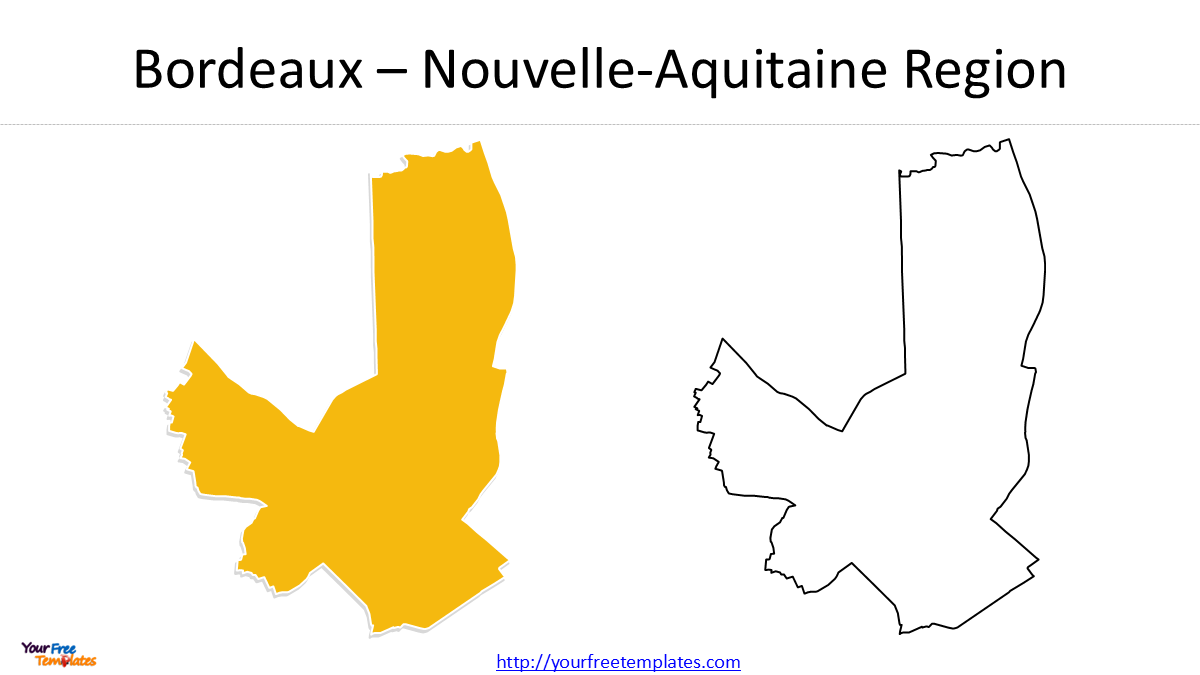
9.Largest cities in France – Bordeaux – Nouvelle-Aquitaine Region
Population (Commune): Approximately 260,000
Region: Nouvelle-Aquitaine
Department: Gironde (33)
Bordeaux has undergone a remarkable urban renaissance in the past two decades. While still synonymous with wine, its economy has diversified into aerospace, defense, and digital technology.
Economic Profile & Industry Strengths:
-
Wine & Viticulture: The Bordeaux wine region produces over 700 million bottles annually, supporting a massive ecosystem of vineyards, négociants, logistics, and wine tourism.
-
Aerospace & Defense: Dassault Aviation (Rafale fighter jet assembly), Thales, and Safran have major facilities. The Mérignac airport area is a defense and aviation cluster.
-
Digital & Tech: The Bordeaux Métropole Digital Hub has attracted startups in AI, e-commerce, and software development.
-
Laser & Photonics: The ALPhANOV technology center specializes in lasers and optical systems for industrial and medical applications.
-
Tourism: The UNESCO-listed Port of the Moon, Place de la Bourse, and nearby Saint-Émilion drive a robust tourism sector.
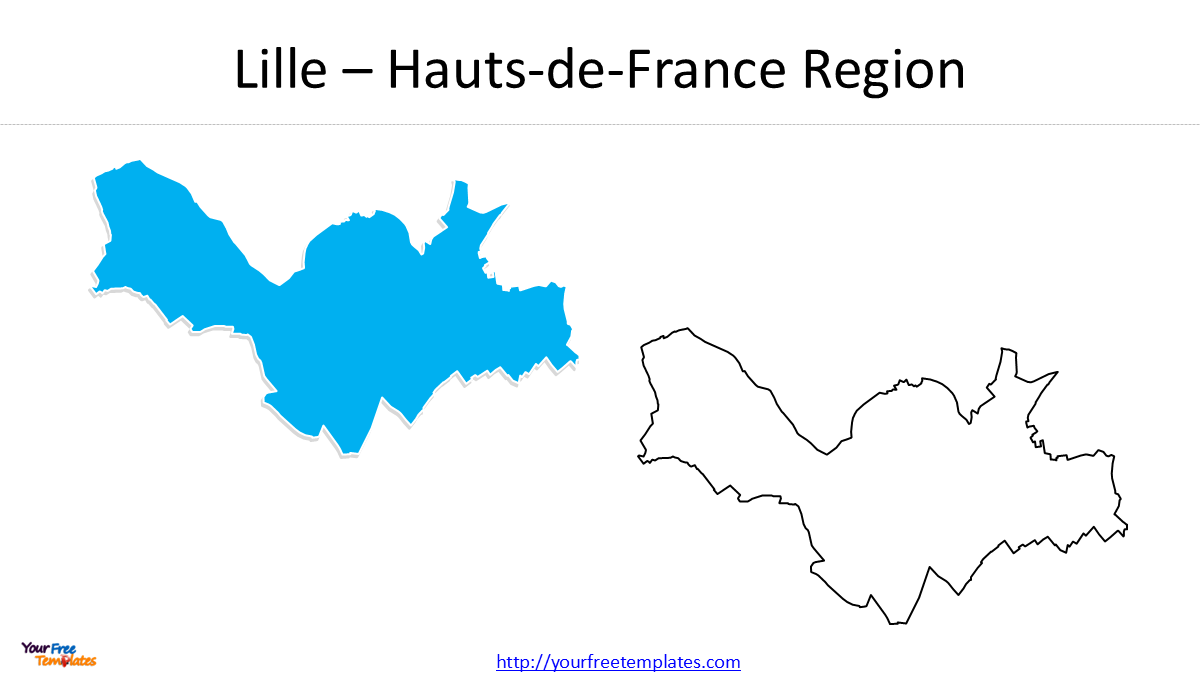
10.Largest cities in France – Lille – Hauts-de-France Region
Population (Commune): Approximately 236,000
Region: Hauts-de-France
Department: Nord (59)
Lille, the capital of Hauts-de-France, is a dynamic commercial and logistical hub located at the crossroads of Northern Europe. Its proximity to Brussels, London, and Paris makes it a strategic center for distribution and retail.
Economic Profile & Industry Strengths:
-
Logistics & Distribution: Lille is a major European freight hub, served by high-speed rail (Eurostar, TGV), motorways, the nearby Port of Dunkirk, and the Lille-Lesquin airport cargo center.
-
Retail & E-commerce: The city is a laboratory for retail innovation, with major headquarters for Auchan (global retail giant), Decathlon (sporting goods), and Leroy Merlin (home improvement) all founded in the region.
-
Healthcare & Medical Research: The Lille University Hospital and the Institut Pasteur de Lille are renowned for research in cardiovascular disease, diabetes, and aging.
-
Banking & Insurance: Several regional and national banks are headquartered here.
-
Textile & Materials: The historical textile industry has evolved into advanced technical textiles, composites, and fiber materials.
Why This Blog Series Matters for Your Presentations
The Top 10 Largest Cities in France is just the first installment in a series that will explore French administrative geography. Upcoming posts will cover:
-
Top 10 Cities by Metropolitan Area Population (including suburbs and commuter zones)
-
Top 10 Fastest-Growing French Cities (2019–2026)
-
Top 10 French Cities by Economic Output (GDP per Commune)
Each post will be accompanied by downloadable PowerPoint slides with accurate shapefile-based commune, department, or EPCI boundaries—making yourfreetemplates.com the go-to resource for geospatial presentation materials.
Download the PowerPoint Slides
This blog post is accompanied by an 11-slide PowerPoint deck:
-
Slide 1: National map of France with commune-level boundaries for all ten cities highlighted
-
Slides 2–11: Enlarged commune-level city limit maps for Paris, Marseille, Lyon, Toulouse, Nice, Nantes, Montpellier, Strasbourg, Bordeaux, and Lille
These slides are fully editable, allowing you to add your own population data, economic notes, or color coding. Visit yourfreetemplates.com to download the complete deck.
Looking for Premium maps, please visit our affiliate site: https://editablemaps.com/ or https://ofomaps.com/
Size:170K
Type: PPTX
Top 10 Largest Cities in France Map Template
Click the link to download it.
Aspect Ratio: Widescreen 16:9
Click the green button to download it.
Download the 16:9 Template