

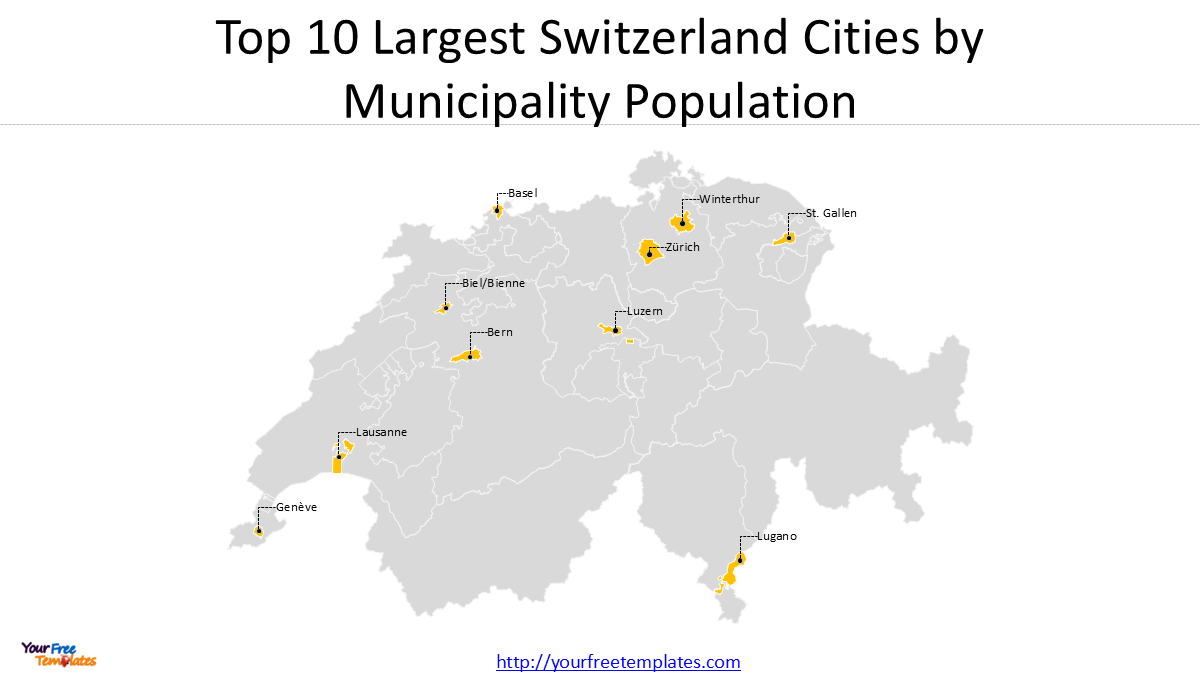
When analyzing the largest cities in Switzerland, it becomes evident that this Alpine nation of approximately 9 million people is defined by a unique decentralized urban structure, with no single dominant primate city but rather a network of specialized regional capitals. Zurich, the largest city with 444,078 residents, serves as the global financial heart, while Geneva (211,713) functions as the diplomatic capital of the world, Basel (179,455) leads in life sciences, and Bern (139,624) serves as the federal political center. Unlike highly centralized countries such as France or Austria, Switzerland’s federalist system has fostered a polycentric urban landscape where each major city has developed distinct economic specializations.
Below, we rank Switzerland’s ten most populous municipalities—the administrative level equivalent to city limits—and explore their regional context, population figures, and key industries. To help you visualize this data, we have created an 11-slide PowerPoint deck featuring the national map of Switzerland with all ten city boundaries (municipality level) on slide 1, followed by individual enlarged municipality-level city limit maps for each of the ten cities on slides 2 through 11.
You can check our largest cities series as below.
- Top 10 Largest Cities in France
- Top 10 Largest Cities in Netherlands
- Top largest cities in UK
- Top largest cities in Germany
- Top largest cities in US
- Top largest cities in Canada
- Top largest cities in Australia
- Top largest cities in Austria
Understanding Switzerland’s Administrative Levels: Municipality (Gemeinde/Commune) Boundaries
Before diving into the rankings, it is important to understand what “city limits” mean in Switzerland. The municipality (Gemeinde in German, commune in French, comune in Italian) is the smallest administrative division in Switzerland. As of 2026, Switzerland has approximately 2,100 municipalities, each with its own elected municipal council and executive.
The Federal Statistical Office provides generalized administrative boundaries (G1 dataset) that include simplified geometries for all Swiss administrative units since 1850, updated annually. This data is well-suited for producing thematic maps at smaller scales (approximately 1:250,000 to 1:500,000), enabling the visualization of statistical data for municipalities, districts, and cantons. Our accompanying PowerPoint slides use shapefile data from such sources, allowing you to present clear, legally defined city limits rather than vague metropolitan approximations.
Switzerland’s 26 cantons (or 20 full cantons and 6 half-cantons) oversee these municipalities, handling responsibilities ranging from education and healthcare to tax collection and infrastructure. When we refer to the population of Zurich, Geneva, or Basel, we are referring to the population within that municipality’s legal boundaries—not the larger metropolitan area. This distinction is critical for accurate demographic comparison, as many Swiss cities have expansive agglomerations that extend well beyond municipal limits.
The Swiss Urban Hierarchy: Decentralized Federalism
Unlike France‘s extreme primacy (Paris is 6.8 times larger than Lyon) or Austria’s Vienna dominance (6.8 times larger than Graz), Switzerland exhibits a remarkably balanced urban structure. Zurich, the largest city, is only approximately 2.1 times larger than Geneva (2nd) and approximately 2.5 times larger than Basel (3rd). This polycentric pattern reflects Switzerland’s deep federalist tradition, where political and economic power has never been excessively concentrated in a single capital.
The Cantonal Competitiveness Indicator (CCI) 2025 from UBS reveals that the canton of Zug demonstrates the highest long-term competitiveness among all Swiss cantons, followed by Basel-Stadt in second place and Zurich completing the top three. Notably, Vaud (home to Lausanne) and Geneva have seen significant improvements in their growth prospects, gaining three and two places respectively compared to the 2023 edition. This suggests that western Switzerland is gaining economic momentum relative to the historically dominant German-speaking cantons.
The Ranking: Top 10 Largest Swiss Cities by Municipality Population
All population figures are based on 2025-2026 data from Worldometer, World Population Review, and other authoritative sources.
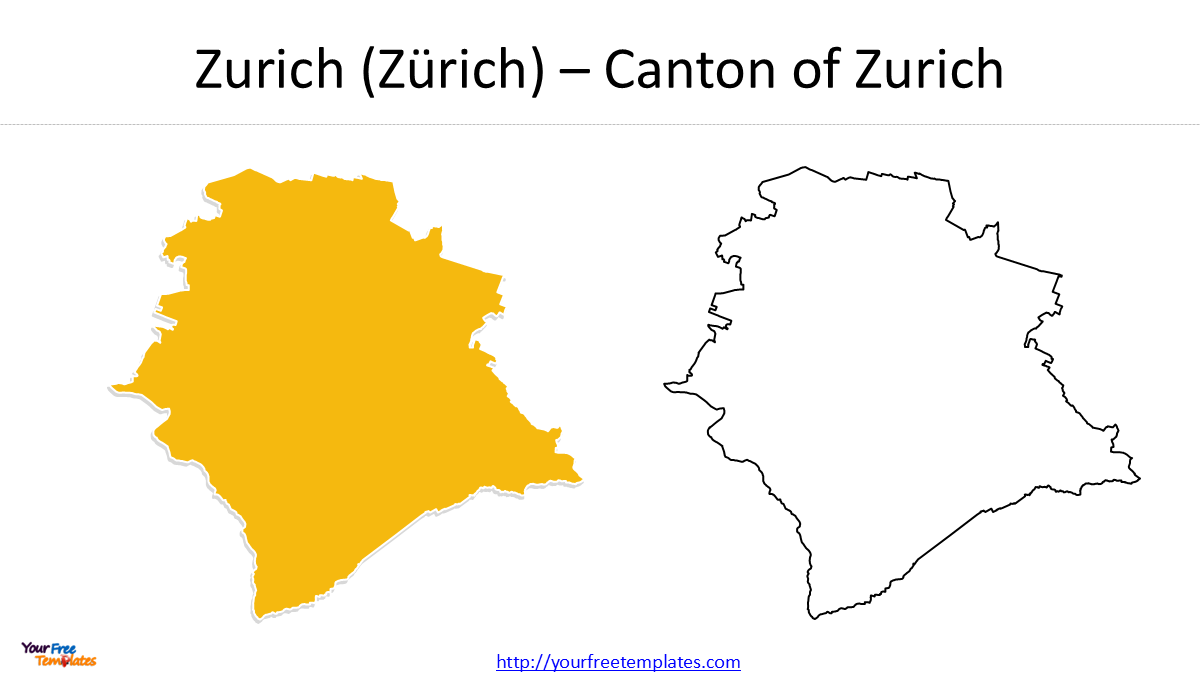
1. Largest Cities in Switzerland-Zurich (Zürich) – Canton of Zurich
Population (Municipality): Approximately 444,078 (2026 estimate); 689,657 (urban agglomeration)
Canton: Zurich (Zürich)
Metropolitan Area: Approximately 1.83 million
Zurich is the largest city in Switzerland and the capital of the canton of Zurich. Located in north-central Switzerland along the Limmat River and the northwestern tip of Lake Zurich, the city serves as the nation’s primary hub for railways, roads, and air traffic. It has been rated as one of the most livable cities in the world by the United Nations Human Settlements Program for many years.
Economic Profile & Industry Strengths:
-
Global Financial Center: Zurich is Switzerland’s undisputed financial capital and one of the world’s leading financial centers. The city hosts the headquarters of major global banks including UBS (Switzerland’s largest bank), Credit Suisse (now part of UBS), and Zurich Insurance Group. The Swiss Stock Exchange (SIX Swiss Exchange) is headquartered here, making Zurich the primary trading venue for Swiss securities.
-
Gold Trading Hub: Zurich is the world’s second-largest gold trading market after London. Approximately 70% of all gold trading in Western Europe passes through Zurich’s precious metals refining and trading facilities. The city’s gold vaults and refineries process bullion from around the world.
-
Private Banking & Wealth Management: Zurich is often called the “European Billionaires’ Capital” due to its concentration of private banks and wealth management firms. Over 120 banks operate in Zurich, more than half of which are foreign institutions serving high-net-worth clients from around the globe.
-
Technology & Innovation: Zurich has emerged as a leading European tech hub, anchored by ETH Zurich (Swiss Federal Institute of Technology)—one of the world’s premier science and technology universities, where Albert Einstein studied and taught. The city hosts numerous AI, fintech, and deep-tech startups.
-
Life Sciences & Medical Technology: The Zurich Life Sciences cluster includes major pharmaceutical companies, biotech startups, and MedTech firms. The University Hospital Zurich (USZ) is one of Switzerland’s leading medical research centers.
-
Economic Scale: According to Swiss statistical data, the canton of Zurich (which encompasses the city and surrounding region) achieved a gross domestic product of approximately 164.5 billion Swiss francs in 2022, with economic growth of 3.8%. The canton is also the most populous in Switzerland, with approximately 1.58 million residents.
-
Major Employers: Key employers include UBS, Credit Suisse, Zurich Insurance, Swiss Re, ABB, Google (which has a major European engineering hub in Zurich), and numerous pharmaceutical firms.
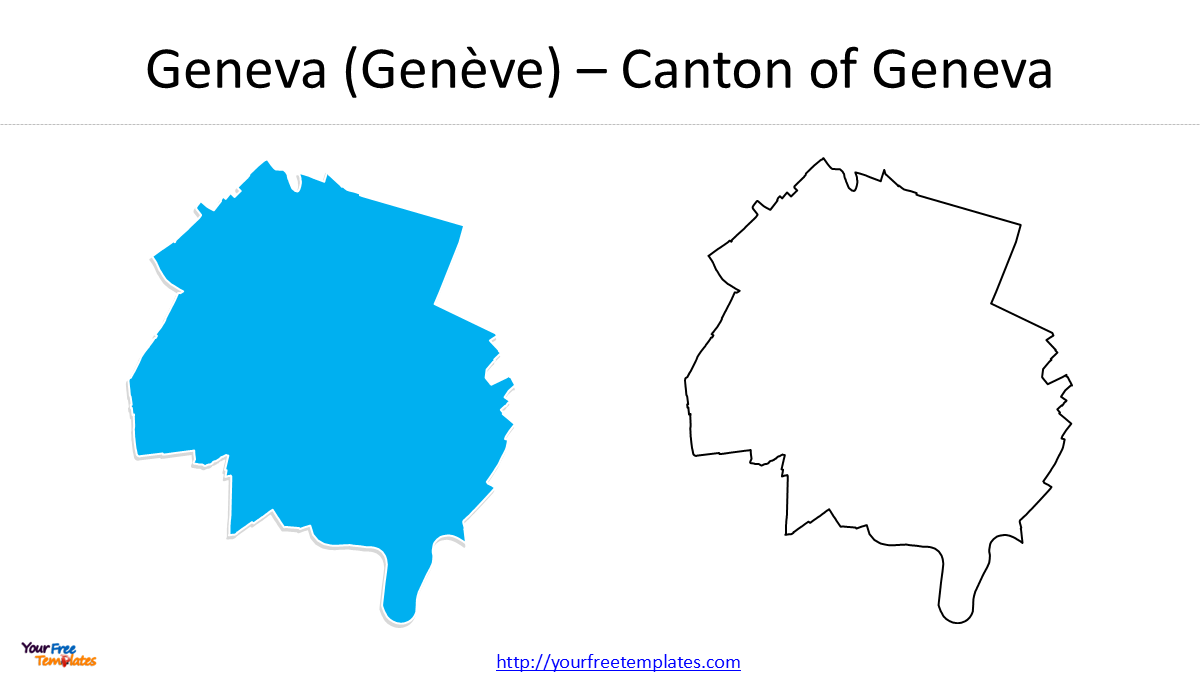
2. Largest Cities in Switzerland-Geneva (Genève) – Canton of Geneva
Population (Municipality): Approximately 211,713 (2026 estimate); 436,587 (urban agglomeration)
Canton: Geneva (Genève)
Metropolitan Area: Approximately 504,128 (canton population)
Geneva is Switzerland’s second-largest city and the capital of the canton of Geneva. Located on the southwestern tip of Lake Geneva (Lac Léman) at the outflow of the Rhône River, the city is a global diplomatic hub and one of the world’s most important centers for international cooperation.
Economic Profile & Industry Strengths:
-
Diplomatic & International Hub: Geneva is often called the “Capital of Peace” due to its concentration of international organizations. The city hosts the European headquarters of the United Nations (UNOG), the World Health Organization (WHO), the International Labour Organization (ILO), the World Trade Organization (WTO), the World Economic Forum (WEF—though headquartered in Cologny near Geneva), the International Committee of the Red Cross (ICRC), and over 200 other international NGOs and diplomatic missions.
-
International Conference & Event Economy: The concentration of international organizations generates a significant conference, translation, legal, and hospitality economy. Thousands of international civil servants, diplomats, and delegates work in Geneva, contributing substantially to local employment and tax revenues.
-
Private Banking & Wealth Management: Like Zurich, Geneva is a major center for private banking, wealth management, and commodity trading. The city has historically specialized in managing assets for European aristocrats and Middle Eastern clients. Geneva is also a global center for oil, grain, and soft commodity trading.
-
Biotechnology & Life Sciences: Geneva and the surrounding Canton of Vaud have developed a thriving biotech and MedTech cluster. The Campus Biotech and associated research institutes have attracted major pharmaceutical companies and innovative startups.
-
Luxury Watchmaking & Jewelry: Geneva is the historic heart of Swiss luxury watchmaking, home to prestigious brands including Patek Philippe, Rolex (headquarters in nearby Acacias), Vacheron Constantin, and Piaget.
-
Improved Competitiveness: According to the UBS Cantonal Competitiveness Indicator 2025, Geneva has seen significant improvement in its growth prospects, gaining two places compared to 2023. However, the canton faces fiscal challenges, with a projected deficit of 409.4 million francs for 2026, leading to proposed austerity measures including the suspension of annuity payments for civil servants.
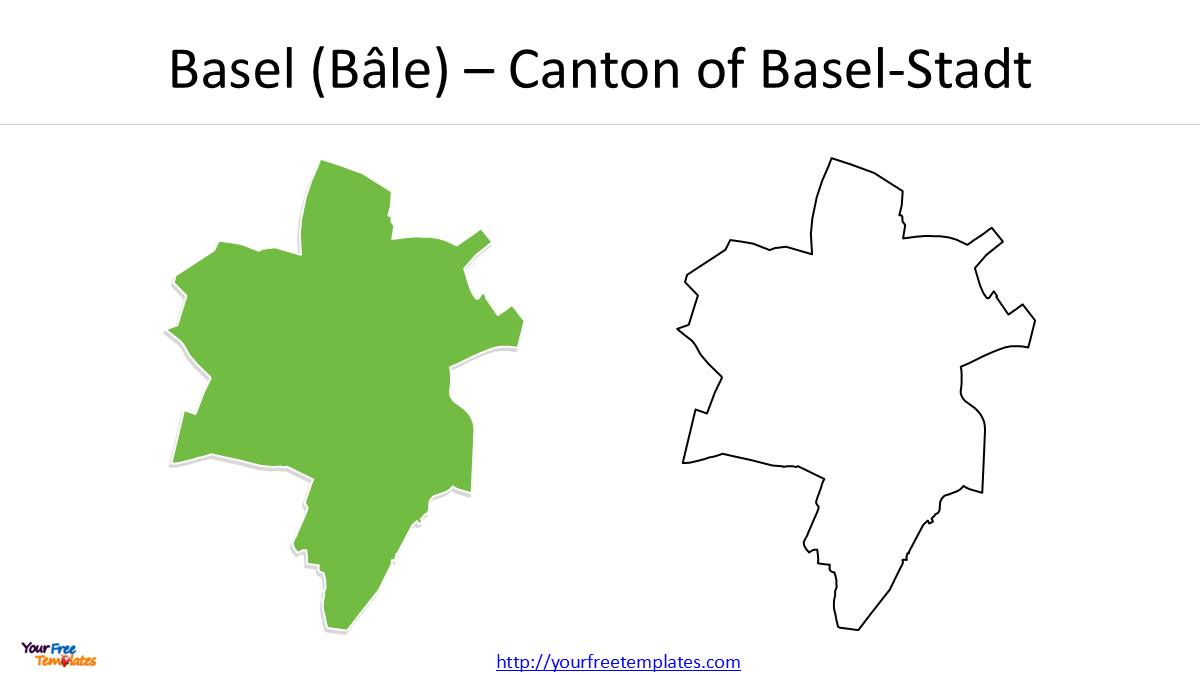
3. Largest Cities in Switzerland-Basel (Bâle) – Canton of Basel-Stadt
Population (Municipality): Approximately 179,455 (2026 estimate); 333,021 (urban agglomeration)
Canton: Basel-Stadt (half-canton)
Basel is Switzerland’s third-largest city and the capital of the half-canton of Basel-Stadt. Located on the Rhine River at the tripoint where Switzerland, Germany, and France meet, Basel is Switzerland’s primary pharmaceutical and life sciences hub and the country’s only major port.
Economic Profile & Industry Strengths:
-
Pharmaceutical & Life Sciences Powerhouse: Basel is the global headquarters of two of the world’s largest pharmaceutical companies—Novartis and Roche. These two giants dominate the local economy, employing tens of thousands of scientists, researchers, and support staff. The city is also home to numerous biotech startups, contract research organizations (CROs), and pharmaceutical service providers.
-
Chemical Industry: Historically, Basel was a center for the dyestuffs and chemical industry, which evolved into the modern pharmaceutical sector. The chemical industry remains significant, with companies like Clariant and BASF maintaining operations in the region.
-
Port & Logistics: Basel’s Rhine port is Switzerland’s only direct access to international shipping routes, connecting the country to the North Sea via the Rhine-Rhône corridor. The port handles bulk goods, containers, and liquid cargo, serving as a critical logistics hub for Swiss industry.
-
Art & Cultural Hub: Basel is Switzerland’s cultural capital, home to over 40 museums—the highest density of museums in the country. Art Basel, the world’s premier international art fair, originated here and remains a major annual event.
-
Competitiveness Ranking: Basel-Stadt ranks second in the UBS Cantonal Competitiveness Indicator 2025, behind only Zug. The canton demonstrates strong innovation capacity, a highly educated workforce, and excellent economic structure.
-
Export Vulnerability: Despite its strengths, Basel-Stadt faces challenges due to its export dependency, particularly on the pharmaceutical sector. The canton could face particular challenges from trade barriers and tariffs, given its focus on the export-dependent pharmaceutical industry.
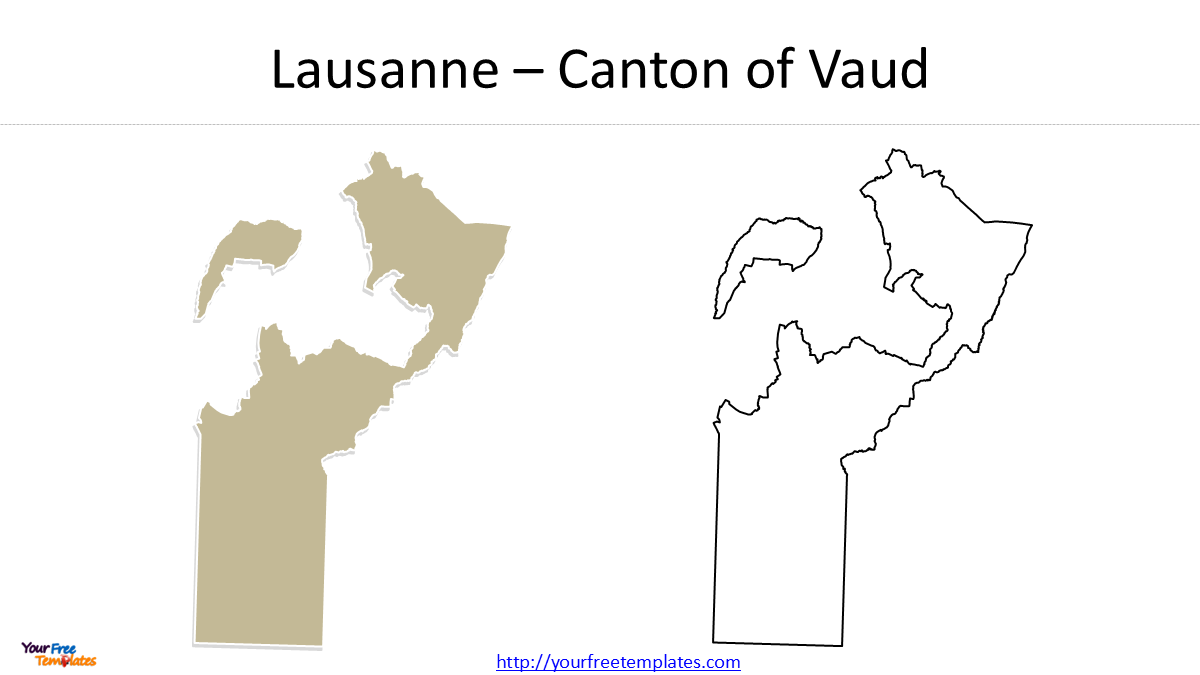
4. Largest Cities in Switzerland-Lausanne – Canton of Vaud
Population (Municipality): Approximately 147,267 (2026 estimate); 293,509 (urban agglomeration)
Canton: Vaud
Metropolitan Area: Approximately 420,000
Lausanne is Switzerland’s fourth-largest city and the capital of the canton of Vaud. Located on the northern shore of Lake Geneva (Lac Léman), Lausanne serves as the headquarters of the International Olympic Committee (IOC) and is known as the “Olympic Capital”. The city is built on three hills, creating a dramatic topography with steep streets and stunning lake views.
Economic Profile & Industry Strengths:
-
Olympic Movement Economy: Lausanne hosts the International Olympic Committee (IOC) headquarters, as well as over 50 international sports federations and organizations. This concentration generates a specialized economy in sports administration, event management, sports law, and sports marketing.
-
Higher Education & Research: Lausanne is home to the École Polytechnique Fédérale de Lausanne (EPFL)—one of Europe’s leading science and technology universities—and the University of Lausanne (UNIL). These institutions drive innovation in engineering, computer science, life sciences, and digital technologies.
-
Watchmaking & Luxury Goods: Lausanne is part of the “Swiss Watchmaking Arc” that stretches from Geneva to Basel. The region hosts headquarters and manufacturing facilities for luxury watch brands and related suppliers.
-
Improved Competitiveness: According to the UBS Cantonal Competitiveness Indicator 2025, Vaud has seen the most significant improvement among all Swiss cantons, gaining three places since 2023. This reflects strong performance in innovation, human capital, and labor market dynamics.
-
Fiscal Challenges: Despite its economic strengths, the canton of Vaud faces significant fiscal pressures. The 2026 budget projects a deficit of 331 million francs, with cost-cutting measures targeting the public sector, health, and social services.
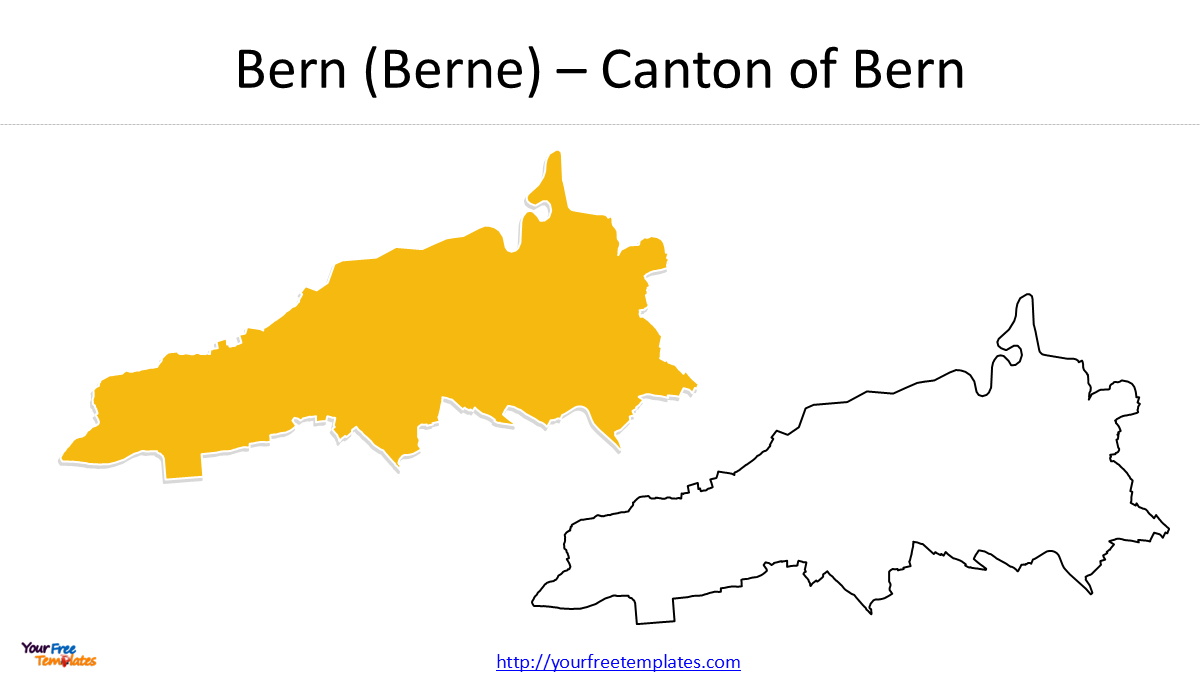
5. Largest Cities in Switzerland-Bern (Berne) – Canton of Bern
Population (Municipality): Approximately 139,624 (2026 estimate); 206,716 (urban agglomeration)
Canton: Bern (Bern / Berne)
Bern is Switzerland’s fifth-largest city and the de facto federal capital (Bundesstadt). While Switzerland has no official “capital city,” Bern serves as the seat of the Swiss Federal Government, parliament, and federal administration. The city is known for its exceptionally well-preserved medieval old town, a UNESCO World Heritage Site, with 6 kilometers of covered arcades (Lauben).
Economic Profile & Industry Strengths:
-
Federal Government & Public Administration: As the seat of the Swiss Federal Assembly (parliament), Federal Council (executive branch), and federal departments, Bern’s economy is heavily influenced by public administration. Thousands of civil servants, lobbyists, and political staff work in the city.
-
Federal Chancellery & Agencies: Bern hosts numerous federal agencies, including the Swiss National Bank (headquarters in Bern and Zurich), the Federal Supreme Court (though located in Lausanne), and various federal offices responsible for health, social security, and economic affairs.
-
Services & Insurance: Bern has a strong insurance and pension fund sector, with major employers including Swiss Post, SBB (Swiss Federal Railways), and various private insurance companies.
-
Higher Education: The University of Bern and the Bern University of Applied Sciences (BFH) contribute to the local economy and innovation ecosystem, particularly in medicine, veterinary science, and physics.
-
Tax Reduction Plans: The canton of Bern is planning significant tax reductions, aiming to cut taxes by approximately 440 million francs by 2029. For 2026, the Bernese cantonal government expects a revenue increase of 365 million francs, despite fiscal pressures in other cantons.
-
Moderate Competitiveness: According to the CCI 2025, Bern is among the cantons with moderate competitiveness, showing notable progress in the labor market and cost environment dimensions compared to the previous edition.
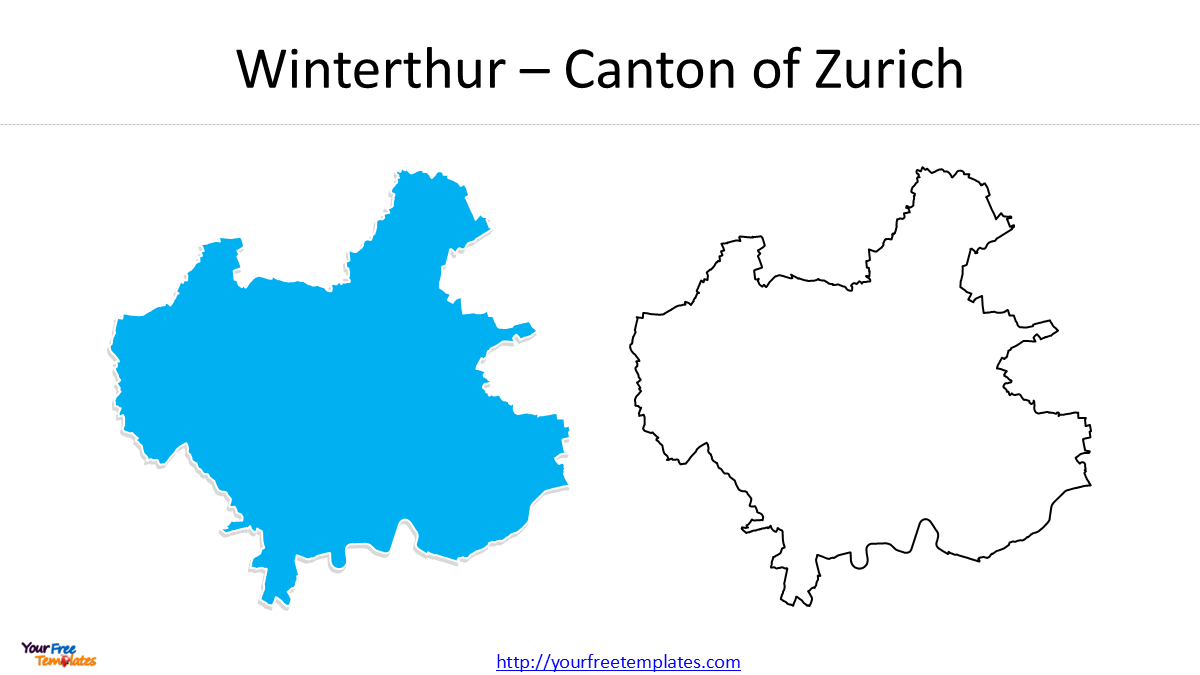
6. Largest Cities in Switzerland-Winterthur – Canton of Zurich
Population (Municipality): Approximately 123,577 (2026 estimate)
Canton: Zurich
Winterthur is Switzerland’s sixth-largest city and the second-largest city in the canton of Zurich, located approximately 20 kilometers northeast of Zurich city. Historically a center of the Swiss locomotive and machine-building industry, Winterthur has successfully transitioned into a modern service and technology hub.
Economic Profile & Industry Strengths:
-
High-Tech Manufacturing & Engineering: Winterthur remains a center for precision engineering, industrial automation, and high-tech manufacturing. Major employers include Sulzer (pumping and separation technology), Rieter (textile machinery), and various automotive and aerospace suppliers.
-
Insurance & Financial Services: Winterthur has a strong insurance sector, historically anchored by Winterthur Insurance (now part of AXA) and other financial services firms.
-
Technology & Innovation: The city has cultivated a technology cluster, particularly in industrial software, automation, and clean technology. Zurich University of Applied Sciences (ZHAW) is based in Winterthur, providing a pipeline of engineering and technology graduates.
-
Rail Logistics: Winterthur is a major railway junction on the Swiss Federal Railways (SBB) network, connecting Zurich, St. Gallen, Schaffhausen, and Germany. The city’s rail infrastructure supports logistics and distribution activities.
-
Growth Rate: Winterthur is one of the fastest-growing cities in Switzerland, with an annual population growth rate of 1.32%. This reflects the city’s appeal as a more affordable alternative to Zurich while remaining within easy commuting distance.
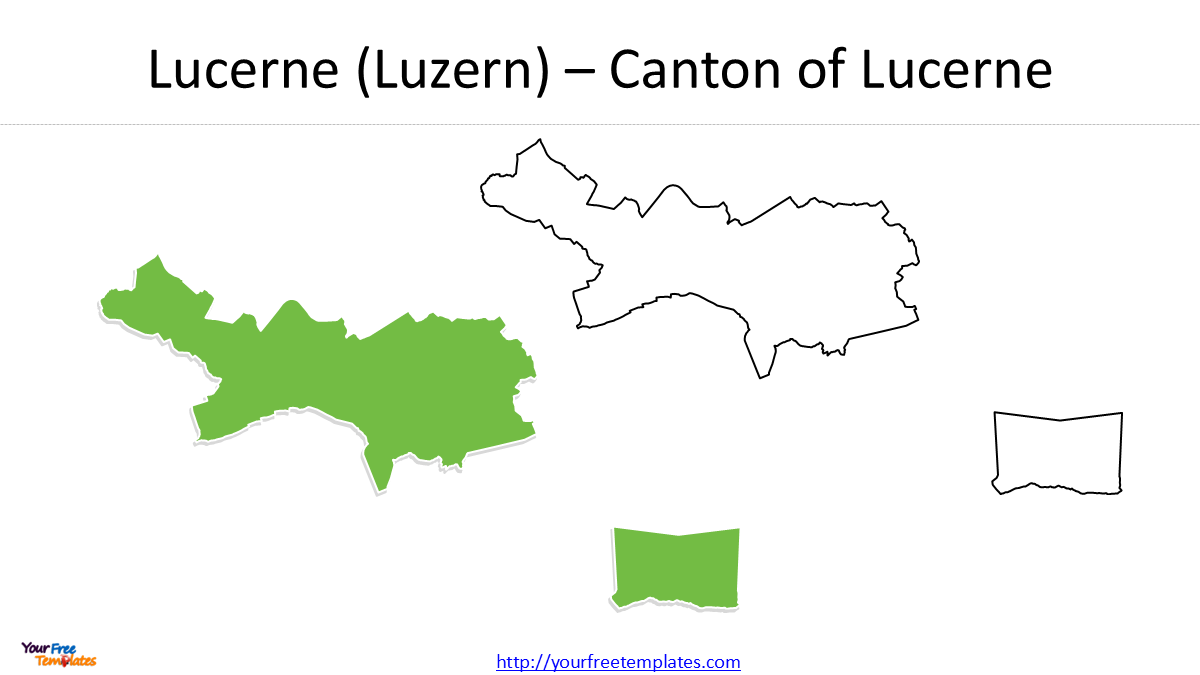
7. Largest Cities in Switzerland-Lucerne (Luzern) – Canton of Lucerne
Population (Municipality): Approximately 88,100 (2026 estimate); 148,486 (urban agglomeration)
Canton: Lucerne (Luzern)
Lucerne is Switzerland’s seventh-largest city and the capital of the canton of Lucerne. Located on the northwestern shore of Lake Lucerne (Vierwaldstättersee), with the Reuss River flowing out of the lake, Lucerne is one of Switzerland’s most picturesque cities and a major tourist destination. The city is known for its preserved medieval architecture, including the iconic Chapel Bridge (Kapellbrücke)—the oldest covered wooden bridge in Europe.
Economic Profile & Industry Strengths:
-
Tourism: Lucerne’s economy is heavily dependent on tourism, with millions of visitors annually attracted to the Chapel Bridge, the Water Tower, the Lion Monument (Löwendenkmal), and the surrounding Alpine scenery. The city serves as a gateway to central Switzerland and the Bernese Oberland.
-
Convention & Conference Economy: Lucerne is a significant convention and conference destination, with the KKL Luzern (Culture and Congress Centre) designed by renowned architect Jean Nouvel. The KKL hosts concerts, conventions, and the annual Lucerne Festival of classical music.
-
Watchmaking & Precision Manufacturing: Like other central Swiss cities, Lucerne has a watchmaking and precision instrument industry, though on a smaller scale than Geneva or Biel.
-
Higher Education: The University of Lucerne and the Lucerne University of Applied Sciences (HSLU) contribute to the local economy, particularly in law, humanities, business, and engineering.
-
Improved Competitiveness: According to the UBS Cantonal Competitiveness Indicator 2025, the canton of Lucerne has shown notable progress in its competitiveness ranking, particularly in the labor market dimension.
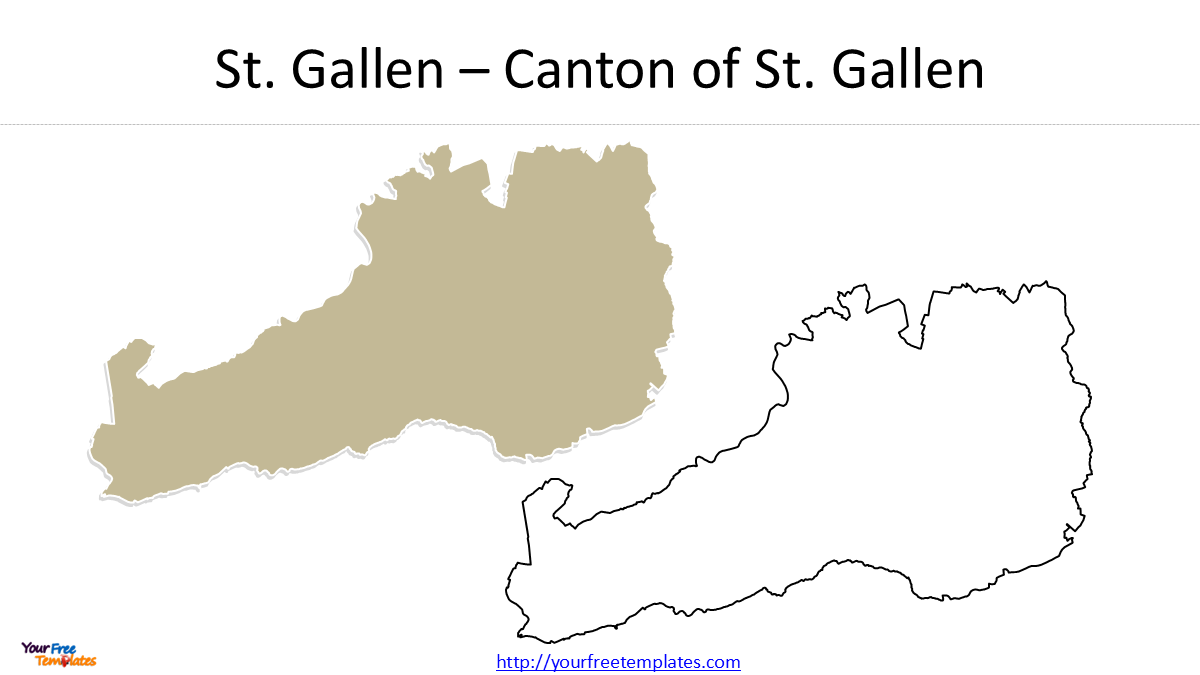
8. Largest Cities in Switzerland-St. Gallen – Canton of St. Gallen
Population (Municipality): Approximately 80,222 (2026 estimate)
Canton: St. Gallen (Sankt Gallen)
St. Gallen is Switzerland’s eighth-largest city and the capital of the canton of St. Gallen. Located in northeastern Switzerland, near the borders of Germany, Austria, and the Principality of Liechtenstein, St. Gallen is a historic center of textile production and a major economic hub for eastern Switzerland.
Economic Profile & Industry Strengths:
-
Textile Industry Heritage & Innovation: St. Gallen has been a center of textile production since the Middle Ages, particularly known for embroidery and high-quality fabrics. While traditional textile manufacturing has declined, the city has pivoted toward technical textiles, smart fabrics, and textile innovation. The Swiss Textile College (Textilfachschule) is based here.
-
Business Services & Consulting: St. Gallen has a significant business services sector, including management consulting, accounting, and legal services. The University of St. Gallen (HSG) is one of Europe’s leading business schools, providing a continuous stream of highly educated graduates.
-
University Economy: The University of St. Gallen (HSG) is the city’s largest employer and economic driver, specializing in business administration, economics, law, and international affairs. HSG consistently ranks among Europe’s top business schools.
-
Cantonal Administration: As the cantonal capital, St. Gallen hosts the cantonal government, parliament, and administrative agencies.
-
Improved Competitiveness: The canton of St. Gallen has shown notable progress in the UBS Cantonal Competitiveness Indicator 2025, improving its ranking compared to the previous edition.
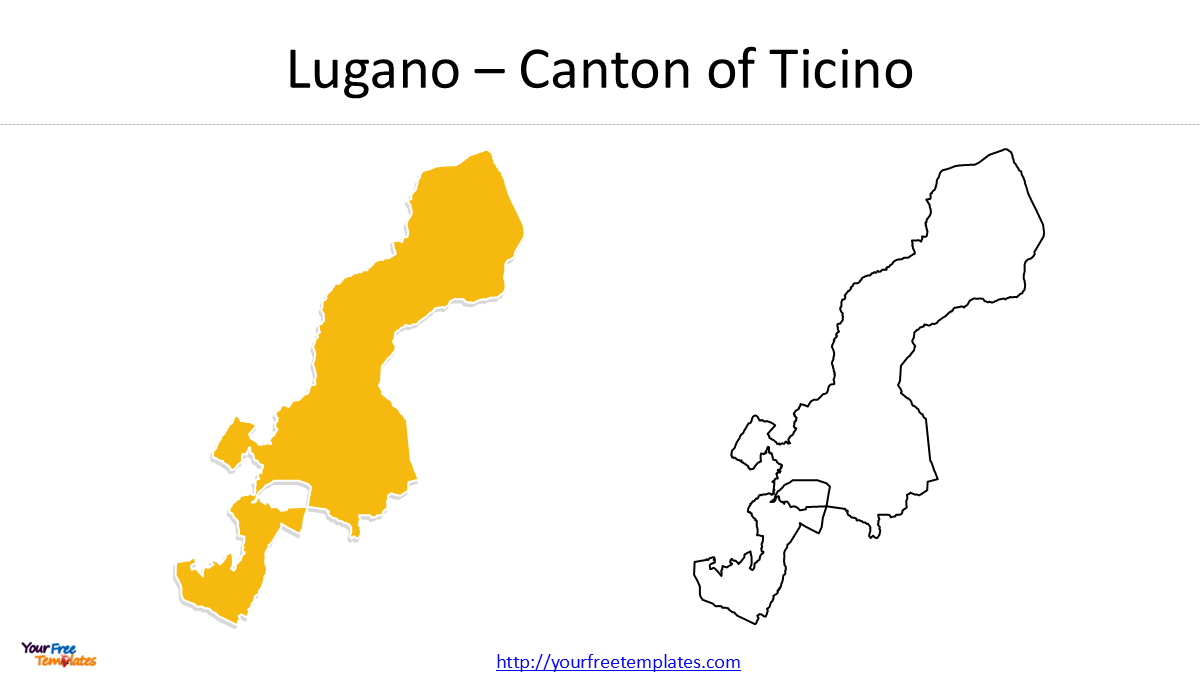
9. Largest Cities in Switzerland-Lugano – Canton of Ticino
Population (Municipality): Approximately 64,296 (2026 estimate); 93,677 (urban agglomeration)
Canton: Ticino
Lugano is Switzerland’s ninth-largest city and the largest city in the Italian-speaking canton of Ticino. Located on the northern shore of Lake Lugano (Lago di Lugano), surrounded by mountains, Lugano is Switzerland’s third-largest financial center after Zurich and Geneva and a significant hub for cross-border commerce with Italy.
Economic Profile & Industry Strengths:
-
Third-Largest Financial Center: Lugano is Switzerland’s third most important financial center, specializing in private banking, wealth management, and asset management. The city hosts numerous Swiss and international banks, particularly those serving the Italian market and Italian-speaking clients.
-
Cross-Border Economy & Commerce: Lugano’s position just north of the Italian border (approximately 5 kilometers from Como, Italy) creates a dynamic cross-border economy. The city attracts Italian commuters, shoppers, and businesses seeking the stability of the Swiss legal and tax environment.
-
Conference & Convention Center: Lugano is a growing convention destination, with the Palazzo dei Congressi hosting international conferences, particularly in finance, technology, and life sciences.
-
Tourism: Lake Lugano, the surrounding mountains (Monte Brè, Monte San Salvatore), and the Italianate architecture make Lugano a popular tourist destination, particularly for visitors seeking an “Italian experience with Swiss efficiency.”
-
Technology & Innovation: Ticino has developed a small but growing technology sector, with a focus on software development, fintech, and blockchain technology. The university system (Università della Svizzera italiana, USI) supports innovation.
-
Improved Competitiveness: According to the UBS CCI 2025, Ticino has advanced by one position in the competitiveness ranking compared to 2023, reflecting improvements in the labor market and economic structure dimensions.
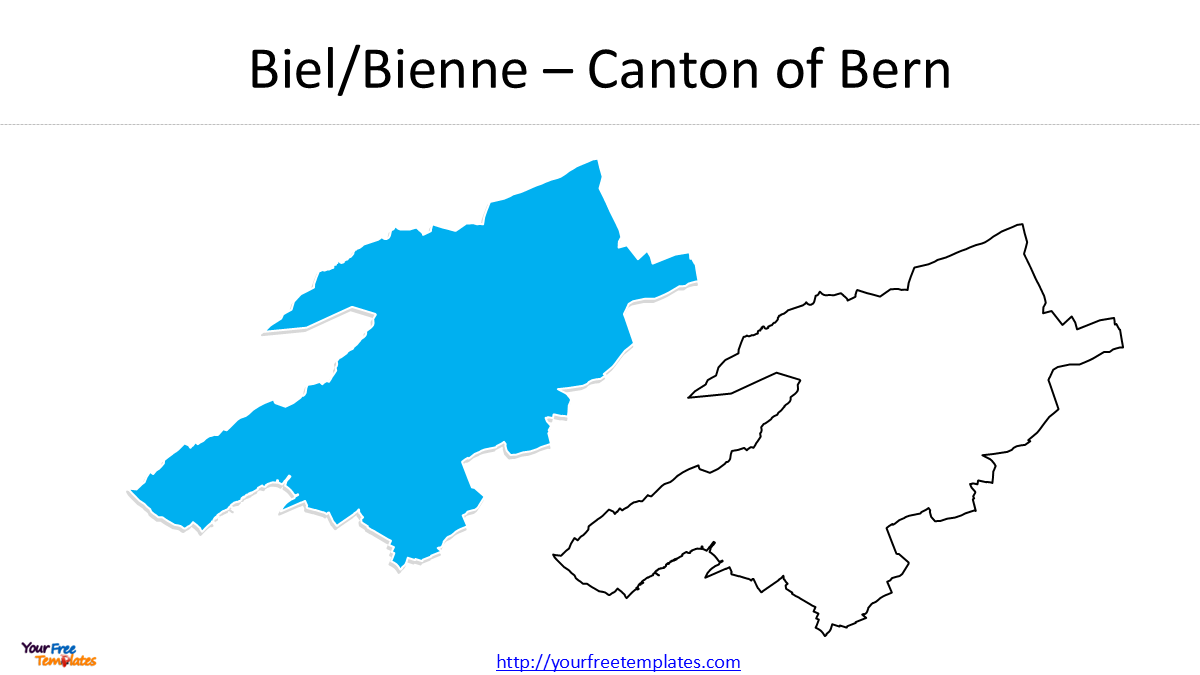
10. Largest Cities in Switzerland-Biel/Bienne – Canton of Bern
Population (Municipality): Approximately 57,760 (2026 estimate); 72,704 (urban agglomeration)
Canton: Bern
Biel/Bienne (the city has a dual German-French name) is Switzerland’s tenth-largest city. Located on the northeastern shore of Lake Biel (Bielersee) at the foot of the Jura Mountains, the city is officially bilingual (German and French) and serves as the watchmaking capital of Switzerland. The hyphenated name reflects the city’s commitment to linguistic parity.
Economic Profile & Industry Strengths:
-
Watchmaking Capital of Switzerland: Biel/Bienne is the undisputed center of the Swiss watch industry. The city hosts the headquarters or major manufacturing facilities of Swatch Group (the world’s largest watch company), Rolex (major production facility), Omega (headquarters), and numerous movement manufacturers (ETA, Sellita). The watch industry employs a significant portion of the local workforce.
-
Microtechnology & Precision Engineering: The watchmaking industry has spawned a broader microtechnology and precision engineering cluster, including companies specializing in micromotors, sensors, medical devices, and industrial automation.
-
Bilingual Character & Public Administration: As an officially bilingual city, Biel/Bienne houses cantonal administrative offices serving the bilingual population of the Bernese Jura.
-
Aging Population Challenge: Like several other Swiss cities, Biel/Bienne faces demographic pressures from an aging population. However, the city’s industrial base provides relatively stable employment compared to purely service-oriented towns.
Comparative Analysis: Key Takeaways from the Rankings
| Rank | City | Canton | Population (2026) | Dominant Industry |
|---|---|---|---|---|
| 1 | Zurich | Zurich | 444,078 | Global finance, banking, technology |
| 2 | Geneva | Geneva | 211,713 | Diplomacy, international organizations |
| 3 | Basel | Basel-Stadt | 179,455 | Pharmaceuticals, life sciences |
| 4 | Lausanne | Vaud | 147,267 | Olympic movement, higher education |
| 5 | Bern | Bern | 139,624 | Federal government, public administration |
| 6 | Winterthur | Zurich | 123,577 | High-tech manufacturing, engineering |
| 7 | Lucerne | Lucerne | 88,100 | Tourism, conferences, culture |
| 8 | St. Gallen | St. Gallen | 80,222 | Business education, textiles |
| 9 | Lugano | Ticino | 64,296 | Private banking, cross-border commerce |
| 10 | Biel/Bienne | Bern | 57,760 | Watchmaking, microtechnology |
Key Observations:
-
Polycentric Federalism: Unlike France, Austria, or the United Kingdom, Switzerland exhibits a highly balanced urban hierarchy. Zurich is only 2.1 times larger than Geneva, reflecting the country’s federalist political structure.
-
Specialization, Not Competition: Swiss cities have developed complementary economic specializations rather than competing directly. Zurich dominates finance, Geneva dominates diplomacy, Basel dominates life sciences, Lausanne dominates sports administration, and Biel/Bienne dominates watchmaking.
-
Western Switzerland Rising: The UBS Cantonal Competitiveness Indicator 2025 reveals that western Swiss cantons (Vaud and Geneva) have seen significant improvements in growth prospects, gaining three and two places respectively. This suggests an eastward shift of economic dynamism toward the Lake Geneva region.
-
Fiscal Divergence: While cantons like Zug and Bern are planning tax cuts, western Swiss cantons (Geneva, Vaud, Fribourg, Neuchâtel) face significant fiscal deficits and are implementing austerity measures. Geneva’s projected deficit of 409.4 million francs for 2026 is particularly striking.
-
Export Dependency Vulnerabilities: The cantons of Nidwalden and Neuchâtel are particularly vulnerable to US import tariffs, with 44% and 38% of their exports respectively destined for the USA. The highest resilience to trade barriers is found in Zurich, Vaud, Geneva, Zug, and Basel-Stadt.
Download the PowerPoint Slides
This blog post is accompanied by an 11-slide PowerPoint deck:
-
Slide 1: National map of Switzerland with municipality-level boundaries for all ten cities highlighted
-
Slides 2–11: Enlarged municipality-level city limit maps for Zurich, Geneva, Basel, Lausanne, Bern, Winterthur, Lucerne, St. Gallen, Lugano, and Biel/Bienne
These slides are fully editable, allowing you to add your own population data, economic notes, or color coding. Visit yourfreetemplates.com to download the complete deck.
Looking for Premium maps, please visit our affiliate site: https://editablemaps.com/ or https://ofomaps.com/
Size:170K
Type: PPTX
Top 10 Largest Cities in Switzerland Map Template
Click the link to download it.
Aspect Ratio: Widescreen 16:9
Click the green button to download it.
Download the 16:9 Template
References
-
Worldometer – Switzerland Demographics 2026: Largest Cities by Urban Area
-
UBS – Cantonal Competitiveness Indicator 2025 (Published March 25, 2026)
-
Federal Statistical Office – Generalized Administrative Boundaries G1 Dataset (Updated February 14, 2025)
-
Trip.com – Zurich Travel Guide
-
World Population Review – Switzerland Cities by Population 2026
-
GeoPostcodes – Switzerland Shapefiles: Municipalities & Zip Codes (Updated April 1, 2026)
-
Baidu Baike – Zurich City Profile
-
Humanitarian Data Exchange – World Bank Urban Development Indicators for Switzerland
-
blue News – Swiss Cantonal Budgets 2026 (October 24, 2025)
-
Baidu Baike – Canton of Zurich Profile