

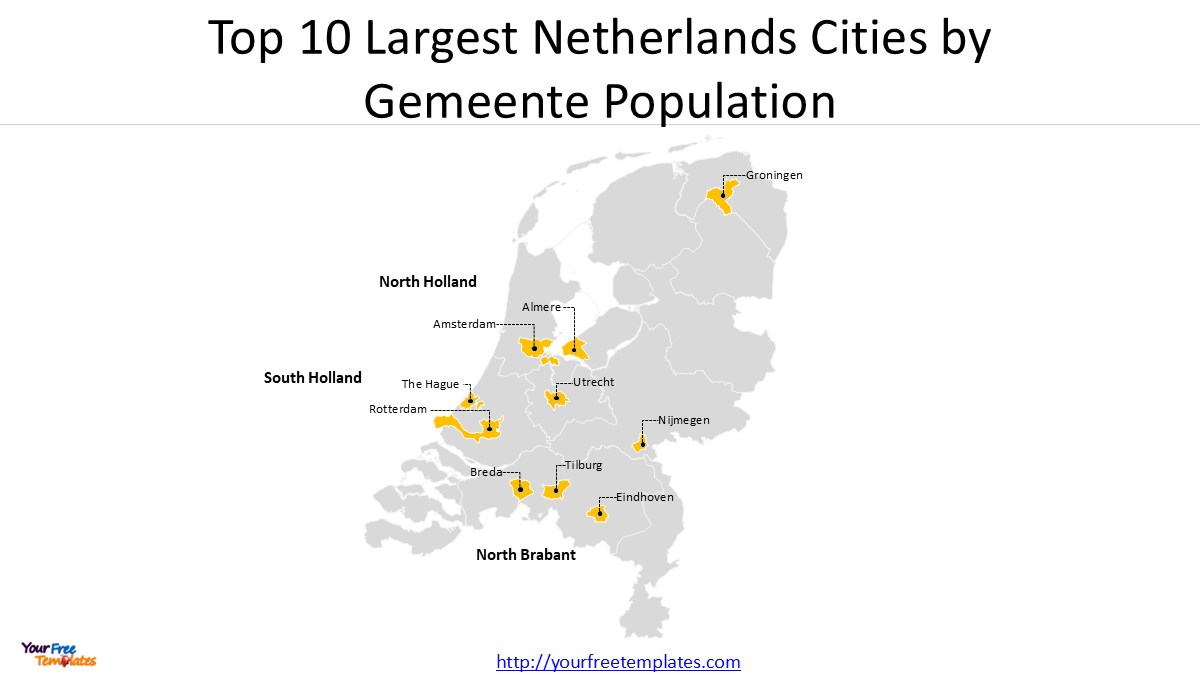
When analyzing the Top 10 Largest Cities in Netherlands: Population Ranking & Regional Breakdown, it becomes evident that the Dutch urban landscape is defined not only by the iconic capital Amsterdam but also by a network of dynamic regional hubs, each driving distinct economic engines. From Europe’s largest seaport in Rotterdam to the international law center of The Hague, the technology and innovation hub of Eindhoven, and the energy transition frontier of Groningen, these municipalities shape the nation’s demographic and economic identity.
Below, we rank the Netherlands’ ten most populous gemeenten—the Dutch administrative level equivalent to municipalities or city limits—and explore their regional context, population figures, and key industries. To help you visualize this data, we have created an 11-slide PowerPoint deck featuring the national map of the Netherlands with all ten city boundaries (gemeente level) on slide 1, followed by individual enlarged gemeente-level city limit maps for each of the ten cities on slides 2 through 11.
You can check our largest cities series as below.
- Top largest cities in UK
- Top largest cities in Germany
- Top largest cities in France
- Top largest cities in US
- Top largest cities in Canada
- Top largest cities in Australia
Understanding the Netherlands’ Administrative Level: Why Gemeente Boundaries Matter
Before diving into the rankings, it is important to understand what “city limits” mean in the Netherlands. The gemeente (municipality) is the smallest administrative division, equivalent to a city or town boundary . Each gemeente has its own municipal council and executive board. When we refer to the population of Amsterdam, Rotterdam, or Utrecht, we are referring to the population within that gemeente’s legal boundaries—not the larger metropolitan area. This distinction is critical for accurate demographic comparison. Our accompanying PowerPoint slides use precise shapefile data to outline each city at the gemeente level, allowing you to present clear, legally defined city limits rather than vague metropolitan approximations.
The Netherlands is a densely populated country with 88.9% of its population living in urban areas . Its municipal system has undergone consolidation in recent decades, but the gemeente remains the fundamental building block of Dutch local government, responsible for tasks ranging from spatial planning to social services .
The Ranking: Top 10 Largest Dutch Cities by Gemeente Population
All population figures are based on the most recent available data (2025–2026 estimates) from Statistics Netherlands (CBS).
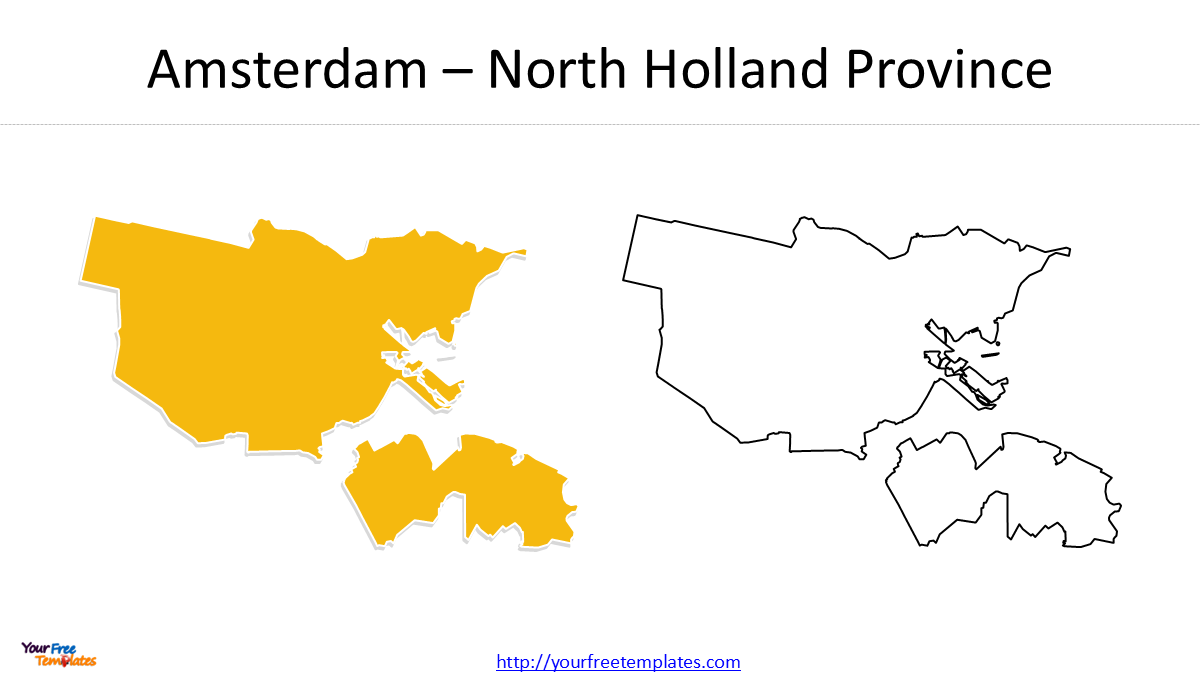
1. Amsterdam – North Holland Province
Population (Gemeente): Approximately 1,235,985
Province: North Holland (Noord-Holland)
Amsterdam is the most populous gemeente in the Netherlands and the nation’s constitutional capital. Its compact historical center belies a vast metropolitan influence that extends throughout the Randstad, Europe’s most competitive macro-region .
Economic Profile & Industry Strengths:
-
Financial & Corporate Services: Amsterdam is the financial capital of the Netherlands, housing the Euronext Amsterdam stock exchange and the headquarters of major multinational corporations including ING Group, ABN AMRO, Heineken, and TomTom.
-
Technology & Startups: The city has established itself as the leading European tech hub outside London and Berlin, with a thriving startup ecosystem centered around StartupAmsterdam and the Amsterdam Science Park.
-
Creative Industries: Advertising, media, gaming, and digital design are significant employers, supported by world-class institutions like the Rijksakademie and Sandberg Instituut.
-
Tourism & Hospitality: With over 20 million annual visitors to its museums (Rijksmuseum, Van Gogh Museum, Anne Frank House) and canals, tourism is a major economic driver.
-
Life Sciences: The Amsterdam Life Sciences District and Amsterdam UMC position the city as a center for medical research and biotechnology.
The Amsterdam Metropolitan Area—a partnership of 30 municipalities across North Holland and Flevoland—accounts for approximately 2.6 million residents and 20% of the Netherlands’ GDP, with a per capita GDP of €77,000, more than double the national average .
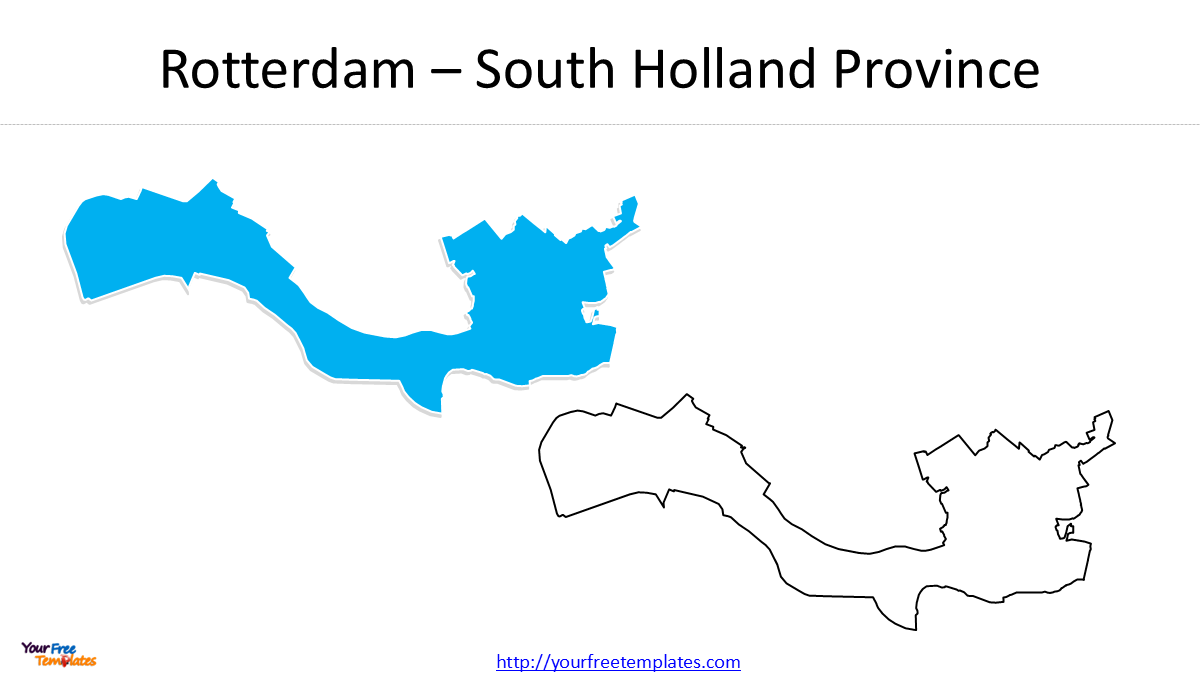
2. Largest cities in Netherlands, Rotterdam – South Holland Province
Population (Gemeente): Approximately 1,023,590
Province: South Holland (Zuid-Holland)
Rotterdam is the second-largest city in the Netherlands and home to Europe’s busiest seaport. Almost completely rebuilt after World War II, the city is known for its bold modern architecture, entrepreneurial spirit, and logistical dominance .
Economic Profile & Industry Strengths:
-
Maritime & Port Logistics: The Port of Rotterdam is the largest seaport in Europe, handling over 211 million tons of cargo annually. The port is undergoing a massive energy transition, with major investments in CO2 reduction, shore power infrastructure, and green hydrogen production .
-
Energy & Petrochemicals: The port industrial complex hosts major oil refineries (Shell, BP, ExxonMobil), chemical plants, and LNG terminals. The Porthos CCS project, expected operational in 2026, will capture and store CO2 from industry .
-
Shipping & Container Transport: Despite a 4.1% decline in total throughput in 2025, container volumes increased by 2.7% to seven million TEU, driven by rising import demand from Asia and North America .
-
Offshore & Maritime Technology: Rotterdam is a center for offshore wind, shipbuilding, and marine engineering.
-
Logistics & Distribution: The city’s strategic location at the mouth of the Rhine River makes it the gateway for goods entering the European hinterland.
The port authority recorded revenues of €462.3 million in the first half of 2025, with investments focused on sustainability, digitalization, and defense logistics capacity .
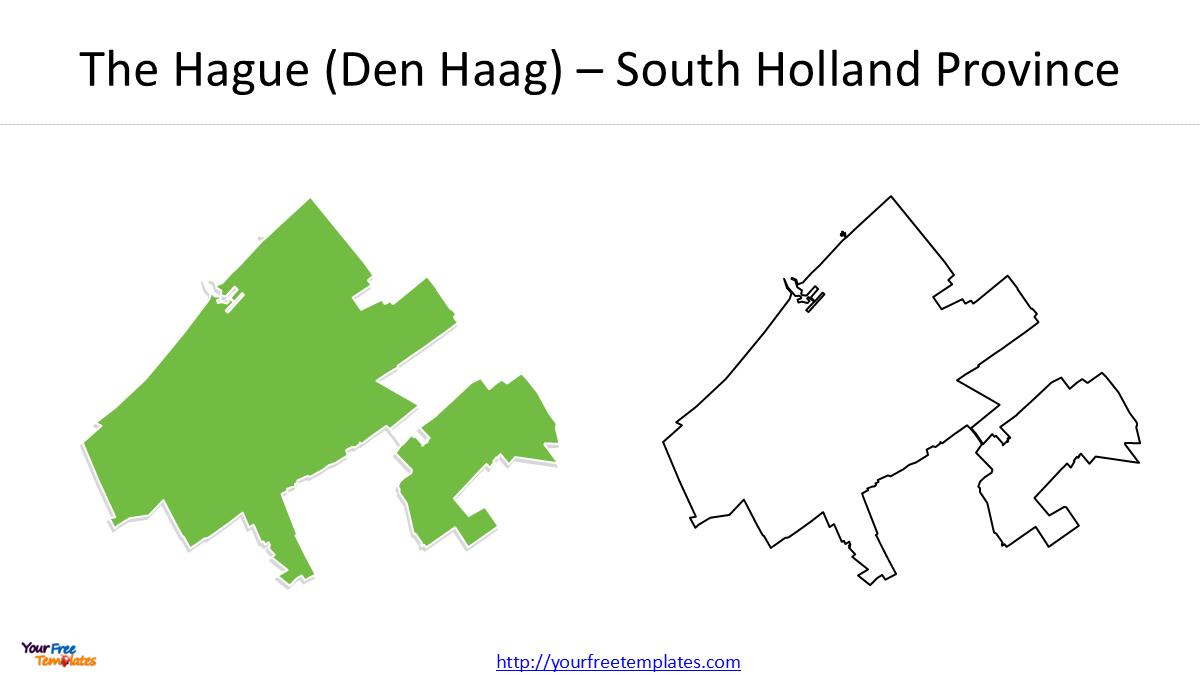
3. The Hague (Den Haag) – South Holland Province
Population (Gemeente): Approximately 886,444
Province: South Holland (Zuid-Holland)
The Hague is the third-largest city in the Netherlands and serves as the seat of the Dutch government, parliament, and Supreme Court—though Amsterdam remains the constitutional capital. It is globally renowned as the international city of peace and justice .
Economic Profile & Industry Strengths:
-
International Law & Diplomacy: The Hague hosts over 490 international non-profit organizations, including the International Court of Justice, the International Criminal Court, Europol, Eurojust, and the Organization for the Prohibition of Chemical Weapons (OPCW). Almost all foreign embassies and consulates are located here .
-
Legal & Lobbying Services: The international community generates nearly €2.7 billion in annual spending, creates almost 20,000 direct jobs, and contributes €5.6 billion in total added value to the regional economy .
-
Education & International Schools: The region (Leiden, The Hague, Delft) hosts 20 international schools with 10,000 students from expatriate families. Approximately 8,000 international students pursue higher education in The Hague, with 30,000 across South Holland province—one-quarter of the national total .
-
Government & Public Administration: As the political capital, The Hague is home to Dutch government ministries, civil service agencies, and state-owned enterprises.
-
Tourism & Culture: The Mauritshuis museum, Scheveningen beach, Binnenhof government complex, and Peace Palace attract millions of visitors annually.
The international character of The Hague has grown steadily since the 16th century, when the government of the Dutch Republic was established here .
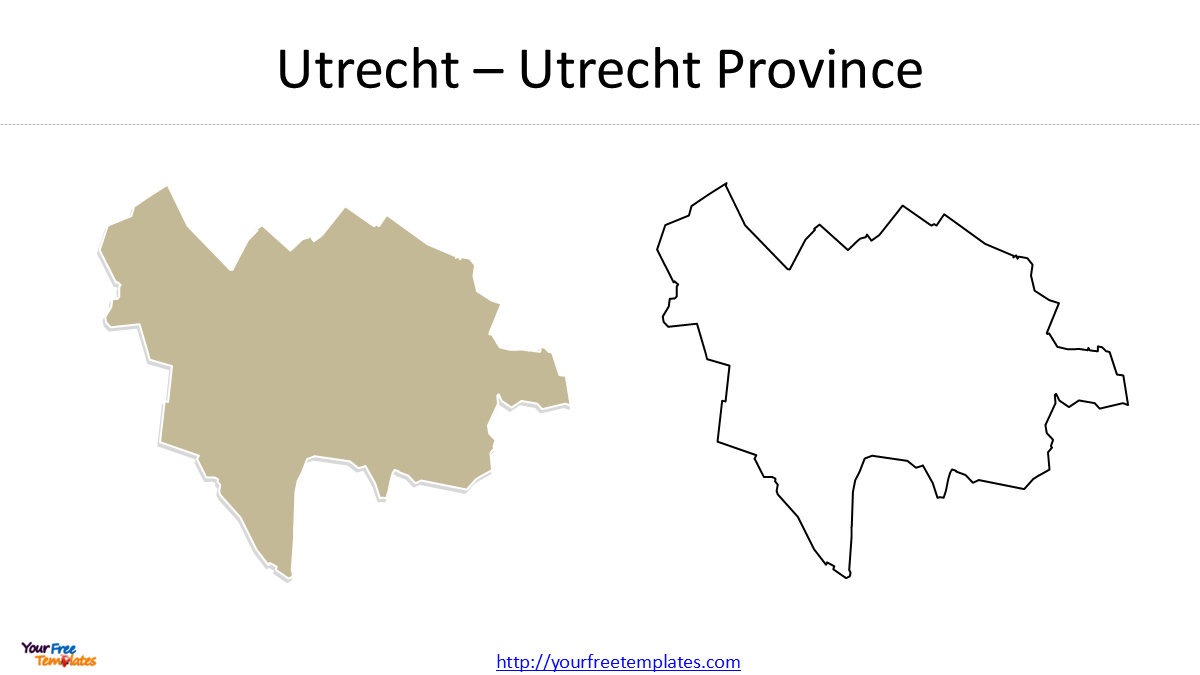
4. Largest cities in Netherlands, Utrecht – Utrecht Province
Population (Gemeente): Approximately 519,200
Province: Utrecht
Utrecht is the fourth-largest city in the Netherlands and the capital of its namesake province. It has been designated by the European Commission as the most competitive region in Europe, based on the Regional Competitiveness Index (RCI) covering macro-economic stability, infrastructure, human capital, innovation, and business sophistication .
Economic Profile & Industry Strengths:
-
Life Sciences & Health: Nearly one-fifth of all jobs in the Utrecht Region are in healthcare and related fields, with over 2,000 companies and 100+ active startups. Specializations include personalized medicine, oncology, neurology, cardiovascular, One Health (human, veterinary, environmental health), 3D bioprinting, stem cell/regenerative medicine, future food technologies, e-health, MedTech, and advanced genomics .
-
Utrecht Science Park: The largest science park in the Netherlands, hosting tens of thousands of students and graduates annually, providing a continuous infusion of biomedical and technical talent .
-
Software & ICT: Enterprise solutions, SaaS, cloud computing, and related services are major employers.
-
Artificial Intelligence & Digital Innovation: Data-driven services, digital innovation, and AI applications are rapidly growing sectors.
-
Digital Media & Creative Technology: VR/AR, media production, and digital content services thrive in Utrecht’s creative ecosystem.
-
Sustainability & Cleantech: Water management, innovative water-tech solutions, sustainable built environment (circular and green building practices), battery technologies, electric charging infrastructure, mobility solutions, and earth technologies supporting the energy transition are key opportunity areas .
Utrecht’s strategic position as a gateway to a 500-kilometer European market radius, combined with strong government-knowledge-business collaboration and access to EU funding, makes it an ideal location for scaling innovative companies .
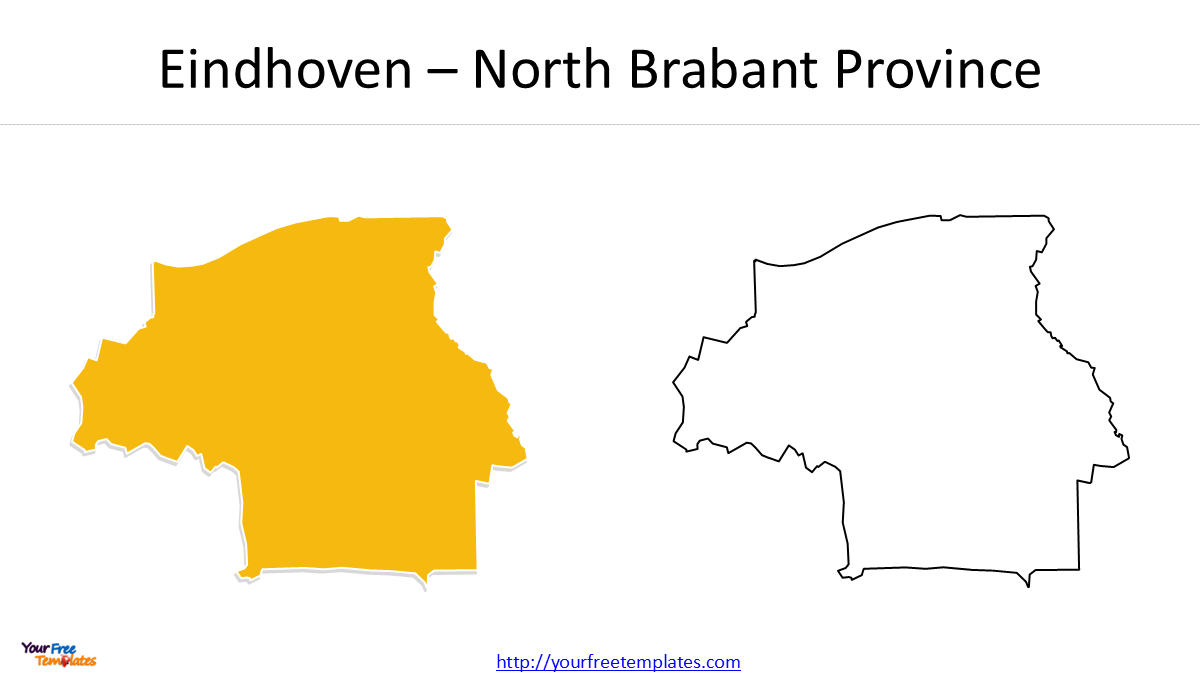
5. Eindhoven – North Brabant Province
Population (Gemeente): Approximately 288,852
Province: North Brabant (Noord-Brabant)
Eindhoven is the fifth-largest city in the Netherlands and the heart of the Brainport region—one of Europe’s most innovative technology hubs. Unlike the Randstad cities, Eindhoven’s economy is dominated by high-tech manufacturing and deep-tech innovation .
Economic Profile & Industry Strengths:
-
Semiconductor & High-Tech Manufacturing: Eindhoven is home to ASML, the world’s sole supplier of extreme ultraviolet (EUV) lithography equipment essential for advanced semiconductor manufacturing. ASML is planning a major expansion at Brainport Industries Campus (BIC), which will accommodate thousands of new employees by 2030 .
-
Brainport Industries Campus: BIC is the largest high-tech manufacturing campus in the Netherlands. Phase 1 (105,000 sqm) is complete with multiple high-tech companies and educational institutions. Phase 2 (BIC 2) will expand to 300,000 sqm—more than double the first phase—with over 40 innovative companies already committed to入驻 .
-
Photonics & Quantum Technology: BIC’s target sectors include semiconductor-related technologies, photonics, quantum technologies, and additive manufacturing (3D printing) .
-
Automotive & Mobility: The automotive supply chain, including VDL Group, DAF Trucks, and numerous suppliers, is concentrated in the region.
-
Design & Technology: Eindhoven University of Technology and the Dutch Design Week make the city a center for industrial design and technology convergence.
BIC collaborates with Invest Holland and the Brabant Development Agency (BOM) to attract international companies seeking to establish regional headquarters or R&D centers in the Netherlands, with particular outreach to Taiwanese semiconductor firms .
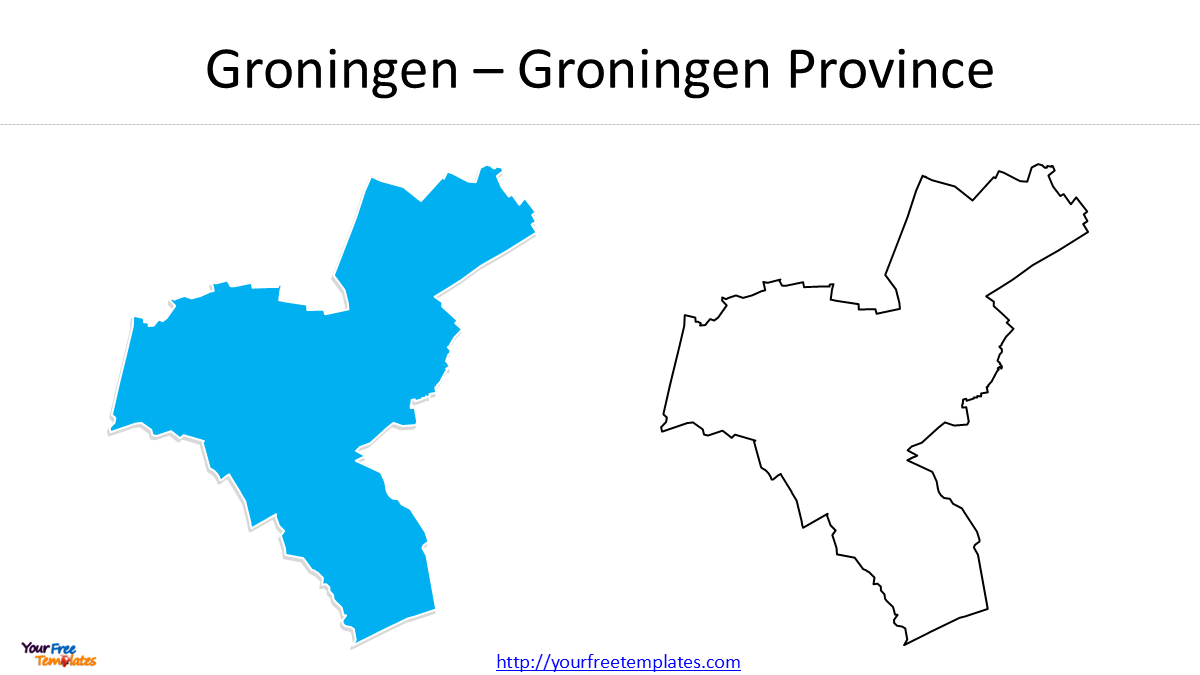
6. Largest cities in Netherlands, Groningen – Groningen Province
Population (Gemeente): Approximately 177,296 (note: metropolitan area larger)
Province: Groningen
Groningen is the sixth-largest city in the Netherlands and the capital of the northern province. It has established itself as Europe’s Hydrogen Valley—the continental leader in green hydrogen innovation, production, and application .
Economic Profile & Industry Strengths:
-
Hydrogen Economy: Groningen was the first region designated as a European Hydrogen Valley by the EU in 2019. The region has a complete hydrogen chain: from green production (electrolysis using renewable energy) to industrial application and mobility .
-
Energy Transition Hub: The Hydrogen Valley Campus Europe brings together educational institutions, researchers, and businesses working on clean energy technologies, including green chemistry energy technology .
-
Groningen Seaports (Delfzijl & Eemshaven): These ports are rapidly developing into the energy port of the Netherlands, handling natural gas from Norway, electricity from offshore wind farms, and hosting hydrogen production facilities by Engie, RWE, and Equinor .
-
Pilot Projects: The Phynix project (former oil rig converted to offshore hydrogen testing ground), WaterstofWijk Wagenborgen (33 homes using hydrogen for heating and cooking), and ICOG (nine industries replacing natural gas with hydrogen) demonstrate real-world applications .
-
Research & Innovation: The New Energy Coalition connects over 100 partners across education, business, government, and non-profits to accelerate the energy transition. HyNorth publishes the Northern Netherlands Hydrogen Investment Plan annually, covering over 80 projects with total investments of approximately €10 billion by 2030 .
The Northern Netherlands is the most active hydrogen ecosystem in Europe, creating rapid growth in demand for technicians, engineers, builders, and logistics talent .
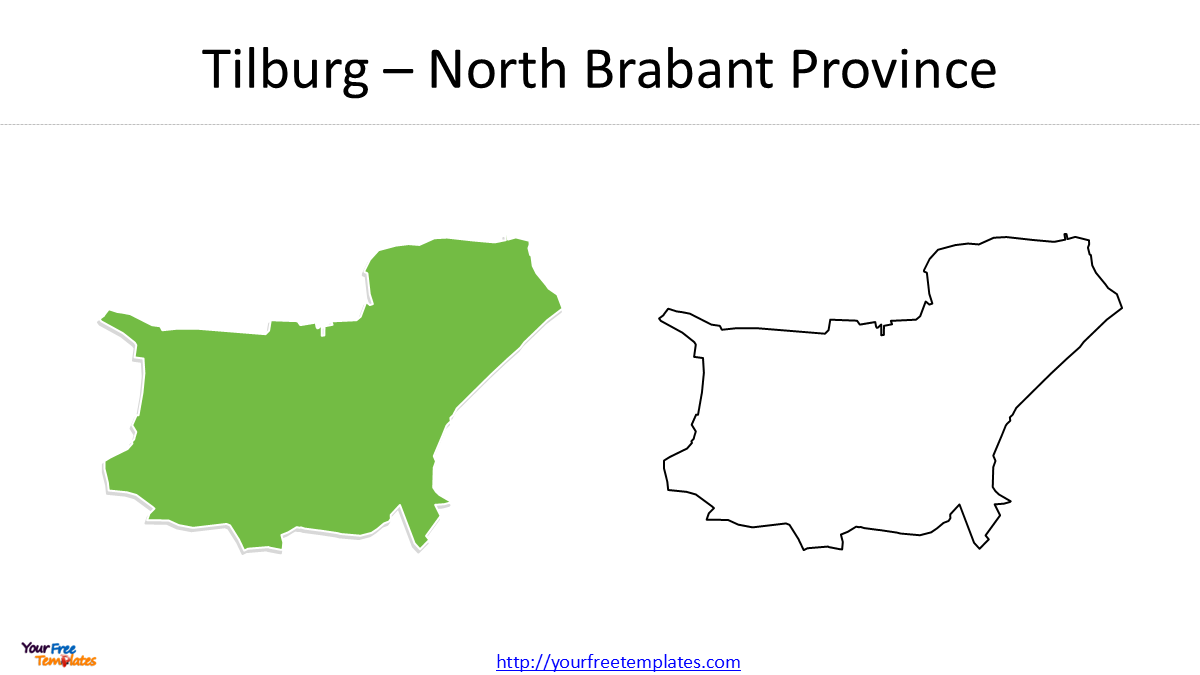
7. Tilburg – North Brabant Province
Population (Gemeente): Approximately 224,000 (2021 figure; 2026 estimate ~225,000)
Province: North Brabant (Noord-Brabant)
Tilburg is the seventh-largest city in the Netherlands and a historic center of the Dutch wool and textile industry. It has successfully transformed into a modern logistics and service hub, leveraging its strategic location between Amsterdam, Rotterdam, Antwerp, and the German Ruhr region .
Economic Profile & Industry Strengths:
-
Logistics & Distribution: Tilburg is the logistics gateway of the Southern Netherlands, connecting the ports of Rotterdam and Antwerp to the European hinterland. The city is home to massive distribution centers for e-commerce, retail, and food logistics .
-
International Rail Connectivity: Since 2016, a direct international freight rail line connects Chengdu, China, to Tilburg. Outbound cargo includes machinery, electronics, and light industrial goods; inbound cargo includes machinery, building materials, chemicals, wine, and fast-moving consumer goods .
-
Textile Innovation: While traditional wool textile manufacturing has declined, the city has pivoted to technical textiles, circular fashion, and sustainable material innovation.
-
Mechanical & Electrical Engineering: Machinery, electrical equipment, and industrial components manufacturing remain significant sectors .
-
Education: Tilburg University, founded in 1927 as the School of Economics, is now a comprehensive university with international influence, particularly in social sciences, law, and business .
Tilburg has established a sister-city relationship with Changzhou, China (1999), and signed a cooperation memorandum with Chengdu (2019) focused on logistics, trade, and education. In 2023, the Jiangsu-North Brabant New Energy Industry Cooperation Seminar was held in Tilburg, strengthening Sino-Dutch collaboration in the renewable energy sector .
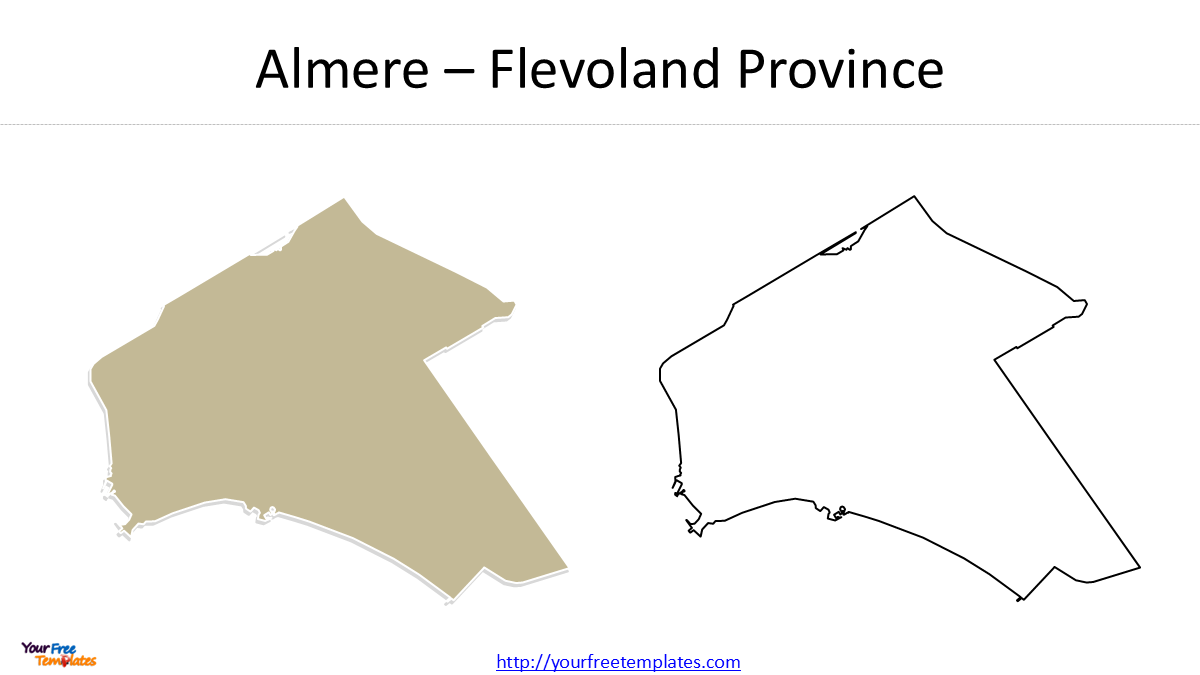
8.Largest cities in Netherlands, Almere – Flevoland Province
Population (Gemeente): Approximately 200,000 (2026 estimate)
Province: Flevoland
Almere is the eighth-largest city in the Netherlands and one of the newest—founded in 1976 on reclaimed land from the IJsselmeer (Zuiderzee) and formally established as a municipality in 1984. It is the largest city in the Flevoland polder and a key component of the Amsterdam Metropolitan Area .
Economic Profile & Industry Strengths:
-
Planned City & Urban Development: Almere is a model of modern urban planning, designed from scratch on artificial land. The city features “green + blue” spatial planning with 6,000 green buildings and iconic architecture by Rem Koolhaas and other contemporary architects. The Highnote community, completed in 2023, is the latest addition to the city’s skyline .
-
Business Services, Trade & Healthcare: These are the dominant employment sectors, supported by Almere’s role as a suburban residential and commercial center within the Amsterdam commuter belt .
-
Sustainable Living Pilot: The city launched ReGen Village (2016), the world’s first self-sustainable community project, designed to produce its own food, energy, and water while managing waste .
-
Horticulture & Floriculture: Flevoland is the Netherlands’ primary flower bulb growing region, and Almere benefits from this agricultural cluster.
-
Future Expansion: Almere plans to double its size over the next 20 years, constructing 60,000 new homes and creating 100,000 new jobs .
Almere is connected to Amsterdam Centraal via a direct rail line (20 minutes) with frequent service. The city hosted the 2022 World Horticultural Expo (Floriade) and has established a sister-city relationship with Shenzhen, China (2016) .
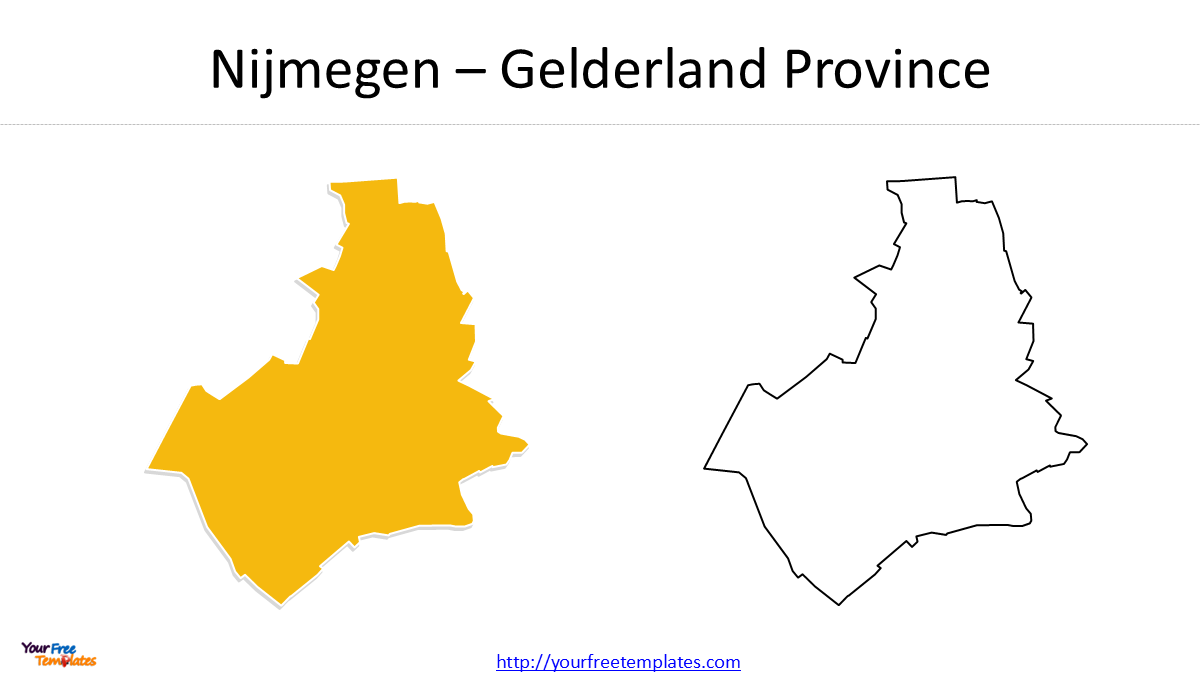
9. Nijmegen – Gelderland Province
Population (Gemeente): Approximately 177,000 (2026 estimate)
Province: Gelderland
Nijmegen is the ninth-largest city in the Netherlands and the oldest city in the country, founded by the Romans as Noviomagus. Located on the Waal River near the German border, it has evolved from a military outpost into a vibrant university and logistics center.
Economic Profile & Industry Strengths:
-
Education & Research: Radboud University and Radboud University Medical Center are major employers, driving innovation in medical sciences, artificial intelligence, and social sciences.
-
Logistics & Trade: Nijmegen’s position on the Waal River (the main branch of the Rhine) makes it a strategic location for river freight and cross-border trade with Germany.
-
Healthcare & Life Sciences: The Radboudumc Health Academy and associated research institutes make Nijmegen a center for rare disease research, genomics, and personalized medicine.
-
Manufacturing & High-Tech: NXP Semiconductors has a significant presence, and the region has a growing high-tech manufacturing sector.
-
Events & Tourism: The Nijmegen Vierdaagse (International Four Days Marches) is the world’s largest multiple-day marching event, attracting over 40,000 participants annually and driving significant economic activity.
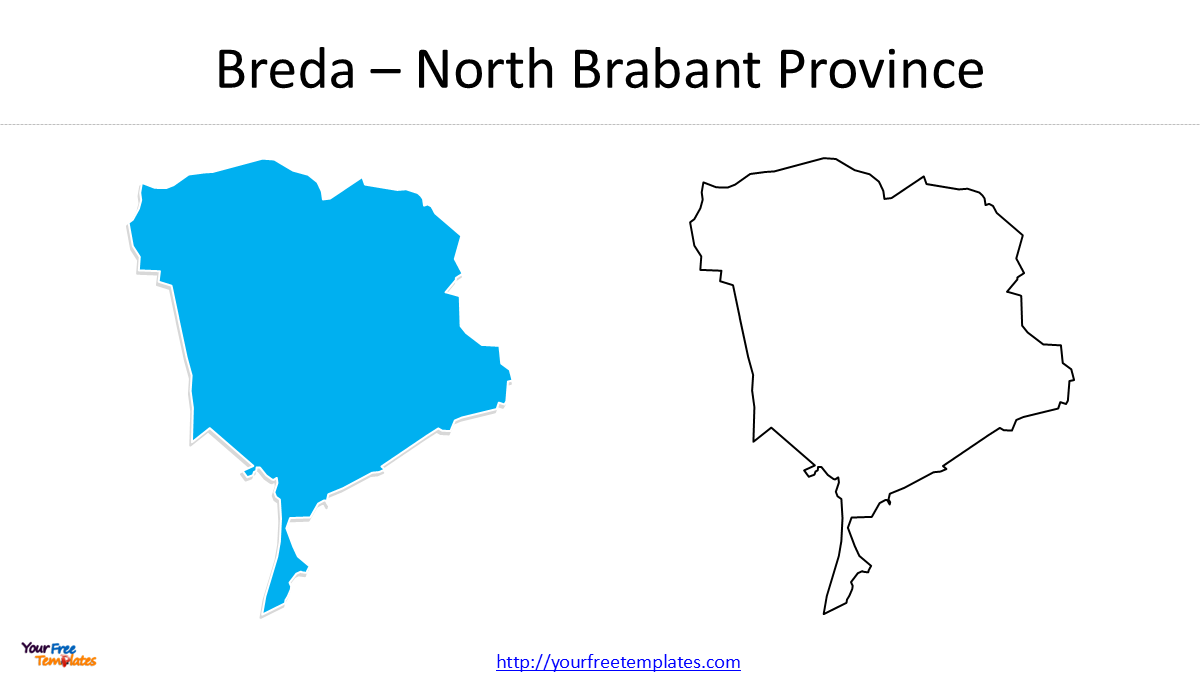
10. Breda – North Brabant Province
Population (Gemeente): Approximately 185,000 (2026 estimate)
Province: North Brabant (Noord-Brabant)
Breda is the tenth-largest city in the Netherlands and a historic city in the western part of North Brabant, near the Belgian border. It has traditionally been a center for military, logistics, and food processing industries.
Economic Profile & Industry Strengths:
-
Logistics & Distribution: Breda is strategically located at the intersection of the A16 (Rotterdam-Antwerp) and A27 (Utrecht-Breda) motorways, making it a prime location for distribution centers serving the Benelux region.
-
Food & Beverage Industry: The surrounding region is home to major food processing companies, including the headquarters or regional offices of international food corporations.
-
Defense & Security: Breda has a long military tradition, hosting the Royal Military Academy (KMA) and defense-related technology firms.
-
Aviation: Breda is within proximity of both Rotterdam The Hague Airport and Brussels Airport, with logistics services supporting air freight.
-
Retail & Services: As a regional shopping destination, Breda’s historic city center attracts consumers from across West Brabant and Belgian border towns.
-
Education: Breda University of Applied Sciences (BUas) specializes in logistics, gaming, tourism, and creative media.
Why This Blog Series Matters for Your Presentations
The Top 10 Largest Cities in the Netherlands is just the first installment in a series that will explore Dutch administrative geography. Upcoming posts will cover:
-
Top 10 Cities by Metropolitan Area Population (including suburbs and commuter zones)
-
Top 10 Fastest-Growing Dutch Cities (2019–2026)
-
Top 10 Dutch Cities by Economic Output (GDP per Gemeente)
Each post will be accompanied by downloadable PowerPoint slides with accurate shapefile-based gemeente, province, making yourfreetemplates.com the go-to resource for geospatial presentation materials.
Download the PowerPoint Slides
This blog post is accompanied by an 11-slide PowerPoint deck:
-
Slide 1: National map of the Netherlands with gemeente-level boundaries for all ten cities highlighted
-
Slides 2–11: Enlarged gemeente-level city limit maps for Amsterdam, Rotterdam, The Hague, Utrecht, Eindhoven, Groningen, Tilburg, Almere, Nijmegen, and Breda
These slides are fully editable, allowing you to add your own population data, economic notes, or color coding. Visit yourfreetemplates.com to download the complete deck.
References
-
Worldometer – Netherlands Demographics 2026
-
Dutch Government Data – Municipal accounts and tasks by region
-
The Paper (澎湃新闻) – Amsterdam Metropolitan Area Economic Report 2025
-
TRANSPORT – Port of Rotterdam logistics and investment report 2025
-
Diplomat Magazine – The Hague international community economic impact 2024
-
ROM Utrecht Region – Utrecht Europe’s Most Competitive Region 2026
-
DIGITIMES – Brainport Industries Campus Eindhoven expansion 2025
-
Groningen Business Space – Renewable Energy and Hydrogen Valley
-
Baidu Baike – Tilburg city profile
-
Baidu Baike – Almere city profile
Looking for Premium maps, please visit our affiliate site: https://editablemaps.com/ or https://ofomaps.com/
Size:170K
Type: PPTX
Top 10 Largest Cities in Netherlands Map Template
Click the link to download it.
Aspect Ratio: Widescreen 16:9
Click the green button to download it.
Download the 16:9 Template