
When analyzing the largest cities in Sweden, it becomes evident that this Nordic nation of approximately 10.5 million people is defined by a clear primate city structure where Stockholm dominates as the political, economic, and cultural capital, while Gothenburg and Malmö anchor the western and southern regions respectively. Stockholm, Sweden’s largest municipality, has approximately 985,000 residents within city limits and over 2.4 million in its metropolitan area—nearly one-quarter of the national population. This Sweden population ranking reveals a country where urbanization is concentrated in the southern third of the country, with the vast northern region (Norrland) being sparsely populated.
Below, we rank Sweden’s ten most populous municipalities and explore their population figures and key industries. To help you visualize this data, we have created an 11-slide PowerPoint deck featuring the national map of Sweden with all ten city boundaries (municipality level) on slide 1, followed by individual enlarged municipality-level city limit maps for each city on slides 2 through 11.
You can check our largest cities series as below.
- Top 10 Largest Cities in France
- Top 10 Largest Cities in Netherlands
- Top largest cities in UK
- Top largest cities in Germany
- Top largest cities in US
- Top largest cities in Canada
- Top largest cities in Australia
- Top largest cities in Austria
- Top largest cities in Switzerland
- Top largest cities in Spain
- Top largest cities in Belgium
Understanding Sweden’s Municipality Boundaries
The municipality (kommun) is the smallest administrative division in Sweden. As of 2026, Sweden has 290 municipalities, each with its own elected municipal council. The 21 counties (län) oversee these municipalities. When we refer to the population of Stockholm, Gothenburg, or Malmö, we are referring to the population within that municipality’s legal boundaries—not the larger metropolitan area. Our accompanying PowerPoint slides use precise shapefile data to outline each city at the municipality level.
Sweden’s population reached approximately 10.5 million in 2026, with a median age of 41.2 years. The country has one of the highest urbanization rates in Europe, with nearly 88% of the population living in urban areas. The three metropolitan regions of Stockholm, Gothenburg, and Malmö account for more than half of the national population.
The Ranking: Top 10 Largest Swedish Cities by Municipality Population
All population figures are based on 2025-2026 data from Statistics Sweden (SCB).
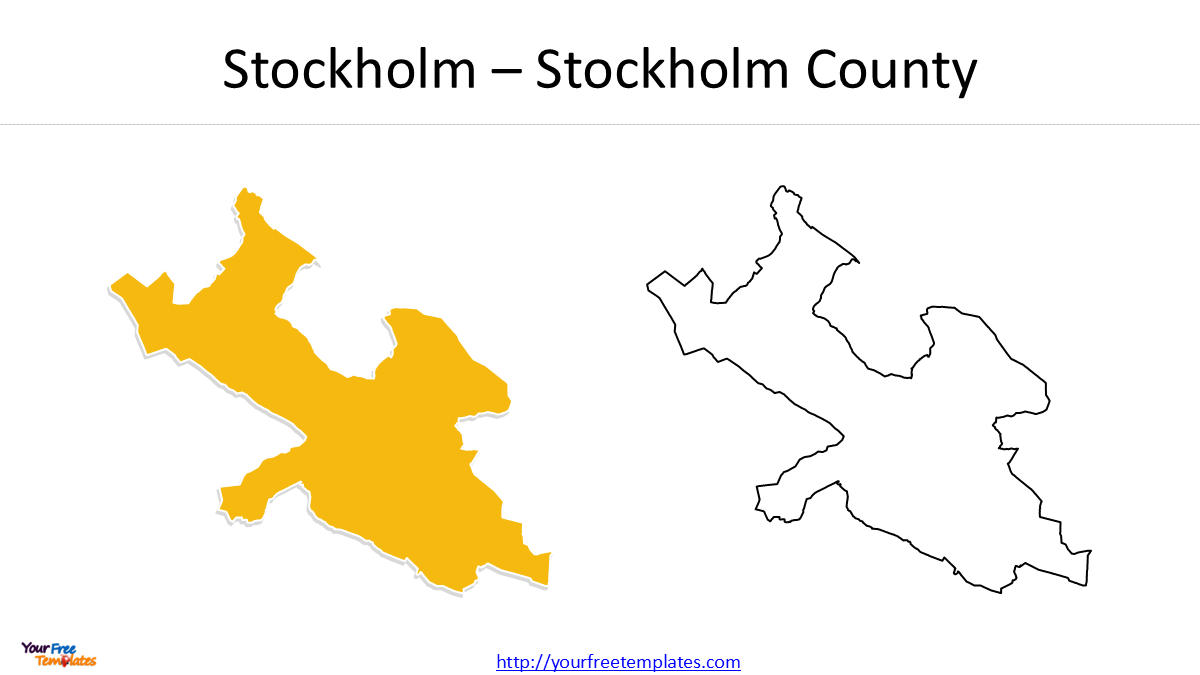
1. Stockholm – Stockholm County
Population (Municipality): Approximately 985,000 (2026 estimate)
County: Stockholm (Stockholms län)
Metropolitan Area: Approximately 2.4 million
Stockholm is the largest city in Sweden and the capital of the Kingdom of Sweden. Built on 14 islands connected by over 50 bridges, Stockholm is often called the “Venice of the North.” The city serves as Sweden’s political, economic, cultural, and media center.
Economic Profile & Industry Strengths:
-
Unicorn Factory: Stockholm is the second-largest tech hub in the world per capita (after Silicon Valley), having produced more billion-dollar startups (unicorns) per capita than any region outside the US, including Spotify, Klarna, King (Candy Crush), Mojang (Minecraft), Skype, and iZettle.
-
Finance & Banking: Stockholm is Sweden’s financial heart, hosting the Stockholm Stock Exchange (Nasdaq Stockholm), the headquarters of Sweden’s largest banks (Swedbank, SEB, Handelsbanken, Nordea’s Swedish operations), and numerous investment firms.
-
Public Administration: As the national capital, Stockholm hosts the Swedish government (Riksdag), the Prime Minister’s office, government ministries, and the Royal Palace.
-
Life Sciences & MedTech: Stockholm has a strong life sciences cluster, anchored by Karolinska Institutet (one of the world’s leading medical universities, which awards the Nobel Prize in Physiology or Medicine), AstraZeneca (major R&D presence), and numerous biotech and MedTech startups.
-
Gaming Industry: Stockholm is a major European gaming hub, home to Mojang (Minecraft), King (Candy Crush), Paradox Interactive, Embracer Group, and DICE (Battlefield).
-
Tech & Innovation: The city’s Kista Science City is often called “Sweden’s Silicon Valley,” hosting Ericsson (telecom giant), IBM, Huawei, and hundreds of tech startups.
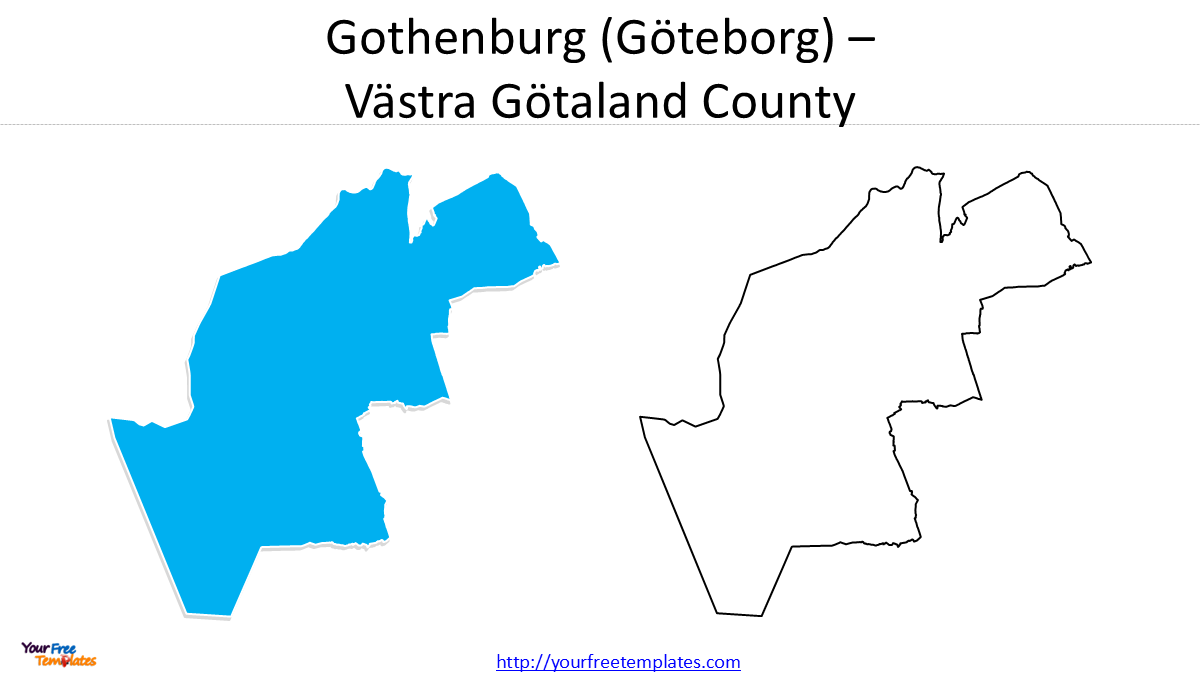
2. Gothenburg (Göteborg) – Västra Götaland County
Population (Municipality): Approximately 590,000 (2026 estimate)
County: Västra Götaland (Västra Götalands län)
Metropolitan Area: Approximately 1.1 million
Gothenburg is Sweden’s second-largest city and the capital of Västra Götaland County. Located on Sweden’s west coast, Gothenburg is the country’s primary seaport and a major industrial and logistics hub.
Economic Profile & Industry Strengths:
-
Port of Gothenburg: The Port of Gothenburg is the largest seaport in Scandinavia (by cargo volume), handling containers, roll-on/roll-off traffic (vehicles), and energy products (oil, LNG). The port is the primary gateway for Swedish trade with the world.
-
Volvo (AB Volvo & Volvo Cars): Gothenburg is the global headquarters of Volvo Group (trucks, buses, construction equipment, marine engines) and Volvo Cars (passenger automobiles, now owned by Geely). The automotive industry, including suppliers and R&D, employs tens of thousands.
-
Maritime & Offshore Technology: The city is a center for shipbuilding, marine engineering, and offshore technology, anchored by Stena (shipping, ferry, offshore drilling), SKF (bearings, founded in Gothenburg), and numerous maritime suppliers.
-
Logistics & Distribution: The port and the city’s position on major European transport corridors make Gothenburg a logistics hub for southern and western Sweden.
-
Life Sciences: Gothenburg has a growing life sciences sector, anchored by Sahlgrenska University Hospital (one of Sweden’s largest hospitals), AstraZeneca’s major R&D facility, and the University of Gothenburg’s medical faculty.
-
Volvo Ocean Race & Events: The city hosts major events including the Volvo Ocean Race (now The Ocean Race) and the Gothenburg Book Fair (Scandinavia’s largest literary event).
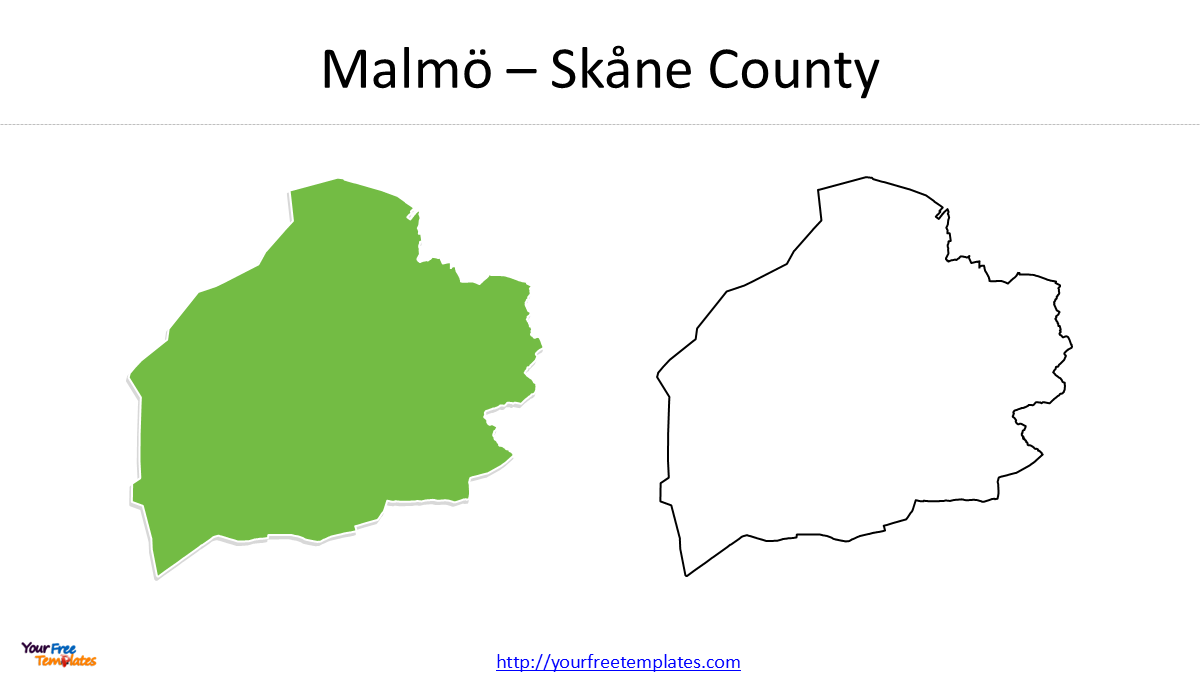
3. Malmö – Skåne County
Population (Municipality): Approximately 360,000 (2026 estimate)
County: Skåne (Skåne län)
Metropolitan Area: Approximately 750,000 (Øresund Region with Copenhagen: 4 million)
Malmö is Sweden’s third-largest city and the capital of Skåne County. Located at the southern tip of Sweden, Malmö is connected to Copenhagen, Denmark, via the Øresund Bridge—a combined railway and motorway bridge that has transformed the region into a trans-border economic powerhouse.
Economic Profile & Industry Strengths:
-
Øresund Region Integration: The Øresund Bridge (opened 2000) has created the Øresund Region, a trans-border metropolitan area of approximately 4 million people (1.2 million in Skåne, 2.8 million in Zealand). Many residents live in Malmö and commute to Copenhagen, while Danish companies have established operations in Malmö for lower costs and access to the Swedish market.
-
Logistics & Distribution: Malmö’s position as the gateway between Scandinavia and continental Europe (via the Øresund Bridge and ferries to Germany and Poland) makes it a major logistics hub. The Port of Malmö handles containers, roll-on/roll-off traffic, and bulk cargo.
-
CleanTech & Sustainable Urban Development: Malmö is internationally renowned for its sustainable urban development, particularly the Western Harbour (Västra Hamnen) district, which is powered entirely by renewable energy. The city has become a global showcase for green building, renewable energy, and sustainable transportation.
-
Life Sciences & MedTech: The Medicon Valley cluster (spanning Skåne and Zealand) is one of Europe’s leading life sciences regions, anchored by Lund University (near Malmö), the MAX IV Laboratory (a world-leading synchrotron radiation facility), and the European Spallation Source (ESS, a multidisciplinary research facility under construction).
-
Education & Research: Malmö University and Lund University (located 16 kilometers north, one of Europe’s top research universities) drive innovation and provide a highly educated workforce.
-
Challenges: Malmö faces challenges including higher unemployment than the national average (particularly among immigrant communities) and socio-economic segregation.
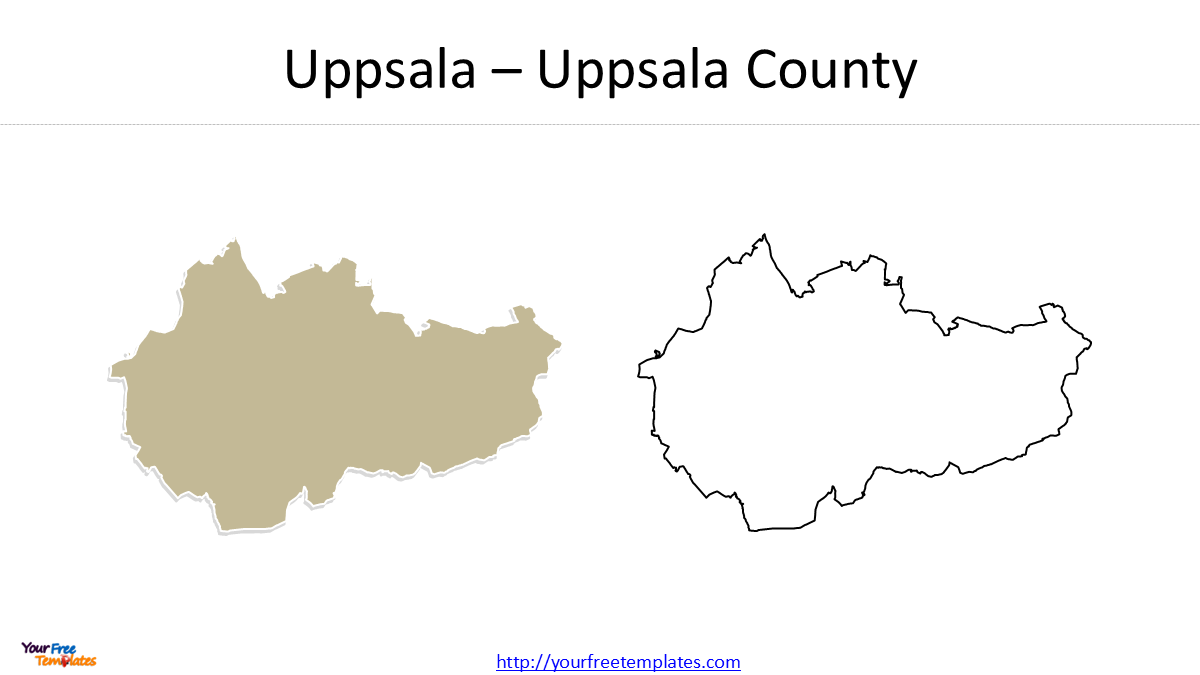
4. Uppsala – Uppsala County
Population (Municipality): Approximately 240,000 (2026 estimate)
County: Uppsala (Uppsala län)
Metropolitan Area: Approximately 250,000
Uppsala is Sweden’s fourth-largest city and the capital of Uppsala County. Located approximately 70 kilometers north of Stockholm, Uppsala is a historic university city dominated by Uppsala University, the oldest university in Scandinavia (founded in 1477).
Economic Profile & Industry Strengths:
-
University & Student Economy: Uppsala University is the city’s largest employer and economic driver, with over 45,000 students and 7,000 faculty and staff. The university drives research in medicine, biology, chemistry, engineering, and humanities.
-
Life Sciences & Biotech: Uppsala is a major European biotech hub, anchored by Uppsala University’s biomedical research, the Uppsala University Hospital, and numerous biotech and pharmaceutical companies including Cytiva (GE Healthcare’s life sciences division), Fresenius Kabi, Orexo, and BioInvent.
-
Pharmaceutical R&D: The city has a strong pharmaceutical research presence, with companies conducting drug discovery, clinical research, and pharmaceutical development.
-
Academic Spin-offs: Uppsala University has produced hundreds of spin-off companies, particularly in life sciences, diagnostics, and medical technology.
-
Tourism: Uppsala’s historic center includes Uppsala Cathedral (Scandinavia’s largest church, where Gustav Vasa and Carl Linnaeus are buried), Uppsala Castle, and the Linnaeus Garden (home of the father of modern taxonomy).
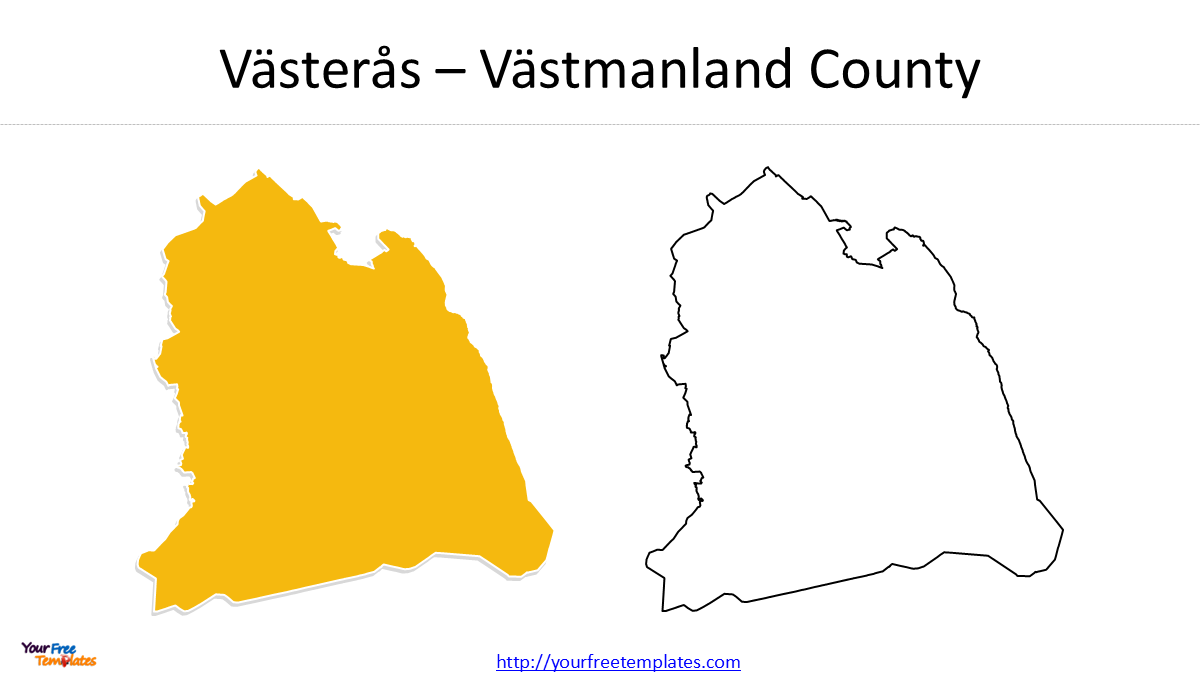
5. Västerås – Västmanland County
Population (Municipality): Approximately 160,000 (2026 estimate)
County: Västmanland (Västmanlands län)
Metropolitan Area: Approximately 160,000
Västerås is Sweden’s fifth-largest city and the capital of Västmanland County. Located on Lake Mälaren, approximately 100 kilometers west of Stockholm, Västerås is a historic industrial city that has successfully transitioned to power technology, engineering, and logistics.
Economic Profile & Industry Strengths:
-
Power & Energy Technology: Västerås is the global headquarters of ABB (ASEA Brown Boveri) in Sweden, focusing on power grids, electrification, robotics, and industrial automation. ABB’s presence has created a dense cluster of power technology, electrical engineering, and energy system suppliers.
-
Engineering & Automation: The city has a strong industrial engineering base, specializing in robotics, factory automation, and industrial control systems.
-
Logistics Hub: Västerås is a major logistics hub for central Sweden, anchored by the Port of Västerås (the largest inland port in Sweden, located on Lake Mälaren with access to the Baltic Sea via Stockholm) and the Västerås airport (cargo and regional passenger flights).
-
E-commerce Distribution: The city’s logistics infrastructure has attracted major e-commerce distribution centers serving the Stockholm region (approximately 1 hour by road).
-
Data Centers: Västerås has become a location for hyperscale data centers due to its reliable power supply, fiber connectivity, and proximity to Stockholm.
-
Challenges: The city faces the challenge of transitioning from traditional heavy industry (steel, engineering) to advanced manufacturing and logistics, a transition that ABB has driven successfully.
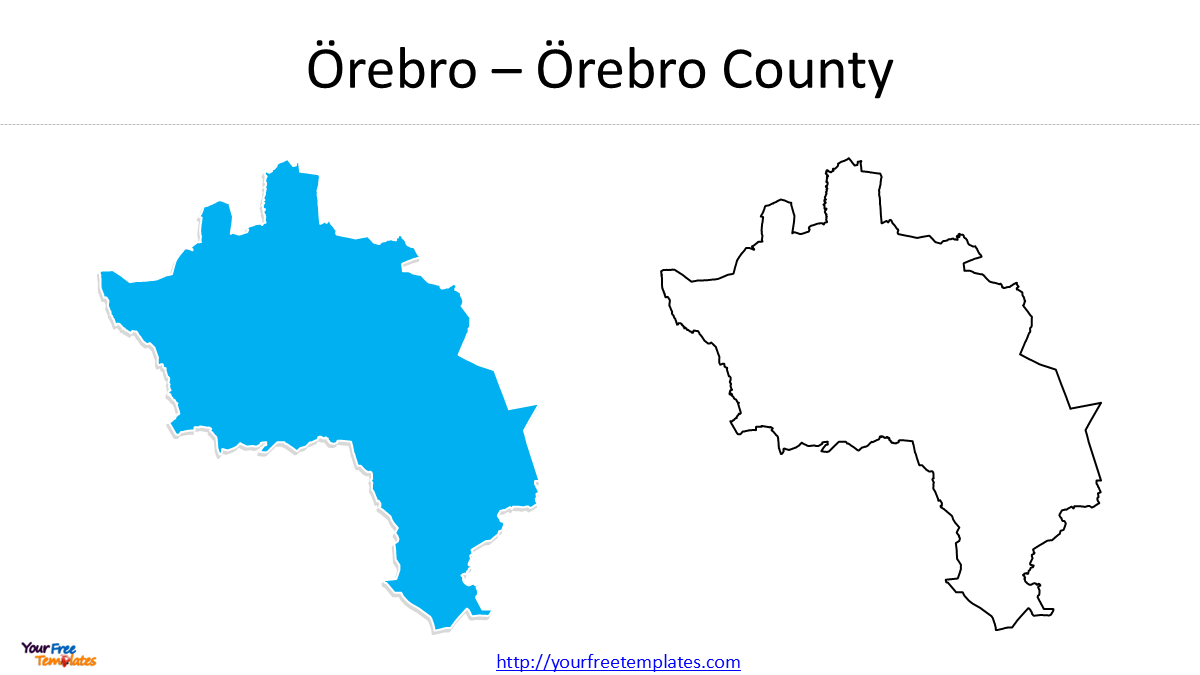
6. Örebro – Örebro County
Population (Municipality): Approximately 160,000 (2026 estimate)
County: Örebro (Örebro län)
Metropolitan Area: Approximately 160,000
Örebro is Sweden’s sixth-largest city and the capital of Örebro County. Located in central Sweden on the Svartån River, Örebro is a commercial and logistics hub for the Svealand region, roughly equidistant from Stockholm, Gothenburg, and Oslo (all approximately 200 kilometers away).
Economic Profile & Industry Strengths:
-
Logistics Hub (Node 7): Örebro is a major logistics hub for central Sweden. The city’s central location, at the intersection of major highways (E18 and E20) and railway lines connecting Stockholm, Gothenburg, and Oslo, makes it ideal for distribution. The “Node 7” logistics park is one of Sweden’s largest.
-
E-commerce Distribution: Major e-commerce companies, including Amazon, have established logistics centers in the Örebro region to serve the Swedish market.
-
Food & Beverage Industry: Örebro has a significant food processing and beverage industry, anchored by various national and international food companies.
-
Public Administration: As a county capital, Örebro hosts county administrative board and regional council offices, providing stable public sector employment.
-
University & Research: Örebro University has grown rapidly and now drives research in medicine, health sciences, business, and humanities, contributing to the city’s economic diversification.
-
Components & Manufacturing: The city has a diversified manufacturing base, including machinery components, automotive parts, and industrial equipment.
7. Linköping – Östergötland County
Population (Municipality): Approximately 165,000 (2026 estimate)
County: Östergötland (Östergötlands län)
Metropolitan Area: Approximately 170,000
Linköping is Sweden’s seventh-largest city and the capital of Östergötland County. Located in southern Sweden, Linköping is a major center for aviation, defense technology, and higher education, anchored by Saab AB and Linköping University.

Economic Profile & Industry Strengths:
-
Aviation & Aerospace: Linköping is the undisputed aviation capital of Scandinavia. Saab AB, the Swedish aerospace and defense company, is headquartered in Linköping and manufactures the Gripen fighter jet, as well as military aircraft, civil aviation components, and defense electronics.
-
Defense Technology: The city hosts the Swedish Defence Materiel Administration (FMV) and numerous defense technology suppliers, creating a dense aerospace and defense cluster.
-
Linköping University (LiU): Linköping University is a leading technical university, particularly strong in engineering, computer science, materials science, and medical technology. The university is the city’s second-largest employer and has produced numerous spin-off companies.
-
Science Park Mjärdevi: Located adjacent to the university, Science Park Mjärdevi is one of Sweden’s leading tech incubators, hosting over 400 companies in software, IT, electronics, and life sciences.
-
Information Technology & Software: Linköping has a strong IT sector, including software development, embedded systems, and telecommunications.
-
MedTech & Life Sciences: The university’s medical faculty and Linköping University Hospital drive research in medical technology, diagnostics, and digital health.
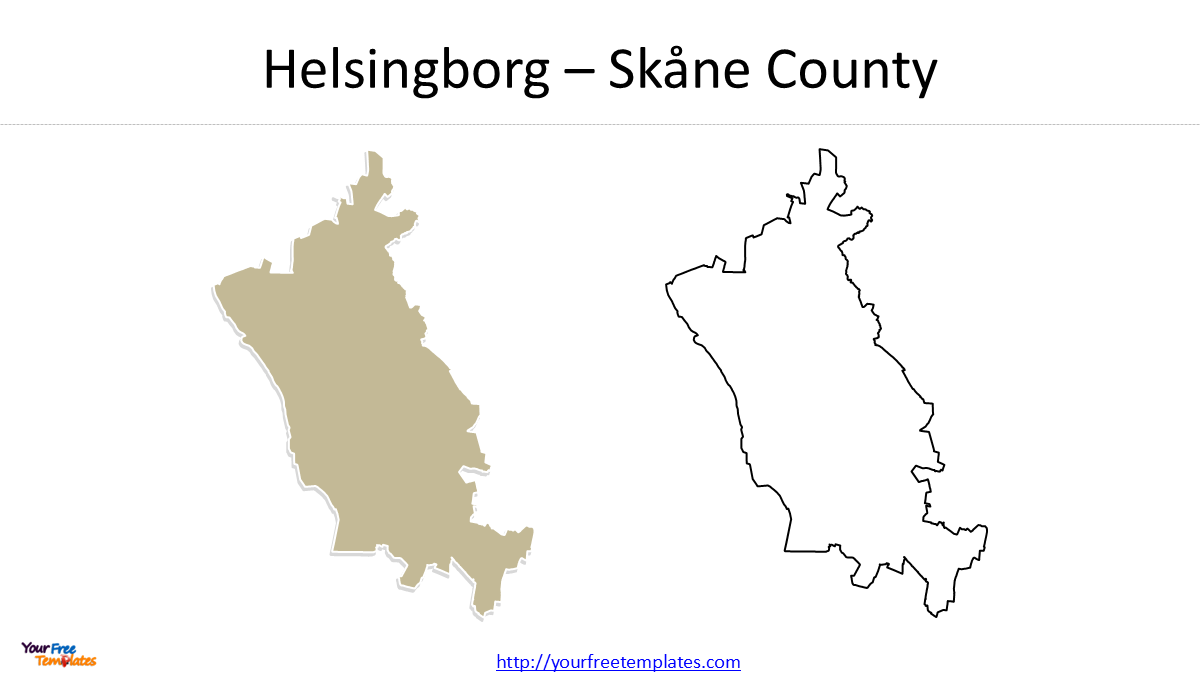
8. Helsingborg – Skåne County
Population (Municipality): Approximately 150,000 (2026 estimate)
County: Skåne (Skåne län)
Metropolitan Area: Approximately 750,000 (part of Øresund Region)
Helsingborg is Sweden’s eighth-largest city and a municipality in Skåne County. Located on the Øresund coast at the narrowest point of the strait, Helsingborg faces the Danish city of Helsingør (Elsinore) across the water—a distance of only 4 kilometers. Ferries connect the two cities, making Helsingborg a key gateway to Sweden from Denmark and continental Europe.
Economic Profile & Industry Strengths:
-
Logistics & Gateway Hub: Helsingborg’s ferry connections to Denmark (Helsingør) and its position on the E4 and E6 highways and railway lines make it a critical logistics gateway between continental Europe and Sweden. The Port of Helsingborg is one of the busiest in Sweden for containers and roll-on/roll-off traffic.
-
E-commerce & Distribution: The city has attracted major e-commerce and retail distribution centers, including IKEA (founded in nearby Älmhult), Axis Communications (global leader in network video surveillance, headquartered in Lund but with logistics in Helsingborg), and numerous logistics companies.
-
Trade & Commerce: Helsingborg’s position as a gateway has historically made it a commercial center, with strong retail, wholesale, and business services sectors.
-
Cross-Border Economy: Many Danes live in Helsingborg and commute to Copenhagen (via ferry and Øresund Bridge), while Swedish companies use Helsingborg as a base for Danish and continental European operations.
-
Media & Communication: The city has a growing media and communication technology sector, anchored by several digital marketing agencies and tech startups.
-
Urban Renewal: Helsingborg has invested significantly in urban renewal, including the redevelopment of its waterfront (Oceanpiren) and the H+ sustainable urban regeneration project (one of Europe’s largest urban renewal projects).
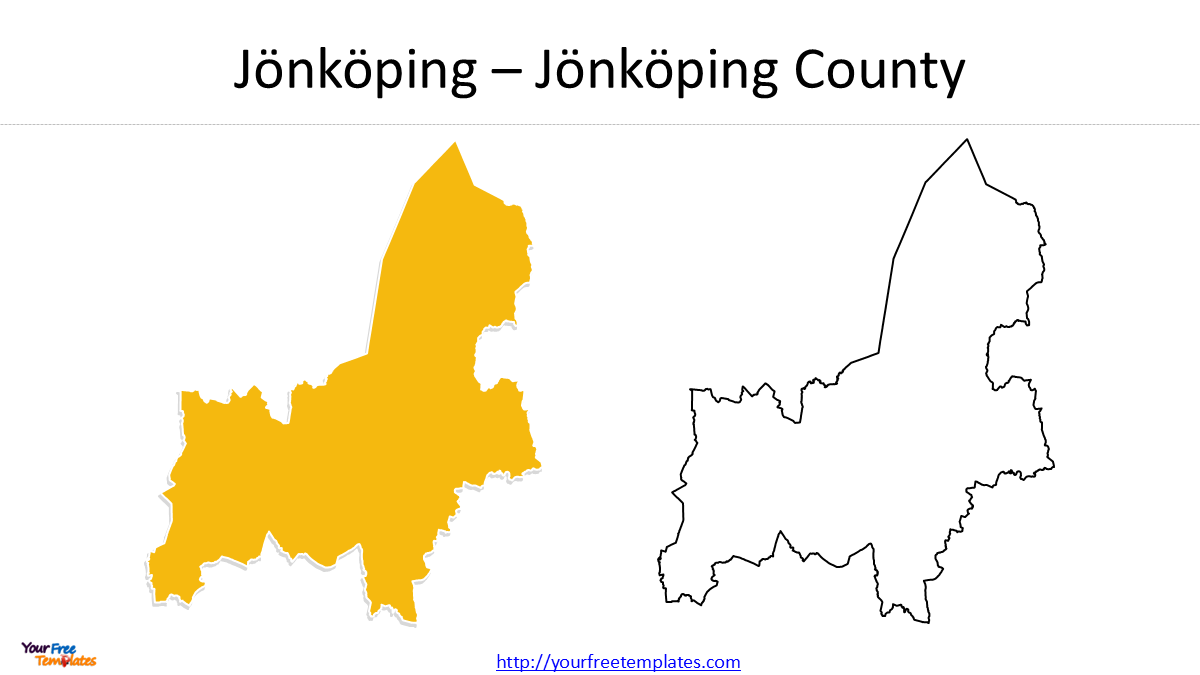
9. Jönköping – Jönköping County
Population (Municipality): Approximately 100,000 (2026 estimate)
County: Jönköping (Jönköpings län)
Metropolitan Area: Approximately 140,000 (with Huskvarna)
Jönköping is Sweden’s ninth-largest city and the capital of Jönköping County. Located at the southern tip of Lake Vättern (Sweden’s second-largest lake), Jönköping is a historic matchstick industry town that has diversified into trade fairs, logistics, and manufacturing.
Economic Profile & Industry Strengths:
-
Trade Fairs & Exhibitions: Elmia, one of Scandinavia’s largest exhibition and convention centers, is located in Jönköping. Elmia hosts major trade fairs including Elmia Wood (forestry, the world’s largest forestry fair), Elmia Subcontractor (industrial subcontracting), and Elmia Automation (industrial automation).
-
Matchstick Industry Heritage: Jönköping was historically the world capital of the matchstick industry, dominated by the Swedish Match company (founded in Jönköping). While match production has declined, the city retains a specialty in safety matches and fire-related products.
-
Logistics & Distribution: Jönköping’s central location in southern Sweden (at the intersection of highways E4 and E6) makes it a logistics hub for the Götaland region. The city has attracted logistics centers serving southern Sweden.
-
Manufacturing & Components: The region has a strong manufacturing base, including Husqvarna Group (outdoor power equipment, sewing machines, founded in nearby Huskvarna—now part of the Jönköping urban area), and numerous subcontractors in automotive, aerospace, and machinery components.
-
Dental Industry: Jönköping has a cluster of dental technology companies, including dental implants, prosthetics, and dental equipment suppliers.
-
Higher Education: Jönköping University is one of Sweden’s largest university colleges for applied sciences, with strengths in engineering, business, health sciences, and communication.
10. Norrköping – Östergötland County
Population (Municipality): Approximately 98,000 (2026 estimate)
County: Östergötland (Östergötlands län)
Metropolitan Area: Approximately 140,000 (with Linköping, forming the “Double Cities” region)
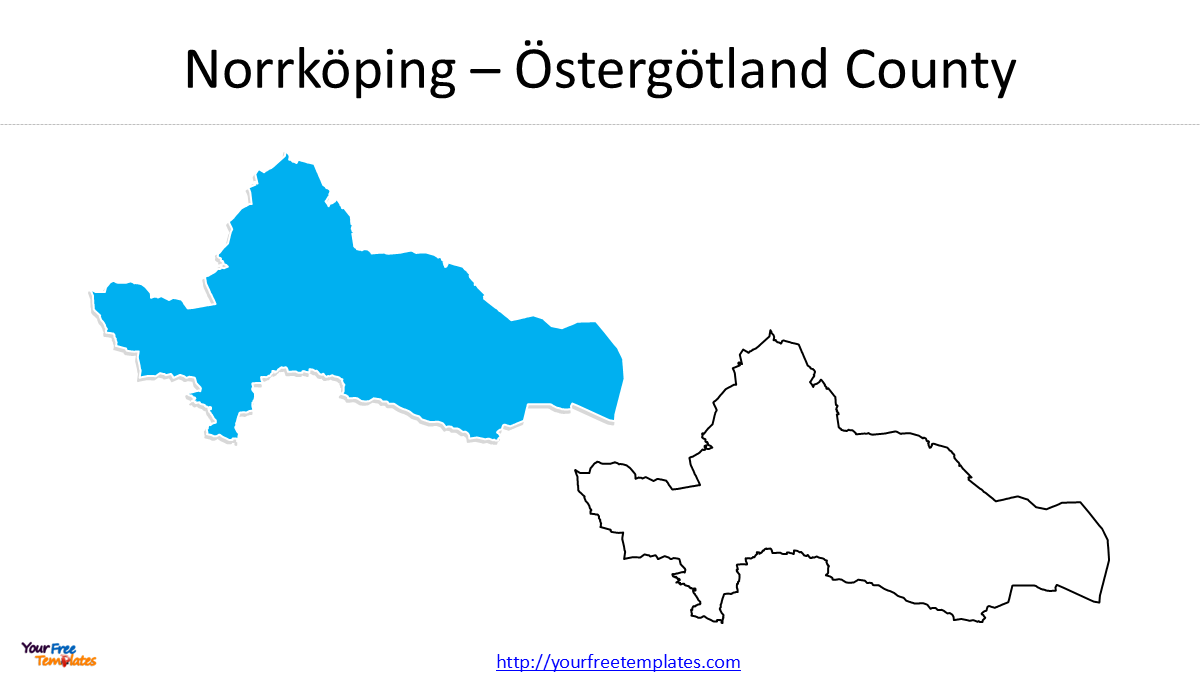
Norrköping is Sweden’s tenth-largest city and a municipality in Östergötland County. Located on the Motala River, approximately 40 kilometers east of Linköping, Norrköping forms a twin-city region with Linköping known as the “Double Cities” (Företagsstaden). Historically a textile industrial center (known as “Sweden’s Manchester”), Norrköping has successfully transitioned to a diversified modern economy.
Economic Profile & Industry Strengths:
-
Logistics Hub: Norrköping is a major logistics hub for eastern Sweden, anchored by the Port of Norrköping (one of Sweden’s busiest ports, handling containers, bulk cargo, and roll-on/roll-off traffic) and Norrköping Airport (cargo and regional passenger flights).
-
Industrial & Manufacturing Heritage (Post-Industrial Transition): Norrköping transformed from a textile and heavy industrial city to a diversified economy. The old industrial buildings along the Motala River have been converted into offices, museums (including the Visual Experience Center—a digital culture museum), and innovation hubs.
-
Metro (Double Cities) Integration: Norrköping and Linköping are increasingly integrated economically and logistically, forming a combined labor market of approximately 260,000 residents. The 40-kilometer corridor (E4 highway and railway) hosts logistics centers, industrial parks, and technology companies.
-
Paper & Pulp Industry: The region surrounding Norrköping has a significant paper and pulp industry, with the city serving as a logistics and administrative hub.
-
Proximity Benefits: Norrköping benefits from its proximity to Linköping’s aerospace, defense, and technology cluster while offering lower costs and different industrial specializations (port, logistics, heavy industry).
-
IT & Digital Media: The city has a growing IT and digital media sector, anchored by the Visual Experience Center (digital culture) and the conversion of old industrial buildings into creative workspaces.
-
Visiting Address (Many companies list Norrköping as their logistics address while operating in the wider region).
Comparative Analysis: Key Takeaways from the Sweden Population Ranking
| Rank | City | County | Population | Dominant Industry |
|---|---|---|---|---|
| 1 | Stockholm | Stockholm | 985,000 | Tech (unicorns), finance, gaming |
| 2 | Gothenburg | Västra Götaland | 590,000 | Port, automotive (Volvo), maritime |
| 3 | Malmö | Skåne | 360,000 | Logistics, clean tech, Øresund integration |
| 4 | Uppsala | Uppsala | 240,000 | University, life sciences, biotech |
| 5 | Västerås | Västmanland | 160,000 | Power tech (ABB), logistics |
| 6 | Örebro | Örebro | 160,000 | Logistics, e-commerce distribution |
| 7 | Linköping | Östergötland | 165,000 | Aviation (Saab), defense, IT |
| 8 | Helsingborg | Skåne | 150,000 | Logistics, gateway (Denmark), e-commerce |
| 9 | Jönköping | Jönköping | 100,000 | Trade fairs (Elmia), manufacturing |
| 10 | Norrköping | Östergötland | 98,000 | Port, logistics, post-industrial transition |
Key Observations on Swedish Cities by Size:
-
Stockholm’s Primacy: Stockholm is approximately 1.7 times larger than Gothenburg (second) and 2.7 times larger than Malmö (third)—a significant but not extreme primacy ratio, reflecting Sweden’s relatively balanced regional development compared to France or Austria.
-
The “Blue Banana” of Sweden: The southern third of Sweden (from Stockholm through Linköping, Norrköping, Jönköping, Gothenburg, and down to Malmö-Helsingborg) contains the vast majority of the population and economic activity, while the northern two-thirds (Norrland) is sparsely populated (approximately 12% of the population on 59% of the land area).
-
Tech Dominance: Stockholm’s position as the “unicorn factory” of Europe is unique among Nordic capitals. No other Swedish city has a comparable tech ecosystem, though Gothenburg (automotive tech) and Linköping (defense tech) have specialized technology clusters.
-
Logistics as a Common Thread: Seven of the ten largest cities in Sweden (Stockholm, Gothenburg, Malmö, Västerås, Örebro, Helsingborg, Norrköping) are major logistics hubs, reflecting Sweden’s export-oriented economy and the importance of maritime and road freight.
-
University Towns: Four of the top ten (Stockholm, Gothenburg, Uppsala, Linköping) are major university cities, with Uppsala and Linköping being particularly dominated by their universities and spin-off companies.
-
The Öresund Integration: Malmö’s integration with Copenhagen via the Öresund Bridge has created a unique trans-border metropolitan region, transforming Malmö from a declining industrial city into a dynamic logistics and clean-tech hub.
Download the PowerPoint Slides
This blog post is accompanied by an 11-slide PowerPoint deck:
-
Slide 1: National map of Sweden with municipality-level boundaries for all ten cities highlighted
-
Slides 2–11: Enlarged municipality-level city limit maps for Stockholm, Gothenburg, Malmö, Uppsala, Västerås, Örebro, Linköping, Helsingborg, Jönköping, and Norrköping
These slides are fully editable, allowing you to add your own population data, economic notes, or color coding. Visit yourfreetemplates.com to download the complete deck.
Looking for Premium maps, please visit our affiliate site: https://editablemaps.com/ or https://ofomaps.com/
Size:410K
Type: PPTX
Top 10 Largest Cities in Sweden Map Template
Click the link to download it.
Aspect Ratio: Widescreen 16:9
Click the green button to download it.
Download the 16:9 Template