

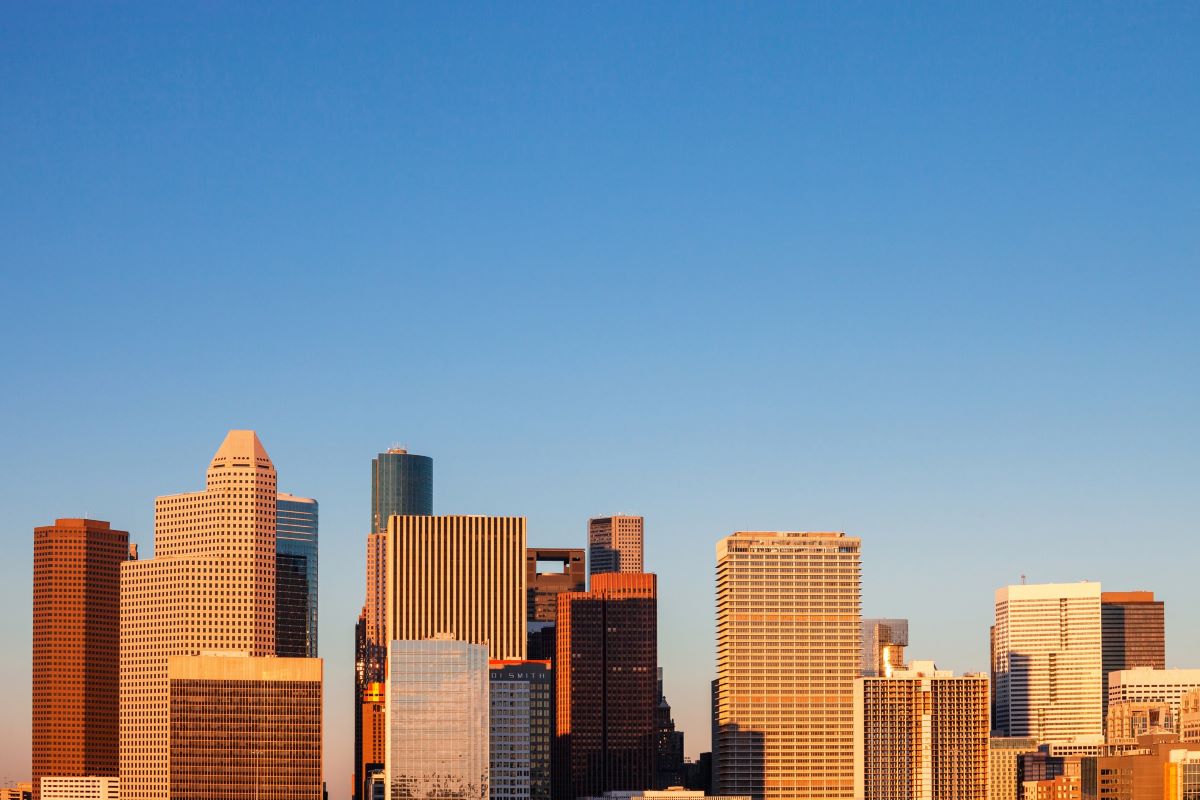
If you’re tracking where America’s tech economy is actually moving, you need to look at the fastest growing counties in Texas and the fastest growing counties in North Carolina. Travis County, home to Austin, and Wake County, home to Raleigh, have become the two most watched laboratories of high-growth urbanism in the country. They’ve joined the Million-Pop Club not by accident but by design—building economies that don’t just attract talent but manufacture it, keep it, and turn it into something lasting. Austin has its “Silicon Hills,” powered by Tesla and Samsung. Raleigh has its “Silicon Triangle,” anchored by Apple and the Research Triangle Park.
In 2026, these two counties are running parallel experiments in what the next era of American tech looks like, and the rest of the country is paying close attention.
The Tech-Surge Snapshot: 2026 Population Estimates
| County | Estimated Population | Tech Identity | What They’re Known For |
|---|---|---|---|
| Travis (TX) | 1,412,000 | Silicon Hills | Semiconductors, AI, Tesla |
| Wake (NC) | 1,225,000 | Silicon Triangle | Life Sciences, CleanTech, Apple |
At the end of this post, you can download our Episode 11: Fastest Growing Counties in Texas and Fastest Growing Counties in North Carolina: Austin vs Raleigh PowerPoint template to fit your purpose. As the same diagram PowerPoint template series, you can also find our 18 Fastest Growing US Counties, Top 12 Most Populous Countries, most dangerous cities in the US, Top 10 U.S. Cities with the Highest Violent Crime Rate, US Consolidated City County
- The New American Mosaic Summary
- The 18 Fastest Growing US Counties: Where America’s Future is Taking Shape
- 50 Megacounty: The Rise and Resilience of the Million-Pop Club
- Episode 1: Largest Counties in the US: Inside the Elite Million-Pop Club
- Episode 2: Largest Counties in California 2024: Orange, Riverside, San Bernardino & Bay Area Population
- Episode 3: Largest Counties in Texas: Inside the State’s 7 Million-Pop Powerhouses
- Episode 4: Largest Counties in Florida 2024: Miami-Dade, Broward, Palm Beach & Central Florida
- Episode 5: Mid-Atlantic counties over 1 million: Fairfax VA, Montgomery MD, Philadelphia & Allegheny PA
- Episode 6: Midwest Counties Over 1 Million: Cook County IL, Wayne County & Oakland County MI Population & Revitalization
- Episode 7: Most Populous Counties in California: LA, San Diego & Orange County
- Episode 8: Fastest Growing Counties in California
- Episode 9: Southwest Sun Giants- Maricopa County (Phoenix, AZ) and Clark County (Las Vegas, NV)
- Episode 10: The Southeast Powerhouses Atlanta vs Charlotte Showdown
Fastest Growing Counties in Texas-Travis County: Where Austin Outgrew “Weird”
I remember when “Keep Austin Weird” was actually a thing. You’d see the bumper stickers everywhere, and they meant something—a commitment to local culture, to music venues that didn’t corporate themselves to death, to a city that felt like a secret the rest of Texas hadn’t discovered yet.
That Austin is gone. In its place is something bigger, more complicated, and frankly more interesting.
The Tesla Effect
The numbers tell the story. Tesla’s Giga Texas—that massive, futuristic facility you can see from the airport—employs thousands. But the real impact isn’t the direct jobs. It’s what economists call the “gravity well.” For every engineer Tesla hires, three more jobs appear in the ecosystem around it: startups building software for autonomous vehicles, suppliers setting up shop nearby, venture capital firms opening Austin offices to be closer to the action.
Nvidia is here now. Samsung is building a massive campus in nearby Taylor. The semiconductor boom that reshaped Phoenix is now doing the same thing to Austin. Walk through the South Congress district in 2026, and you’ll hear conversations about chip yields and AI training clusters mixed in with the usual talk about barbecue and live music.
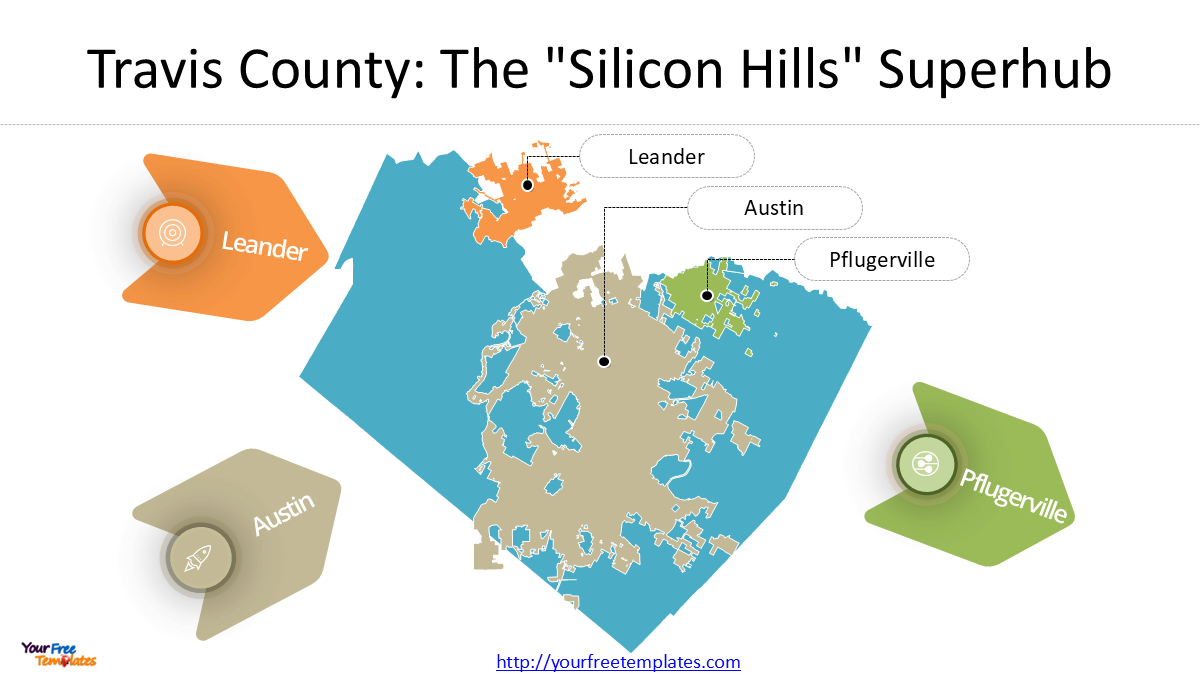
The Three Cities That Make Travis County Work
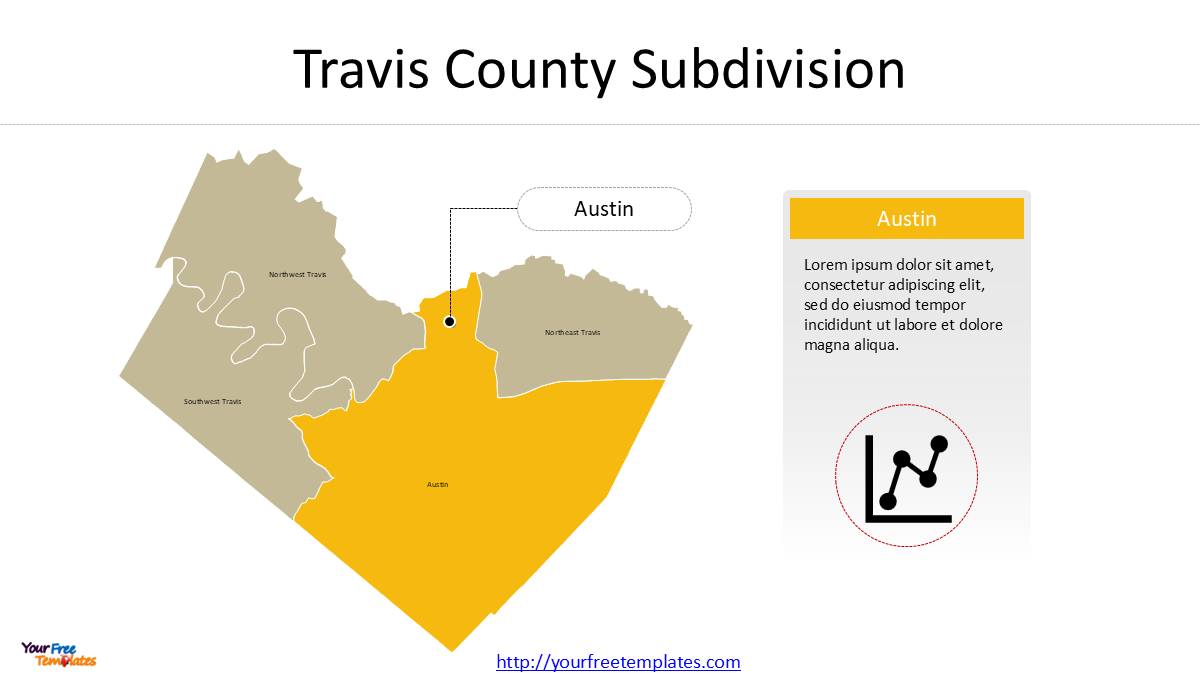
Austin (~1,007,000): This is the big one. In late 2025, Austin officially crossed the million-resident mark as a city. That’s a milestone that changes how people think about a place. The skyline is different now—taller, denser, full of glass towers that wouldn’t look out of place in Seattle or San Francisco. Rainey Street, once a quiet block of bungalows-turned-bars, is now a canyon of high-rise apartments. South Congress, which used to be funky, is now expensive. The city feels like it’s in a constant state of becoming.
Leander (~101,000): Up north, Leander is what happens when a bedroom community stops being a bedroom. It’s one of the fastest-growing cities in the country, period. Families move here because they can still afford a house with a yard, even if it means a longer commute. The schools are good, the developments are new, and the vibe is unapologetically suburban. It’s the opposite of weird, and that’s exactly why it works.
Pflugerville (~67,000): Sitting right between Austin and the Samsung plant in Taylor, Pflugerville has become the connective tissue of the regional economy. People here work everywhere—in Austin’s tech offices, in the chip factories to the east, in the logistics centers that support both. Locals have started calling it the “Chips-and-Salsa corridor,” which tells you everything about how food and tech have blended in Central Texas.
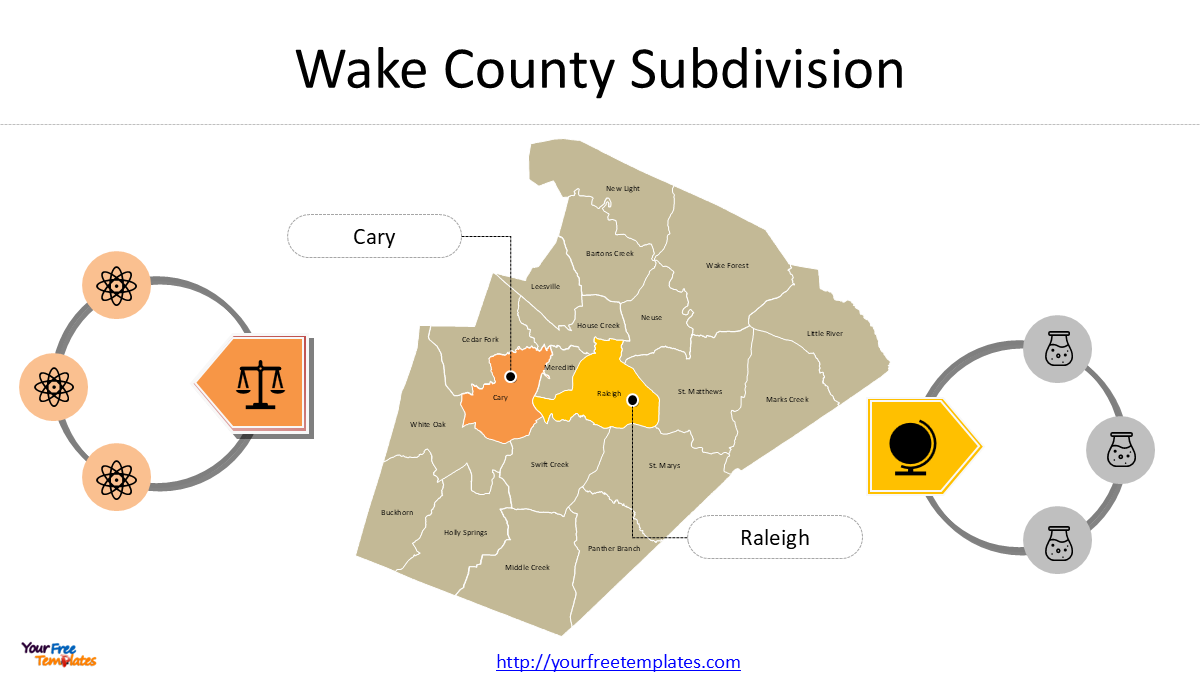
Fastest Growing Counties in North Carolina-Wake County: The Quiet Giant of the East Coast
If Travis County is the flashy, high-energy sibling, Wake County is the one who graduated summa cum laude and got a job at a research lab. It’s quieter, more deliberate, and in some ways more impressive.
The Apple Arrival
When Apple announced its first East Coast campus in the Research Triangle Park, the reaction was predictable: excitement, speculation, the usual boosterism. But in 2026, with the campus fully operational and over 3,000 AI and machine learning engineers in place, the scale of the impact is finally clear.
Apple didn’t just bring jobs. It brought a signal. When the world’s most valuable company picks your region for a major expansion, every other tech firm takes notice. Barclays moved its Americas headquarters here. BuildOps, a fast-growing construction tech company, chose Raleigh over Austin specifically because of the talent pipeline. The phrase “RTP” now carries weight in Silicon Valley boardrooms.
The PhD Factory
Here’s something that sets Wake County apart: the sheer density of advanced degrees. Cary, one of the county’s largest suburbs, has been called the “PhD Capital of the World.” That’s not just a boast—it’s a function of being surrounded by Duke, UNC-Chapel Hill, and NC State. Every year, thousands of graduates decide to stay. They don’t have to move to California anymore because the jobs have come to them.
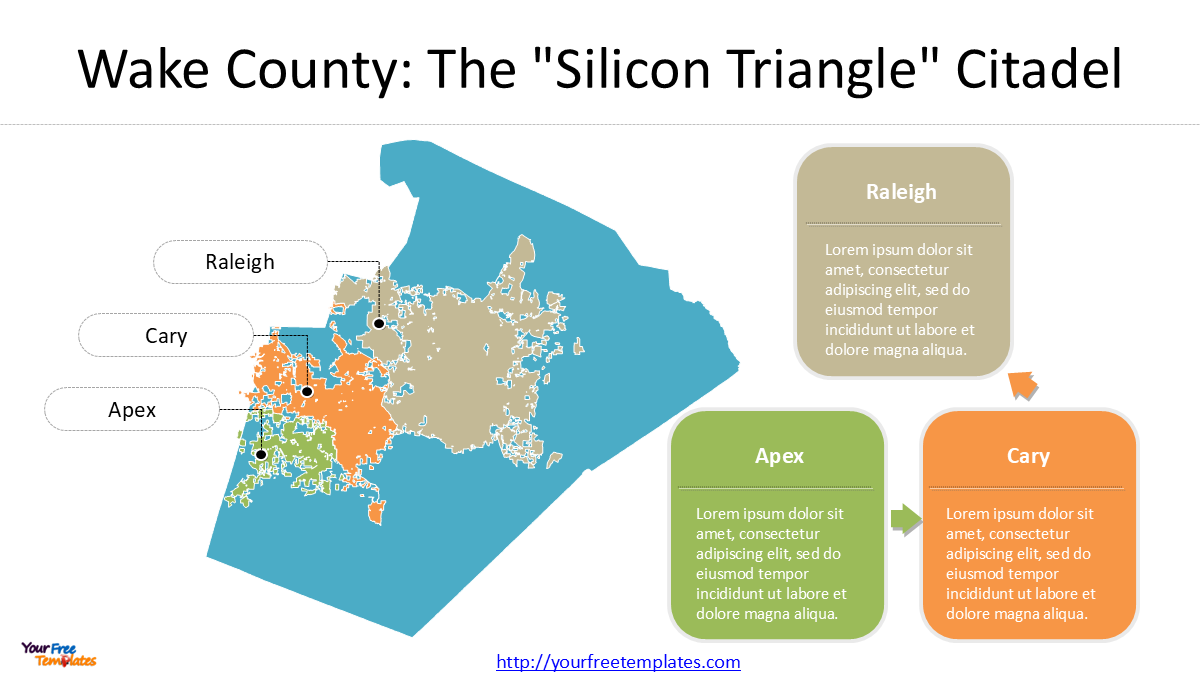
The Three Cities That Define Wake County
Raleigh (~512,000): The “City of Oaks” has managed something rare: integrating tech campuses into its historic fabric without losing its soul. Downtown Raleigh feels like a real downtown, not a corporate park pretending to be one. The universities anchor the culture. The green spaces are actually green. In 2026, Raleigh is what a lot of cities aspire to be—growing fast but still recognizable.
Cary (~187,000): If you want to understand Wake County’s economic engine, start here. SAS Institute, one of the largest privately held software companies in the world, has been in Cary for decades. The town has built itself around high-income, high-education residents with a level of intentionality that’s rare in American suburbs. The schools are nationally ranked. The parks are immaculate. It’s not cheap, but for families who can afford it, it’s hard to beat.
Apex (~75,000): The name fits. Apex has become the poster child for the “Suburban Renaissance” in the Research Triangle. In 2025, Energizer Holdings moved its corporate headquarters here, the kind of established company that traditionally would have stayed in the Midwest. That decision signals something: the Research Triangle is no longer just for startups and research labs. It’s for Fortune 500 companies looking for talent, quality of life, and lower costs than the coasts.
The Talent War: Austin vs. Raleigh
Economists in 2026 use something called the Talent Velocity Score to predict which of these “New Class” counties will hit two million first. The formula looks at local university graduates, net migration of tech workers, and housing costs. The comparison is revealing.
Austin’s Edge
Travis County wins on pure migration numbers. People are still moving here from California, from the Northeast, from everywhere. The brand is strong. Tesla and Samsung have created a sense of momentum that’s hard to replicate.
But there’s a cost. Austin is no longer cheap. It’s now a premium market, comparable to Seattle or Denver. The housing index in the Talent Velocity formula is working against it.
Raleigh’s Advantage
Wake County has something Austin can’t replicate: the density of universities. Duke, UNC, and NC State produce an enormous pipeline of graduates, many of whom want to stay. That keeps wages slightly lower and talent availability higher.
And crucially, housing costs are rising more slowly here. For tech companies making location decisions, that “value play” is increasingly attractive. BuildOps picked Raleigh over Austin specifically for this reason.
The Growing Pains No One Likes to Talk About
Both of these counties are dealing with the consequences of success.
Austin Fatigue
After a decade of hyper-growth, Travis County is exhausted. The infrastructure wasn’t built for this many people. Traffic on I-35 is genuinely awful. The power grid, managed by Texas’s independent system, has become a source of anxiety during summer heat waves. Residents who moved here for the culture are now fighting to keep any of it alive. “Keep Austin Weird” has been replaced, unofficially, by “Keep Austin Functional.”
The Displacement Problem
In both counties, the middle class is being pushed out. Teachers, firefighters, police officers—the people who make a city work—can’t afford to live in the urban core anymore. They’re moving to third-ring suburbs like Bastrop, Texas, or Johnston County, North Carolina. The commutes are brutal, but the math works.
Climate Reality
Austin deals with extreme heat and an unreliable grid. Raleigh deals with hurricanes that push inland farther than they used to. In 2026, “grid resilience” and “storm preparedness” are the top priorities for both county commissions. It’s not glamorous work, but it’s essential.
What Comes Next
Both Travis and Wake Counties will keep growing. The momentum is too strong to stop. But the character of that growth will differ. Austin will continue to be the flashy, high-cost, high-energy option. Raleigh will be the value play, the research-heavy alternative, the place where PhDs go to raise families.
Which model wins? That depends on what you’re looking for. If you want to be where the action is, where the deals get done and the skyline keeps changing, Austin is your answer. If you want stability, talent density, and a slower pace, Raleigh might be the move.
Either way, these two counties are showing the rest of the country what the next era of American tech looks like. It’s not in California anymore. It’s in the hills of Texas and the pine forests of North Carolina.
Looking for Premium maps, please visit our affiliate site: https://editablemaps.com/ or https://ofomaps.com/
Size:417K
Type: PPTX
Episode 11: Fastest Growing Counties in Texas and Fastest Growing Counties in North Carolina: Austin vs Raleigh Template
Click the link to download it.
Aspect Ratio: Widescreen 16:9
Click the green button to download it.
Download the 16:9 Template