

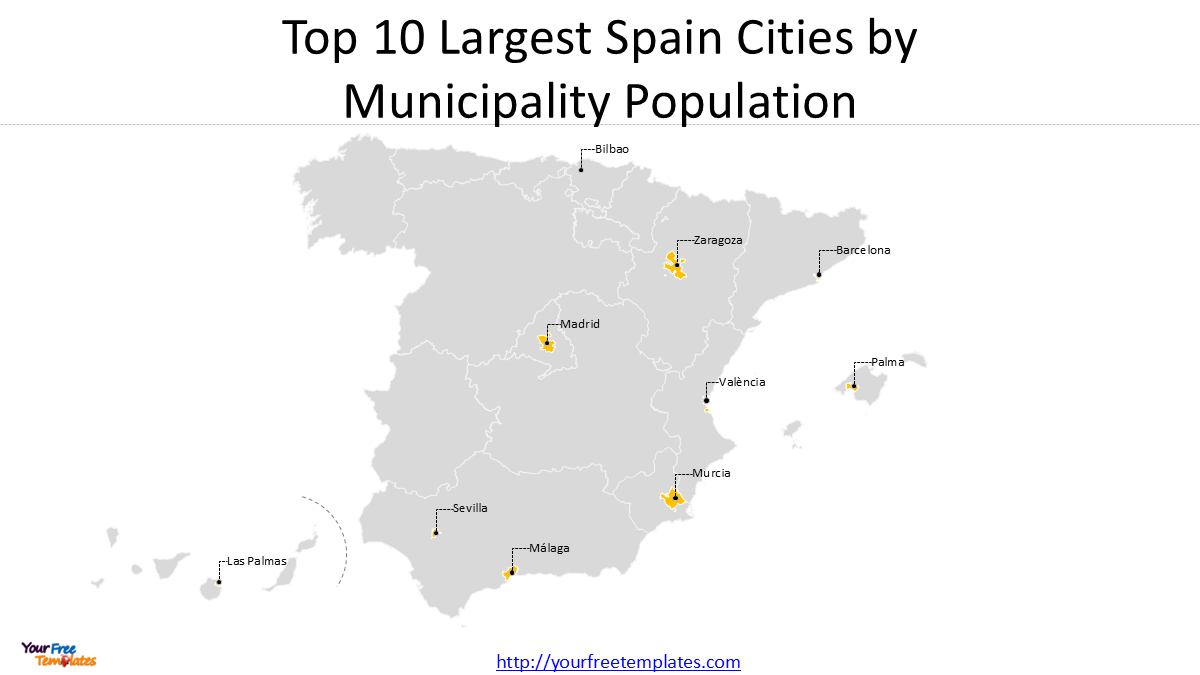
When analyzing the largest cities in Spain, it becomes evident that this Mediterranean nation of approximately 47.5 million people is defined by a balanced urban hierarchy where Madrid serves as both the political and economic capital, while Barcelona anchors the prosperous northeastern region, and a diverse array of regional capitals each maintain distinct economic specializations. Madrid, the capital, is Spain’s largest municipio with approximately 3.3 million residents, followed by Barcelona (1.6 million), the cosmopolitan capital of Catalonia, and Valencia (800,000), the vibrant hub of the Mediterranean coast. This Spain population ranking reveals a dynamic urban landscape where decentralization and regional autonomy have fostered strong secondary cities.
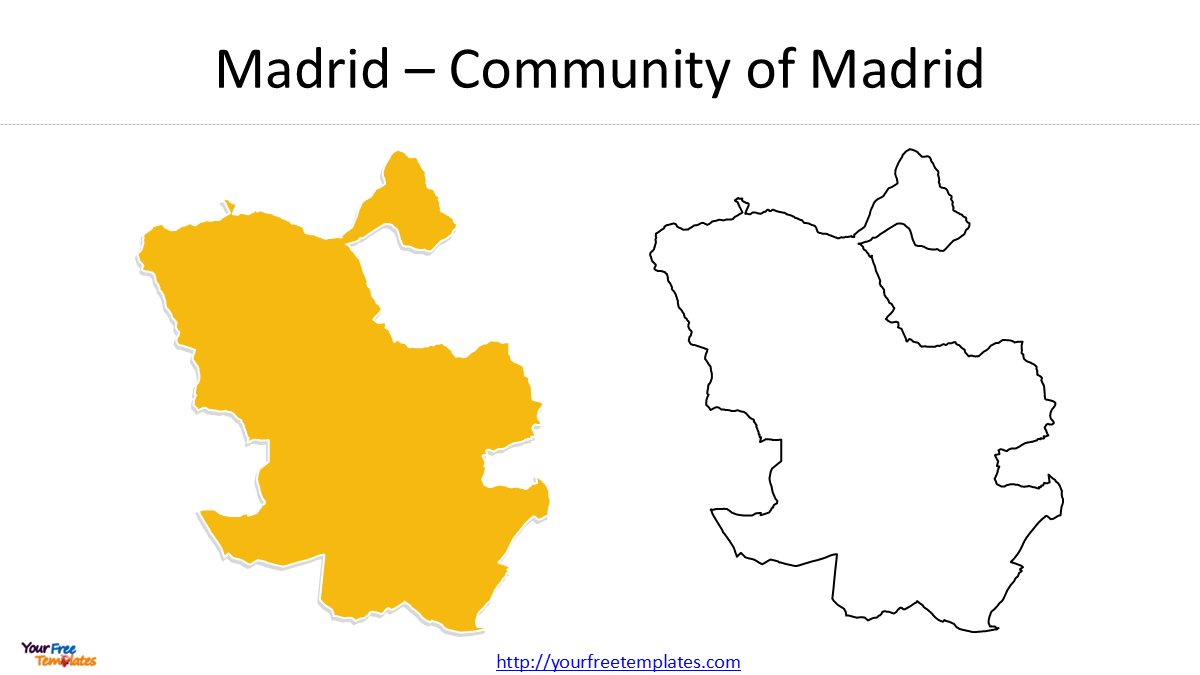
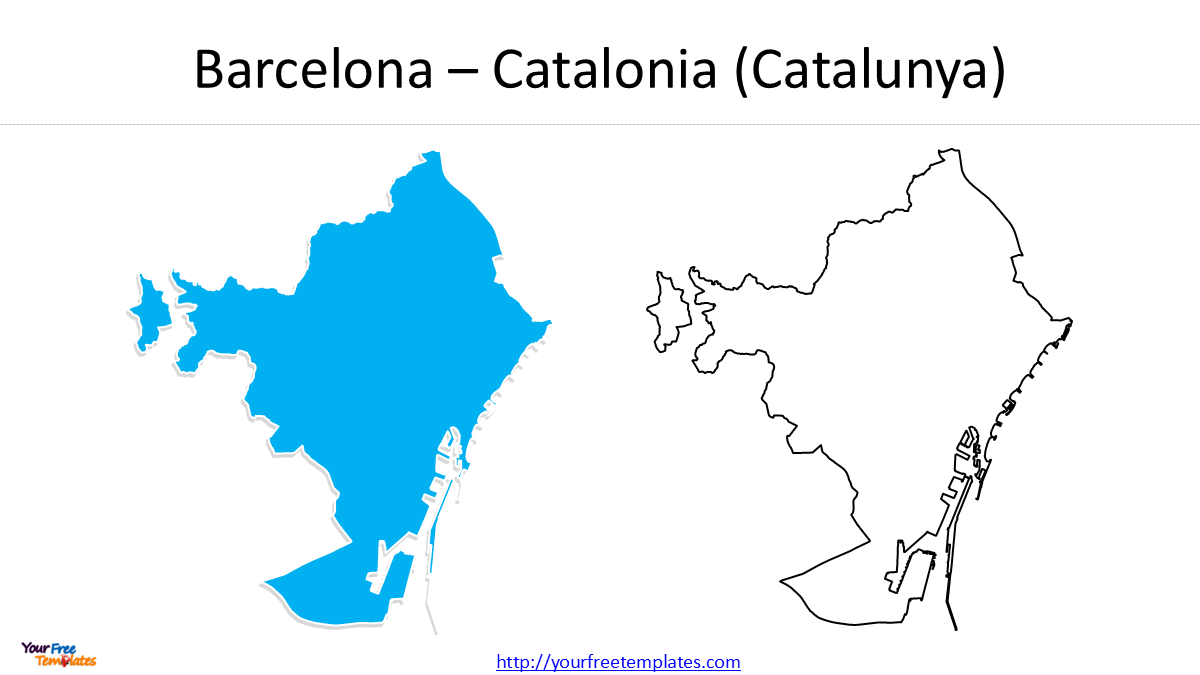
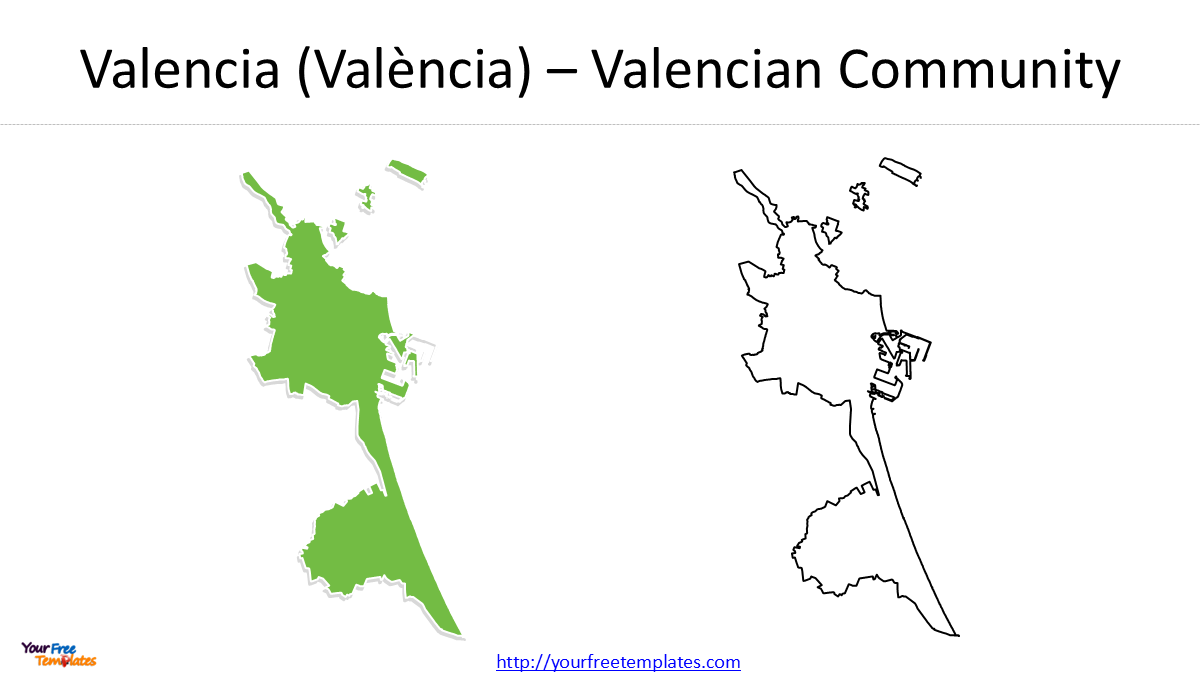
Below, we rank Spain’s ten most populous municipios—the administrative level equivalent to municipalities—and explore their population figures and key industries. To help you visualize this data, we have created an 11-slide PowerPoint deck featuring the national map of Spain with all ten city boundaries (municipio level) on slide 1, followed by individual enlarged municipio-level city limit maps for each city on slides 2 through 11.
You can check our largest cities series as below.
- Top 10 Largest Cities in France
- Top 10 Largest Cities in Netherlands
- Top largest cities in UK
- Top largest cities in Germany
- Top largest cities in US
- Top largest cities in Canada
- Top largest cities in Australia
- Top largest cities in Austria
- Top largest cities in Switzerland
Understanding Spain’s Municipio Boundaries
The municipio is the smallest administrative division in Spain, equivalent to a municipality. As of 2026, Spain has approximately 8,100 municipios, each with its own elected mayor (alcalde) and city council (ayuntamiento). The 17 autonomous communities (comunidades autónomas) oversee these municipios. When we refer to the population of Madrid, Barcelona, or Valencia, we are referring to the population within that municipio’s legal boundaries—not the larger metropolitan area. Our accompanying PowerPoint slides use precise shapefile data to outline each city at the municipio level.
Spain’s population reached approximately 47.5 million in 2026, with a median age of 44.8 years. The country’s urban population continues to concentrate in the coastal regions (Mediterranean and Atlantic) and Madrid, while rural interior areas face depopulation challenges.
The Ranking: Top 10 Largest Spanish Cities by Municipio Population
All population figures are based on 2025-2026 data from the Spanish National Statistics Institute (INE).
1. Madrid – Community of Madrid
Population (Municipio): Approximately 3,305,408 (2026 estimate)
Autonomous Community: Community of Madrid (Comunidad de Madrid)
Metropolitan Area: Approximately 6.7 million
Madrid is the largest city in Spain and the capital of the Kingdom of Spain. Located at the geographical center of the Iberian Peninsula, Madrid is the country’s political, economic, financial, and cultural capital. Unlike many European capitals, Madrid is not located on a major river, yet it has grown into one of Europe’s most dynamic metropolitan areas.
Economic Profile & Industry Strengths:
-
Financial Center: Madrid is Spain’s financial heart, hosting the Madrid Stock Exchange (Bolsa de Madrid), the headquarters of Spain’s largest banks (Santander, BBVA, CaixaBank, Bankinter), and major insurance companies (Mapfre, Mutua Madrileña). The AZCA and CTBA business districts (home to the “Four Towers” skyscrapers) are major corporate hubs.
-
Public Administration: As the national capital, Madrid hosts the Spanish government, the Cortes Generales (parliament), the Royal Palace, all government ministries, and the headquarters of most public agencies.
-
Tourism: Madrid is one of Europe’s most visited cities, attracting millions to the Prado Museum (home to masterpieces by Goya, Velázquez, and El Greco), the Reina Sofía Museum (Picasso’s “Guernica”), the Thyssen-Bornemisza Museum, the Royal Palace, Plaza Mayor, and the Puerta del Sol.
-
Technology & Startups: Madrid has emerged as a leading European tech hub, with a thriving startup ecosystem in fintech, e-commerce, and digital services. Google, Amazon, Microsoft, and IBM have major operations.
-
Transport & Logistics: Madrid is Spain’s primary transportation hub, served by Adolfo Suárez Madrid-Barajas Airport (one of Europe’s busiest), extensive high-speed rail (AVE) connections, and a vast highway network.
-
Economic Scale: The Community of Madrid produces approximately €230 billion in GDP annually, representing nearly 19% of Spain’s national economy.
2. Barcelona – Catalonia (Catalunya)
Population (Municipio): Approximately 1,660,435 (2026 estimate)
Autonomous Community: Catalonia (Catalunya)
Metropolitan Area: Approximately 5.1 million
Barcelona is Spain’s second-largest city and the capital of Catalonia. Located on the northeastern Mediterranean coast, Barcelona is a global center for tourism, commerce, design, and innovation. The city is famous for its unique architecture, particularly the works of Antoni Gaudí (Sagrada Família, Park Güell, Casa Batlló).
Economic Profile & Industry Strengths:
-
Tourism: Barcelona is one of the world’s most visited cities, with approximately 8-10 million annual tourists. Major attractions include the Sagrada Família (the unfinished basilica, one of Europe’s most visited monuments), Park Güell, Las Ramblas, the Gothic Quarter, and the Picasso Museum.
-
Port & Logistics: The Port of Barcelona is one of Europe’s busiest Mediterranean ports, handling containers, cruise ships (one of Europe’s leading cruise hubs), and roll-on/roll-off traffic.
-
Technology & Innovation: Barcelona has become a leading European tech hub, particularly in mobile technology (Mobile World Congress, the world’s largest mobile industry event), smart cities, and digital innovation.
-
Design & Fashion: Barcelona is a center for industrial design, fashion, and architecture. The city hosts the Barcelona Design Week and is home to numerous fashion brands (Mango, Desigual) and design studios.
-
Trade Fairs: Fira de Barcelona is one of Europe’s largest exhibition centers, hosting major events including Mobile World Congress, ISE (Integrated Systems Europe), and the Barcelona International Boat Show.
3. Valencia (València) – Valencian Community
Population (Municipio): Approximately 807,693 (2026 estimate)
Autonomous Community: Valencian Community (Comunitat Valenciana)
Metropolitan Area: Approximately 1.5 million
Valencia is Spain’s third-largest city and the capital of the Valencian Community. Located on the Mediterranean coast, Valencia is known for its City of Arts and Sciences (Ciutat de les Arts i les Ciències), its historic old town, and as the birthplace of paella.
Economic Profile & Industry Strengths:
-
Port & Logistics: The Port of Valencia is the busiest container port in Spain and one of the busiest in the Mediterranean, serving as a key gateway for trade with Asia, the Middle East, and Africa.
-
Tourism: Valencia attracts visitors to the City of Arts and Sciences (designed by Santiago Calatrava), the historic Central Market (one of Europe’s largest covered markets), the Cathedral (home to the Holy Grail), and the Fallas festival (a UNESCO Intangible Cultural Heritage).
-
Agriculture & Agribusiness: The region surrounding Valencia is a major producer of citrus fruits (oranges, lemons), rice (for paella), and olives. Valencia is the commercial hub for this agricultural economy.
-
Ceramics & Manufacturing: The Valencia region, particularly the nearby town of Manises, is a traditional center for ceramics and tiles.
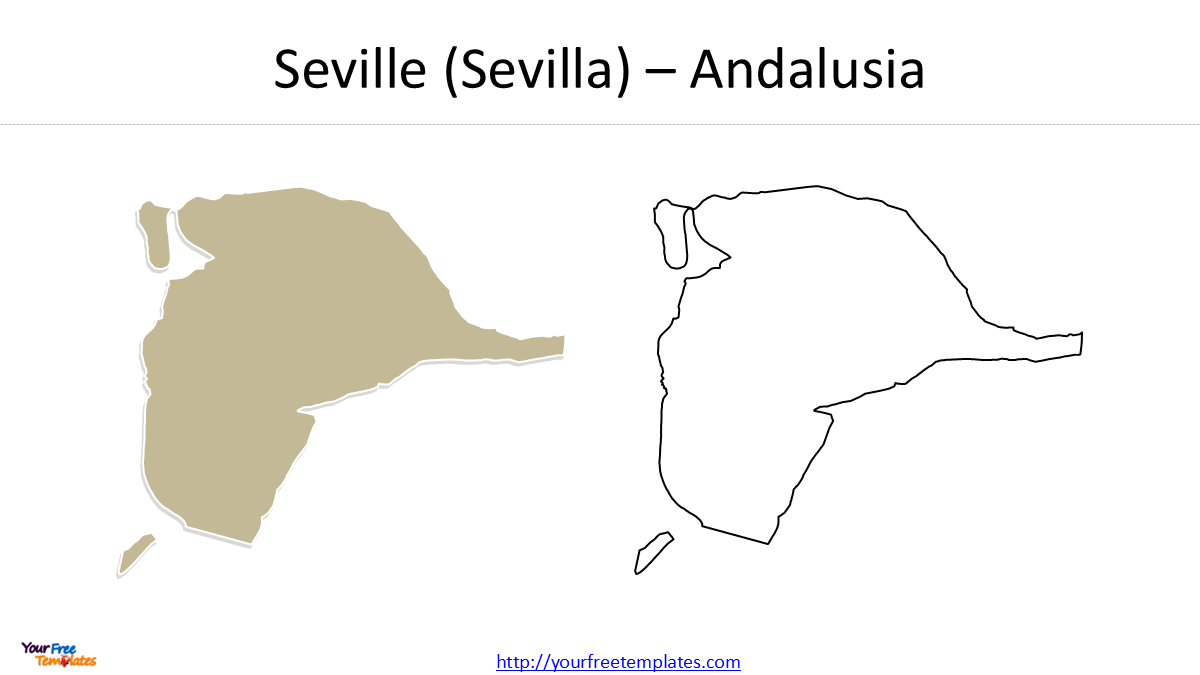
4. Seville (Sevilla) – Andalusia
Population (Municipio): Approximately 684,234 (2026 estimate)
Autonomous Community: Andalusia (Andalucía)
Metropolitan Area: Approximately 1.5 million
Seville is Spain’s fourth-largest city and the capital of Andalusia. Located on the Guadalquivir River, Seville is the cultural and financial heart of southern Spain, famous for its flamenco, bullfighting, and Moorish architecture.
Economic Profile & Industry Strengths:
-
Tourism: Seville is a major tourist destination, attracting visitors to the Alcázar of Seville (a Moorish royal palace, featured in “Game of Thrones”), the Seville Cathedral (the largest Gothic cathedral in the world, housing the tomb of Christopher Columbus), the Giralda tower, and the Plaza de España.
-
Port & Logistics: The Port of Seville is Spain’s only inland seaport, located 80 kilometers up the Guadalquivir River, handling bulk cargo, containers, and agricultural products.
-
Aerospace: Seville has a significant aerospace industry, anchored by Airbus Defence and Space (which produces the A400M military transport aircraft and components for Airbus commercial aircraft).
-
Agribusiness: The region is a major producer of olives (olive oil), sherry wine (from nearby Jerez), citrus fruits, and cork.
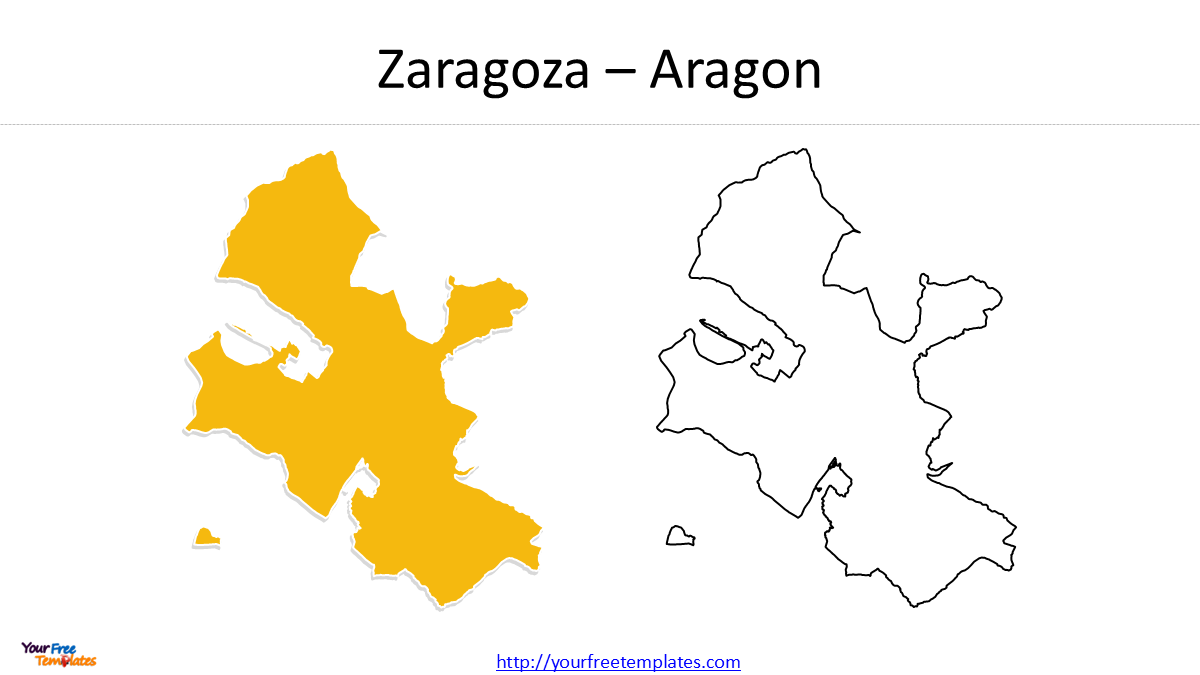
5. Zaragoza – Aragon
Population (Municipio): Approximately 682,513 (2026 estimate)
Autonomous Community: Aragon (Aragón)
Metropolitan Area: Approximately 800,000
Zaragoza is Spain’s fifth-largest city and the capital of Aragon. Located on the Ebro River, roughly equidistant between Madrid, Barcelona, Valencia, and Bilbao, Zaragoza is a major logistics and industrial hub.
Economic Profile & Industry Strengths:
-
Logistics Hub: Zaragoza’s strategic location makes it Spain’s premier logistics hub. The city hosts the PLAZA logistics platform (Plataforma Logística de Zaragoza), one of Europe’s largest logistics parks, serving as a distribution center for retailers including Inditex (Zara), Amazon, and Decathlon.
-
Automotive: Zaragoza hosts the Opel (now Stellantis) assembly plant, one of Spain’s largest automotive factories, producing the Opel Corsa and other models.
-
Trade Fairs: Feria de Zaragoza is a major exhibition center hosting industrial and agricultural trade fairs, including FIMA (International Agricultural Machinery Fair).
-
Food Processing: The region is a major producer of food products, including fruit, vegetables, wine (Cariñena and Campo de Borja DOs), and cured meats.
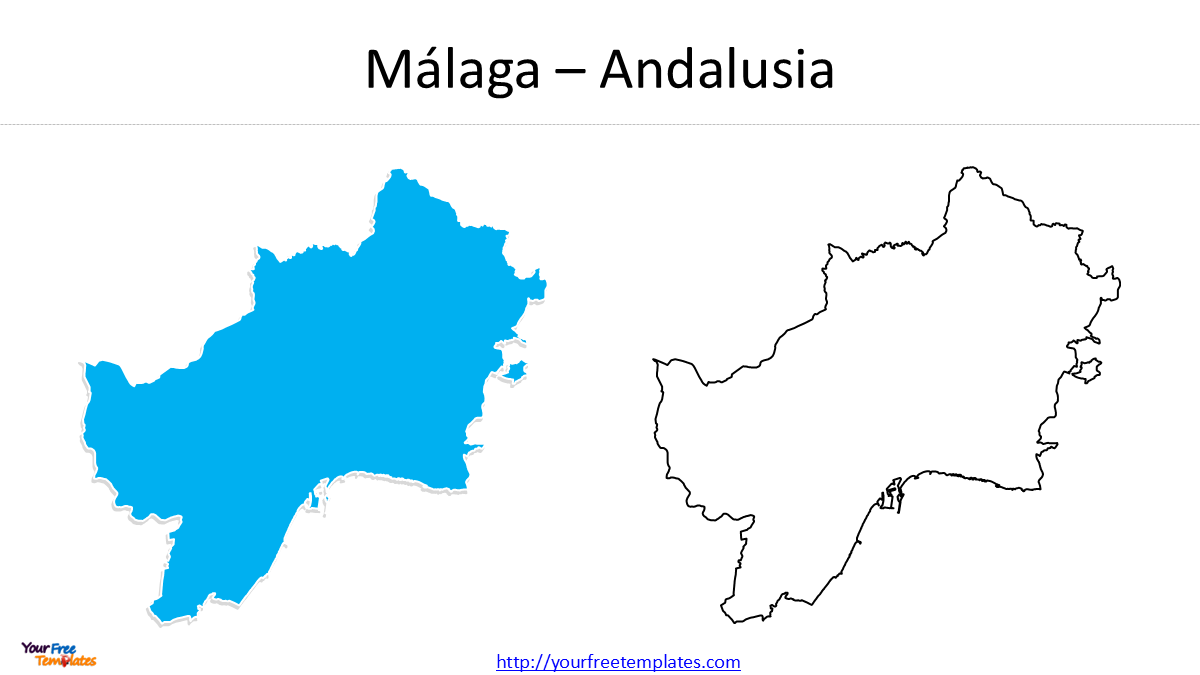
6. Málaga – Andalusia
Population (Municipio): Approximately 585,000 (2026 estimate)
Autonomous Community: Andalusia
Metropolitan Area: Approximately 1 million
Málaga is Spain’s sixth-largest city and the capital of the Costa del Sol. Located on the southern Mediterranean coast, Málaga has transformed from a traditional port city into a vibrant cultural and technology hub.
Economic Profile & Industry Strengths:
-
Tourism: Málaga is the gateway to the Costa del Sol, one of Europe’s premier beach destinations. Attractions include the Alcazaba (Moorish fortress), the Roman Theatre, the Cathedral (known as “La Manquita”—the one-armed lady), and the Picasso Museum (Pablo Picasso was born in Málaga).
-
Technology & Startups: Málaga has emerged as Spain’s leading “sunbelt” tech hub, attracting startups, digital nomads, and technology companies including Google (which has a cybersecurity center) and Vodafone.
-
Port & Cruise Ships: The Port of Málaga is a major cruise ship destination and handles commercial cargo.
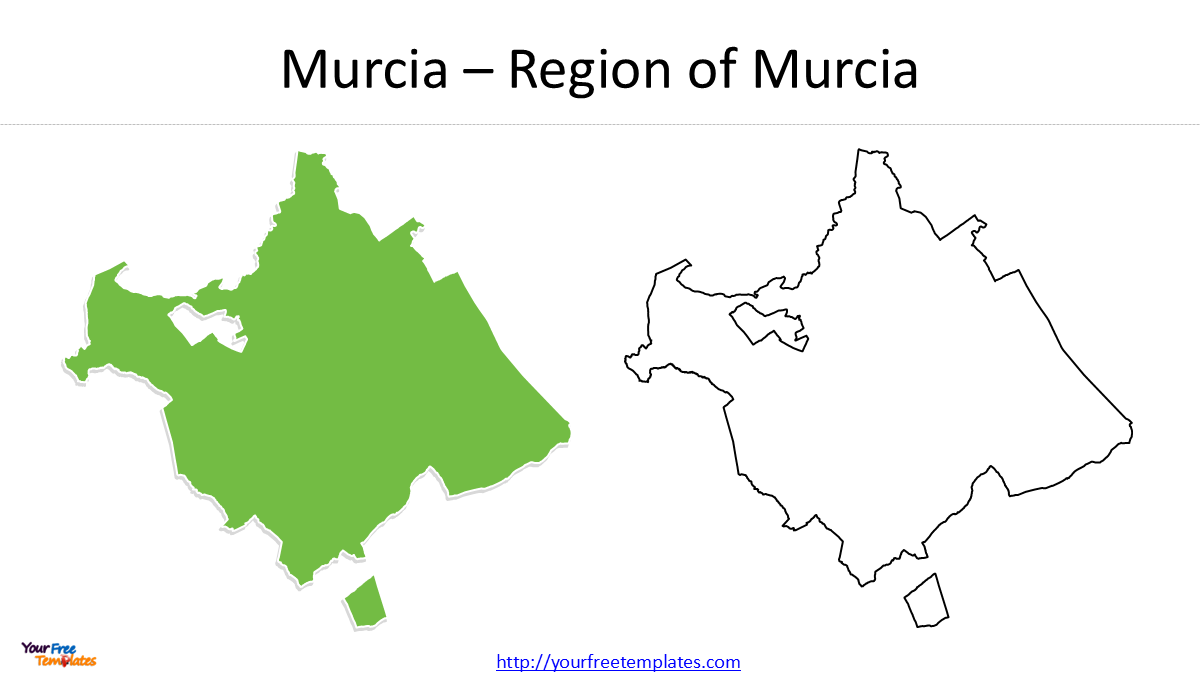
7. Murcia – Region of Murcia
Population (Municipio): Approximately 469,000 (2026 estimate)
Autonomous Community: Region of Murcia (Región de Murcia)
Metropolitan Area: Approximately 700,000
Murcia is Spain’s seventh-largest city and the capital of the Region of Murcia. Located in southeastern Spain, Murcia is the commercial and administrative hub of one of Spain’s most productive agricultural regions.
Economic Profile & Industry Strengths:
-
Agriculture & Agribusiness: The Region of Murcia is known as the “orchard of Europe” (la huerta de Europa), producing fresh fruits, vegetables, and flowers for export throughout Europe. Murcia city serves as the commercial hub for this agricultural economy.
-
Tourism: The nearby Mar Menor (a coastal lagoon) and Mediterranean beaches attract tourism, as does the city’s historic Cathedral, the Real Casino, and the Baroque churches.
-
Food Processing: Murcia has a significant food processing industry, including canning, packaging, and cold storage facilities for agricultural products.
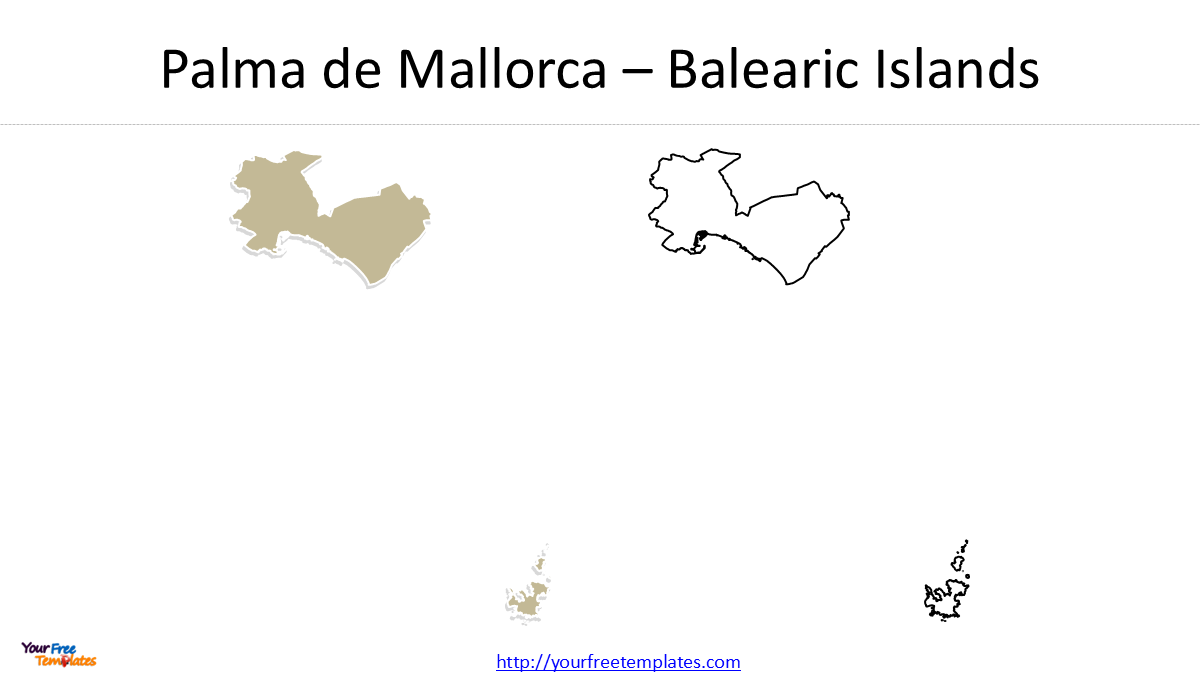
8. Palma de Mallorca – Balearic Islands
Population (Municipio): Approximately 430,000 (2026 estimate)
Autonomous Community: Balearic Islands (Illes Balears)
Metropolitan Area: Approximately 550,000
Palma de Mallorca is Spain’s eighth-largest city and the capital of the Balearic Islands. Located on the island of Mallorca in the Mediterranean Sea, Palma is a major tourist destination and the economic hub of the Balearic archipelago.
Economic Profile & Industry Strengths:
-
Tourism: Palma is one of Europe’s leading tourist destinations, attracting visitors to its Gothic Cathedral (La Seu), Bellver Castle (a circular Gothic castle), the historic old town (Casco Antiguo), and the nearby beaches. The city also serves as a cruise ship hub.
-
Maritime Economy: The Port of Palma handles passenger ferries to mainland Spain (Barcelona, Valencia, Dénia), commercial cargo, and yacht services.
-
Services & Retail: The city’s economy is dominated by tourism-related services, including hotels, restaurants, retail, and real estate.
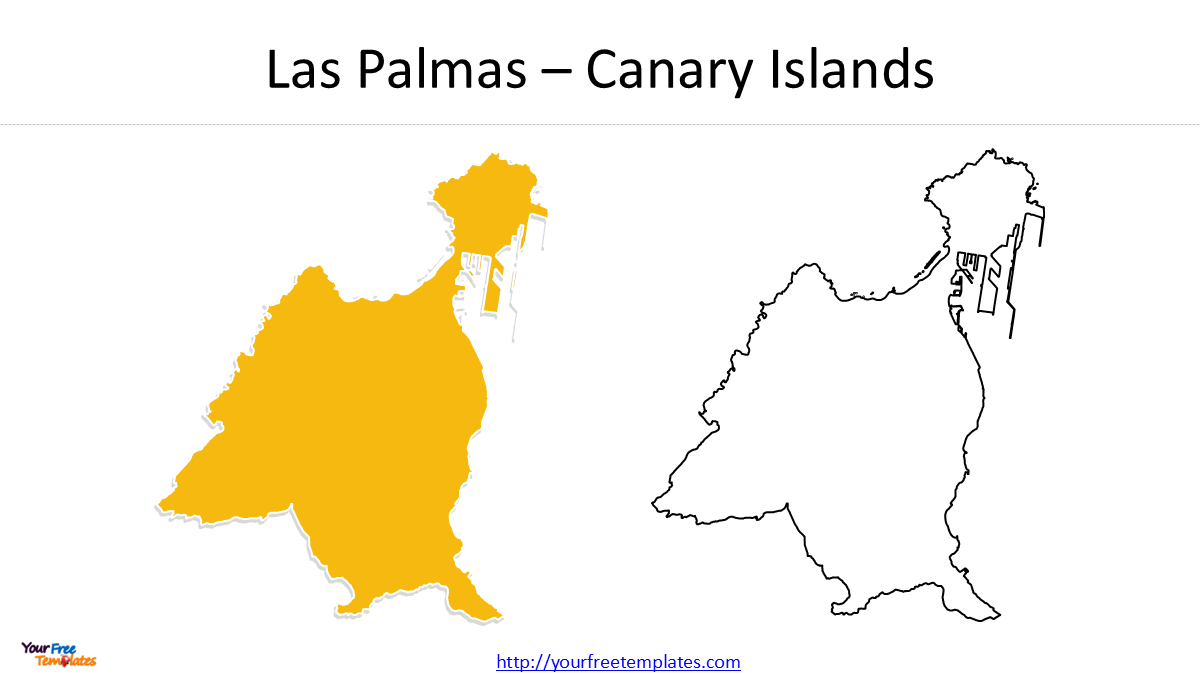
9. Las Palmas – Canary Islands
Population (Municipio): Approximately 383,000 (2026 estimate)
Autonomous Community: Canary Islands (Islas Canarias)
Metropolitan Area: Approximately 640,000 (with Santa Cruz de Tenerife)
Las Palmas de Gran Canaria is Spain’s ninth-largest city and one of the two capitals of the Canary Islands (sharing capital status with Santa Cruz de Tenerife). Located on the island of Gran Canaria, the city is a major Atlantic port and tourist destination.
Economic Profile & Industry Strengths:
-
Port & Logistics: The Port of Las Palmas is one of the busiest ports in the Atlantic, serving as a major refueling and provisioning stop for cargo ships, fishing vessels, and cruise ships crossing the Atlantic.
-
Tourism: Las Palmas is a major tourist destination, known for its Las Canteras beach, the historic district of Vegueta (a UNESCO World Heritage Site), and the Carnival of Las Palmas.
-
Ship Repair & Maritime Services: The port supports a significant ship repair and maritime services industry.
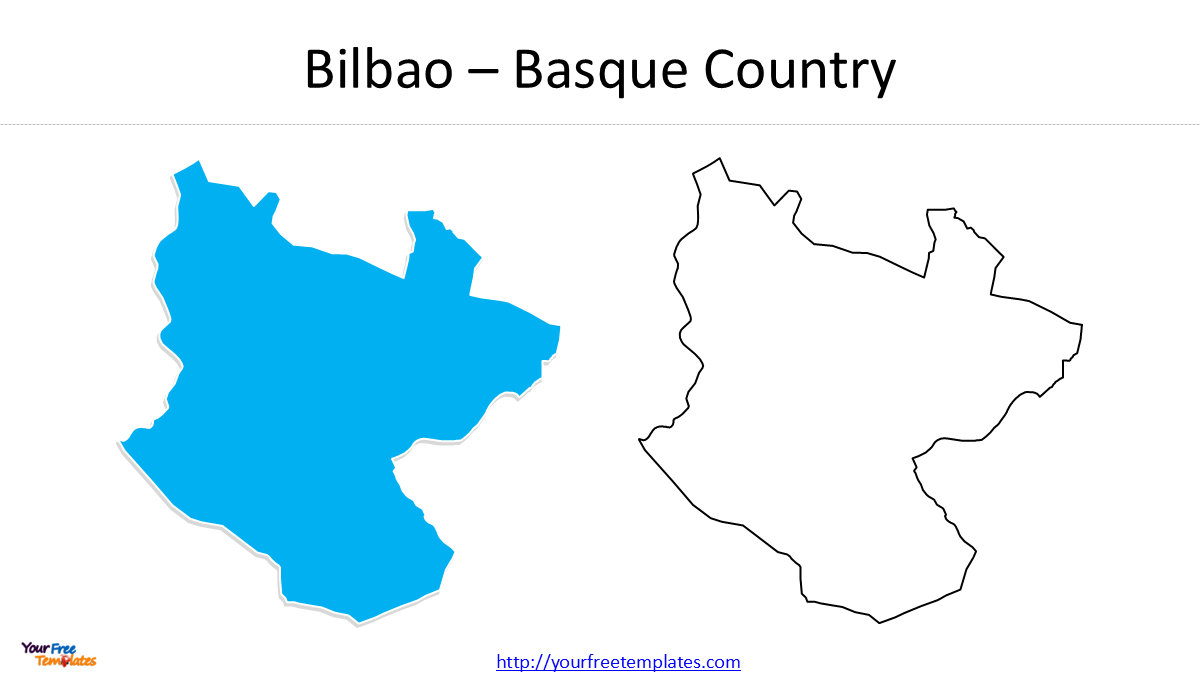
10. Bilbao – Basque Country
Population (Municipio): Approximately 346,000 (2026 estimate)
Autonomous Community: Basque Country (Euskadi)
Metropolitan Area: Approximately 1 million
Bilbao is Spain’s tenth-largest city and the capital of the province of Biscay in the Basque Country. The city is famous for its dramatic transformation from a declining industrial city to a post-industrial cultural and architectural destination.
Economic Profile & Industry Strengths:
-
Guggenheim Effect: The opening of the Guggenheim Museum Bilbao (designed by Frank Gehry) in 1997 catalyzed the city’s urban renewal. The museum attracts approximately 1 million visitors annually and serves as an icon of cultural-led economic regeneration.
-
Port & Logistics: The Port of Bilbao is one of Spain’s busiest ports, handling containers, bulk cargo, and roll-on/roll-off traffic, serving the industrial heartland of northern Spain.
-
Banking & Finance: Bilbao is the headquarters of BBVA (Banco Bilbao Vizcaya Argentaria), one of Spain’s largest banks and a global financial institution.
-
Industry & Manufacturing: While traditional steel and shipbuilding industries have declined, Bilbao retains a significant industrial base in machinery, tools, and automotive components.
-
Tourism: Beyond the Guggenheim, attractions include the Casco Viejo (old town) with its Santiago Cathedral, the Ribera Market, the Zubizuri Bridge, and the nearby Basque Coast.
Comparative Analysis: Key Takeaways from the Spain Population Ranking
| Rank | City | Autonomous Community | Population | Dominant Industry |
|---|---|---|---|---|
| 1 | Madrid | Community of Madrid | 3,305,408 | Finance, government, tourism |
| 2 | Barcelona | Catalonia | 1,660,435 | Tourism, tech, port |
| 3 | Valencia | Valencian Community | 807,693 | Port, agriculture, tourism |
| 4 | Seville | Andalusia | 684,234 | Tourism, aerospace, agribusiness |
| 5 | Zaragoza | Aragon | 682,513 | Logistics, automotive |
| 6 | Málaga | Andalusia | 585,000 | Tourism, tech (Costa del Sol) |
| 7 | Murcia | Region of Murcia | 469,000 | Agriculture, food processing |
| 8 | Palma | Balearic Islands | 430,000 | Tourism, maritime |
| 9 | Las Palmas | Canary Islands | 383,000 | Port, tourism |
| 10 | Bilbao | Basque Country | 346,000 | Finance (BBVA), tourism (Guggenheim) |
Key Observations on Spanish Cities by Size:
-
Balanced Primacy: Madrid is approximately 2.0 times larger than Barcelona, a moderate primacy ratio compared to Paris (6.8 times larger than Lyon) or Vienna (6.8 times larger than Graz). This reflects Spain’s decentralized autonomous communities system.
-
Coastal Concentration: Seven of the ten largest cities in Spain are located on or near the Mediterranean or Atlantic coasts, reflecting the country’s maritime orientation and the relative depopulation of interior regions.
-
Diverse Economic Specializations: Each major city has developed distinct strengths: Madrid (finance, government), Barcelona (tourism, tech, design), Zaragoza (logistics), Bilbao (post-industrial cultural regeneration), and Málaga (sunbelt tech hub).
Why This Blog Series Matters for Your Presentations
The Largest Cities in Spain is the first installment in our Spain geography series. Upcoming posts will cover:
-
Top 10 Metropolitan Areas in Spain (functional urban areas beyond municipio boundaries)
-
Top 10 Fastest-Growing Spanish Cities (demographic trends 2019–2026)
-
Spain’s Administrative Hierarchy: A Visual Guide to Autonomous Communities, Provinces, and Municipios
Each post will be accompanied by downloadable PowerPoint slides with accurate shapefile-based municipio boundaries—making yourfreetemplates.com the go-to resource for geospatial presentation materials on Spanish cities and regions.
Download the PowerPoint Slides
This blog post is accompanied by an 11-slide PowerPoint deck:
-
Slide 1: National map of Spain with municipio-level boundaries for all ten cities highlighted
-
Slides 2–11: Enlarged municipio-level city limit maps for Madrid, Barcelona, Valencia, Seville, Zaragoza, Málaga, Murcia, Palma de Mallorca, Las Palmas, and Bilbao
These slides are fully editable, allowing you to add your own population data, economic notes, or color coding. Visit yourfreetemplates.com to download the complete deck.
Looking for Premium maps, please visit our affiliate site: https://editablemaps.com/ or https://ofomaps.com/
Size:650K
Type: PPTX
Top 10 Largest Cities in Spain Map Template
Click the link to download it.
Aspect Ratio: Widescreen 16:9
Click the green button to download it.
Download the 16:9 Template