

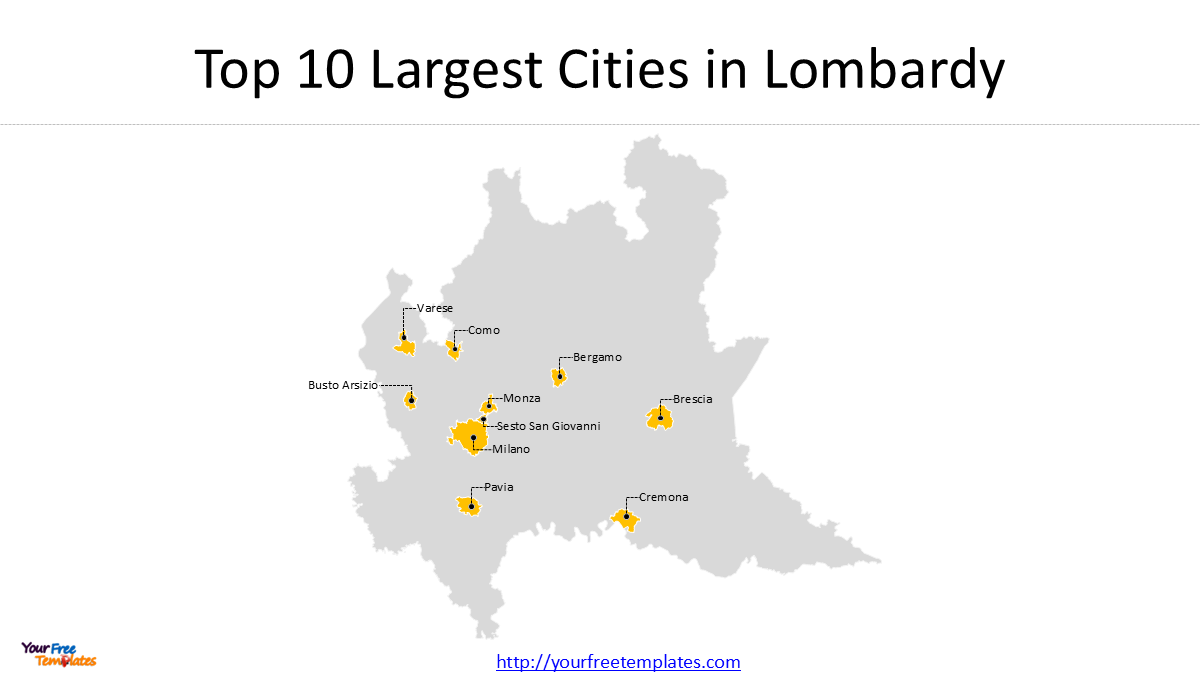
When analyzing the largest cities in Lombardy, it becomes evident that this northern Italian region—the most populous and economically powerful in the country—is defined by Milan’s overwhelming dominance as both the regional capital and Italy’s financial engine. With a population of approximately 1.4 million within its comune boundaries, Milan is more than seven times larger than Brescia, Lombardy’s second-largest city. This Lombardy population ranking reveals a region where economic might is concentrated in the Milan metropolitan area, yet a diverse array of historic provincial capitals—from the industrial powerhouse of Brescia to the lakefront elegance of Como—each maintain distinct economic and cultural identities.
Below, we rank Lombardy’s ten most populous comuni and explore their population figures and key industries. To help you visualize this data, we have created an 11-slide PowerPoint deck featuring the regional map of Lombardy with all ten city boundaries (comune level) on slide 1, followed by individual enlarged comune-level city limit maps for each city on slides 2 through 11.
You can check our largest cities series as below.
- Top 10 Largest Cities in France
- Top 10 Largest Cities in Netherlands
- Top largest cities in UK
- Top largest cities in Germany
- Top largest cities in US
- Top largest cities in Canada
- Top largest cities in Australia
- Top largest cities in Austria
- Top largest cities in Switzerland
- Top largest cities in Spain
- Top largest cities in Belgium
- Top largest cities in Sweden
- Top 10 Highest GDP per Capita German Districts
Understanding Lombardy’s Comune Boundaries
The comune is the smallest administrative division in Italy, equivalent to a municipality. Lombardy, as Italy‘s most populous region with approximately 10 million residents, is divided into 11 provinces plus the Metropolitan City of Milan. Our accompanying PowerPoint slides use precise shapefile data to outline each city at the comune level, allowing you to present clear, legally defined city limits.
Lombardy produces approximately one-fifth of Italy‘s GDP, making it the country’s wealthiest region. The region’s economic strength is concentrated in its major cities, with Milan serving as the undisputed financial and industrial hub, while secondary cities like Brescia, Bergamo, and Varese anchor provincial economies with specialized industrial and commercial activities.
The Ranking: Top 10 Largest Lombard Cities by Comune Population
All population figures are based on ISTAT data and reflect comune-level populations (not metropolitan areas).
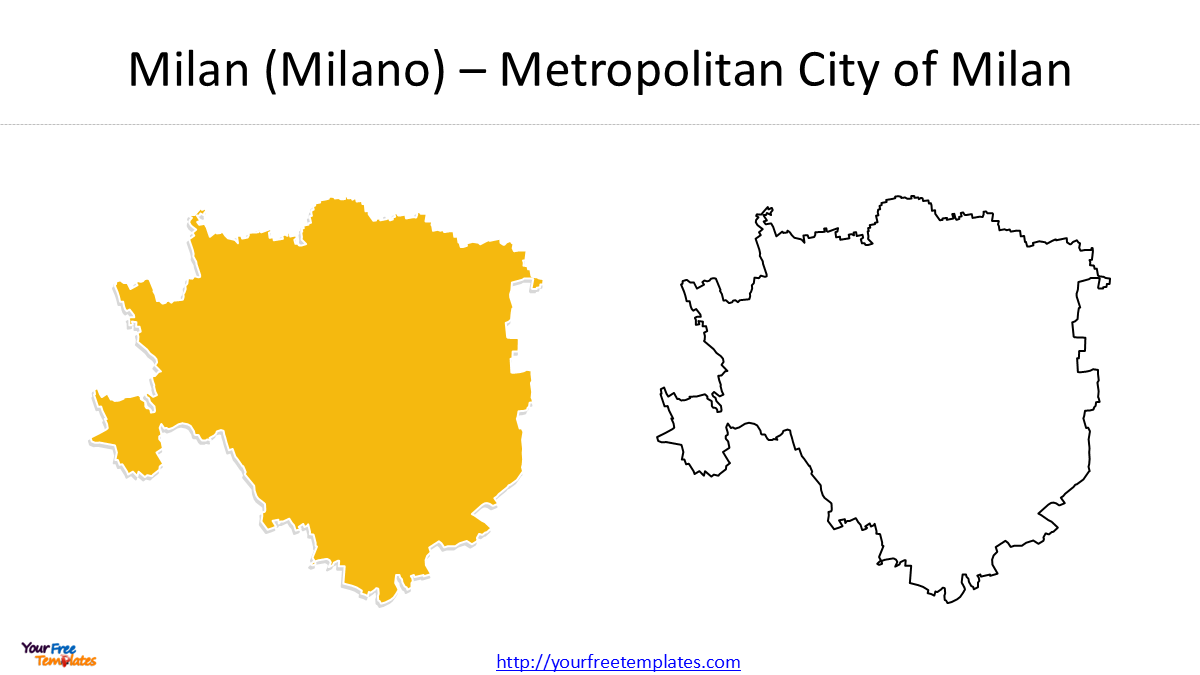
1. Milan (Milano) – Metropolitan City of Milan
Population (Comune): Approximately 1,396,059 – 1,400,000
Province: Metropolitan City of Milan
Milan is the largest city in Lombardy and Italy’s second-largest city overall after Rome. As the capital of Lombardy, Milan is Italy’s undisputed economic, financial, fashion, and media capital.
Economic Profile & Industry Strengths:
-
Financial Hub: Milan hosts the Italian Stock Exchange (Borsa Italiana), the headquarters of UniCredit, Intesa Sanpaolo, and numerous global banks. The city is Italy’s financial heart.
-
Fashion & Design: Milan is a global fashion capital, hosting the headquarters of Prada, Armani, Versace, and Dolce & Gabbana. Milan Fashion Week is one of the world’s “Big Four” fashion events.
-
Media & Publishing: The city is Italy’s media capital, home to Mondadori, RCS MediaGroup, and major television networks.
-
Trade Fairs: Fiera Milano is one of Europe’s largest exhibition centers, hosting global events including the Milan Furniture Fair (Salone del Mobile).
-
Economic Scale: The Metropolitan City of Milan accounts for a substantial portion of Italy’s national GDP, making Lombardy Italy’s richest region.
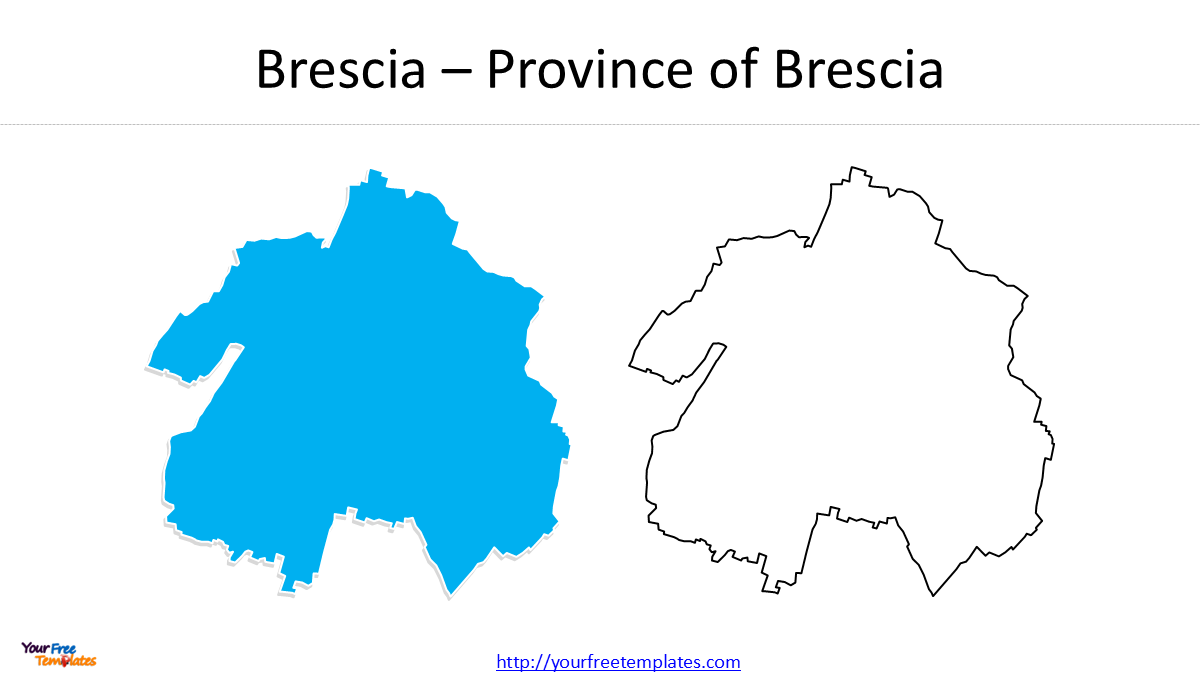
2. Brescia – Province of Brescia
Population (Comune): Approximately 199,597
Province: Brescia
Brescia is Lombardy’s second-largest city and the capital of the province of Brescia. Located at the foot of the Alps, Brescia is a major industrial and logistics hub.
Economic Profile & Industry Strengths:
-
Metallurgy & Steel: Brescia is a historic center of steel production and metallurgy, often called the “Italian Sheffield.” The city hosts numerous steel mills and metalworking companies.
-
Mechanical Engineering: The city is a center for mechanical engineering, automotive components, and industrial machinery.
-
Logistics & Manufacturing: Brescia’s position near the A4 motorway and railway lines connecting Milan to Venice makes it a logistics hub for northern Italy.
-
Arms & Firearms: The region around Brescia is historically famous for firearms manufacturing (Beretta, founded near Brescia).
-
Tourism: Brescia’s UNESCO-listed archaeological sites (Roman forum and capitoline temple) and its medieval castle attract visitors.
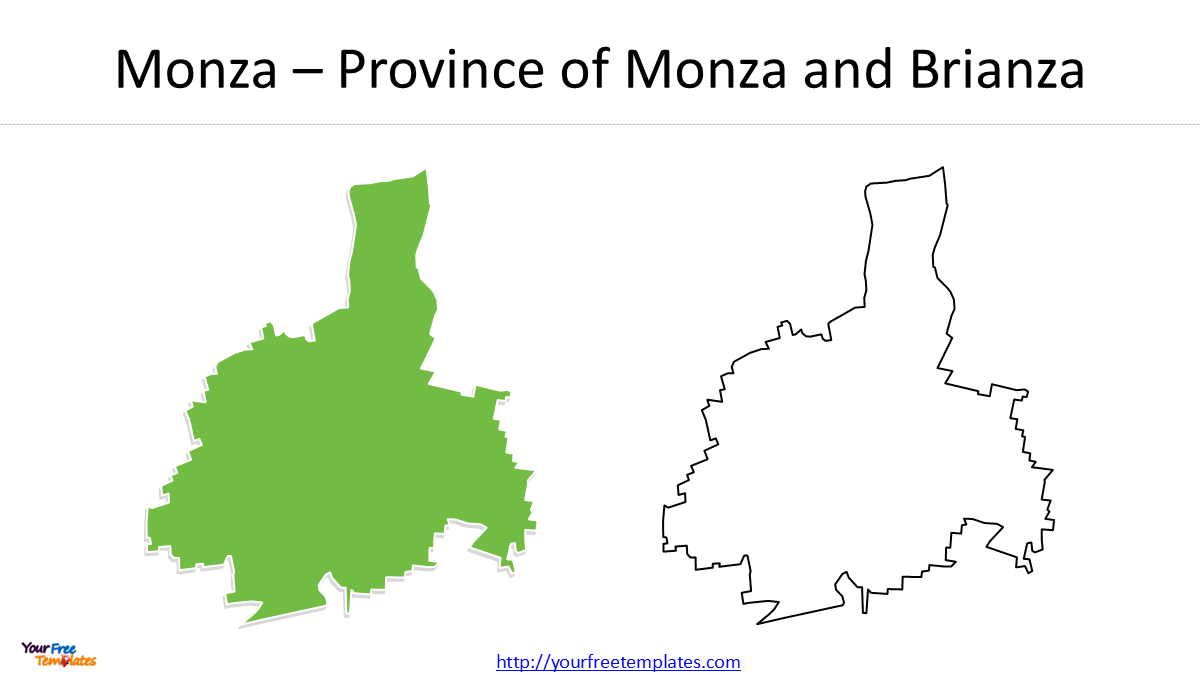
3. Monza – Province of Monza and Brianza
Population (Comune): Approximately 124,051
Province: Monza and Brianza
Monza is Lombardy’s third-largest city and the capital of the province of Monza and Brianza. Located immediately northeast of Milan, Monza is part of the dense Milan metropolitan area.
Economic Profile & Industry Strengths:
-
Automotive Heritage: Monza is world-famous for the Autodromo Nazionale di Monza, one of the world’s oldest and most prestigious Formula 1 racing circuits (the “Temple of Speed”).
-
Industrial & Service Hub: Monza’s proximity to Milan has made it an industrial center for manufacturing, logistics, and business services.
-
Goldsmithing & Jewelry: Monza has a tradition of goldsmithing and jewelry manufacturing.
-
Retail & Commercial: The city serves as a commercial center for the Brianza region.
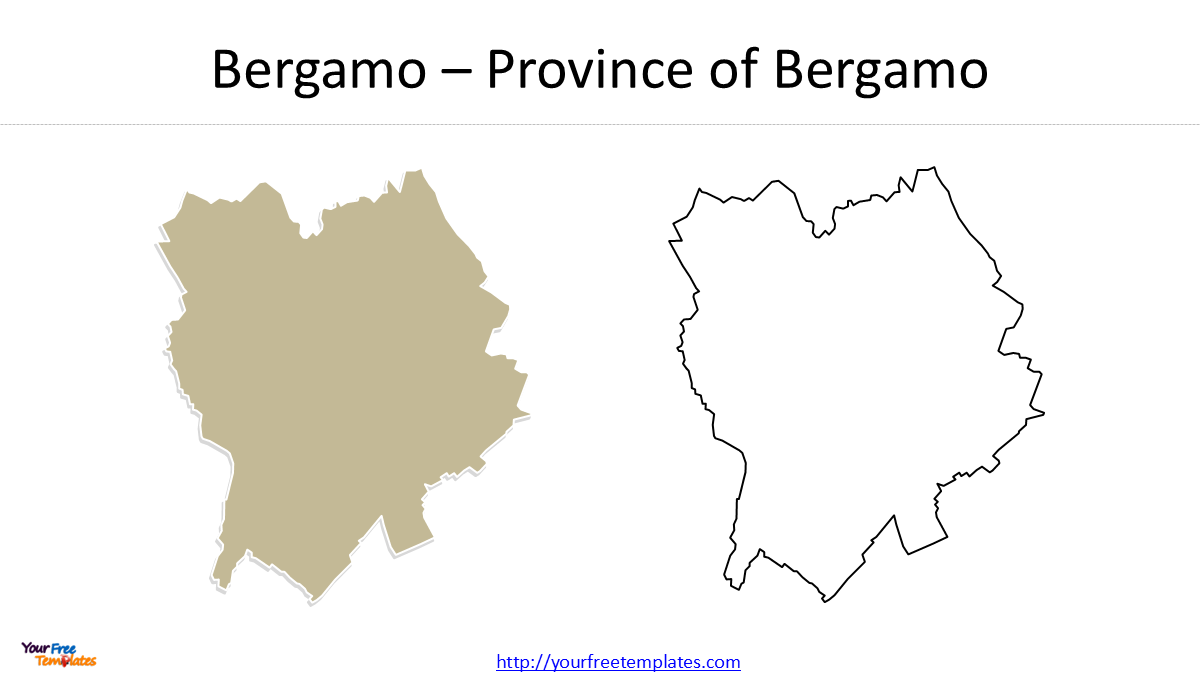
4. Bergamo – Province of Bergamo
Population (Comune): Approximately 121,178
Province: Bergamo
Bergamo is Lombardy’s fourth-largest city and the capital of the province of Bergamo. The city is famous for its two distinct urban levels: the lower city (Città Bassa) and the upper medieval hilltop city (Città Alta), connected by a funicular.
Economic Profile & Industry Strengths:
-
Aerospace & Defense: Bergamo has a significant aerospace and defense manufacturing sector, anchored by Leonardo (which produces helicopters in the nearby municipality of Agusta).
-
Automotive & Mechanical Engineering: The city hosts numerous automotive suppliers and mechanical engineering companies.
-
Textiles & Fashion: Bergamo has a historic textile industry, now diversified into high-end fashion and technical textiles.
-
Tourism: Bergamo’s Città Alta is a UNESCO World Heritage Site (as part of the Venetian defensive works) and a major tourist attraction.
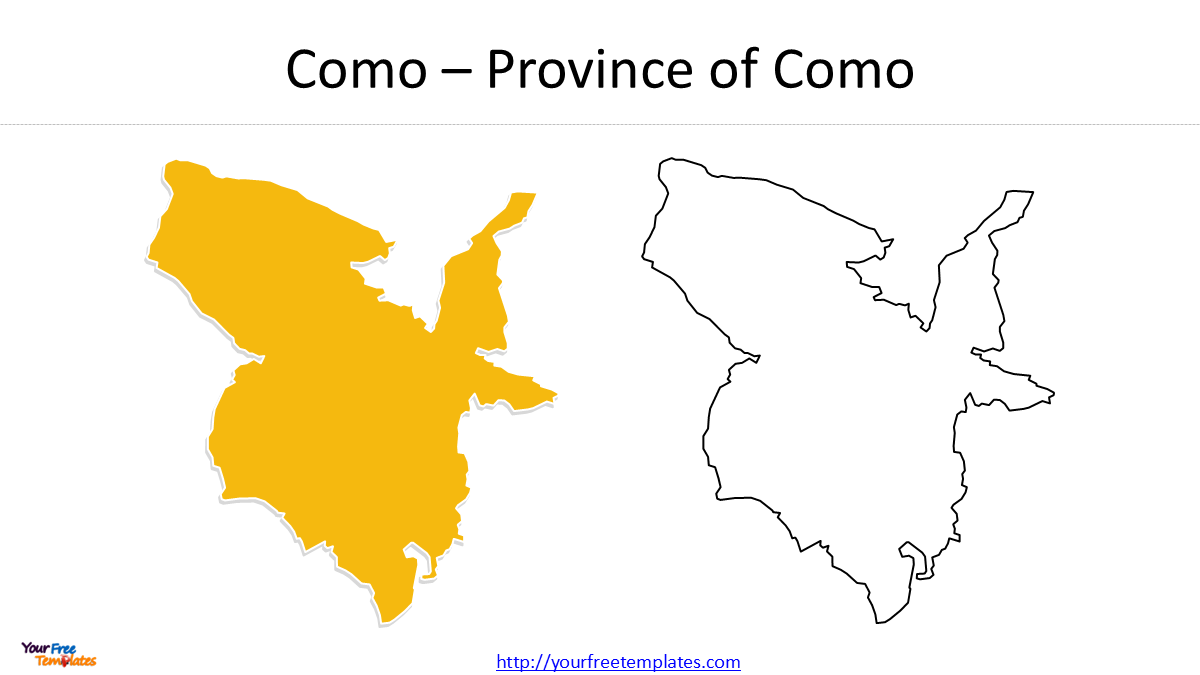
5. Como – Province of Como
Population (Comune): Approximately 85,915
Province: Como
Como is Lombardy’s fifth-largest city and the capital of the province of Como. Located on the southwestern shore of Lake Como, the city is one of Italy’s most famous lake destinations.
Economic Profile & Industry Strengths:
-
Tourism: Como is the premier tourist destination on Lake Como, attracting visitors to its stunning lakefront, the Duomo (cathedral), the funicular to Brunate, and nearby luxury villas.
-
Silk Manufacturing: Como is the historical center of Italian silk production, with a silk museum and numerous textile companies specializing in high-end silk for fashion houses.
-
Luxury & Hospitality: The lake’s luxury villas, hotels, and restaurants drive a significant hospitality and real estate economy.
-
Proximity to Switzerland: Como’s border location near Switzerland fosters cross-border commerce and financial services.
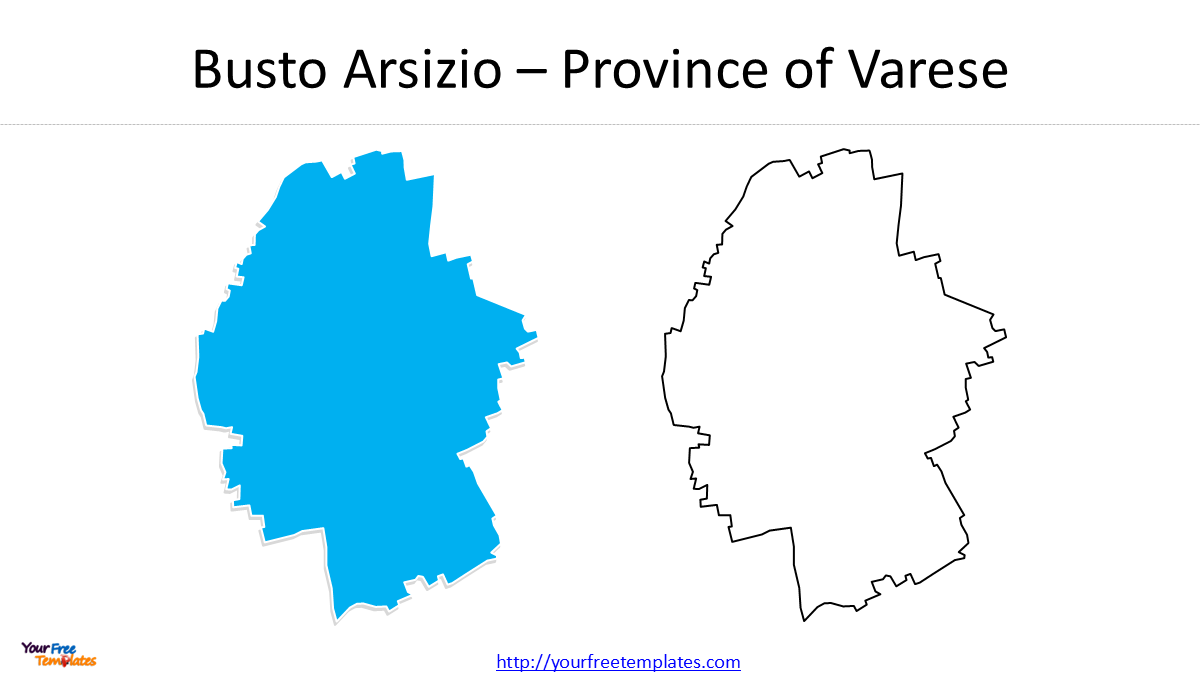
6. Busto Arsizio – Province of Varese
Population (Comune): Approximately 83,909
Province: Varese
Busto Arsizio is Lombardy’s sixth-largest city and a major industrial and textile center in the province of Varese. Located between Milan and Varese, the city has been an industrial powerhouse since the 19th century.
Economic Profile & Industry Strengths:
-
Textile Industry: Busto Arsizio was historically a center of cotton and textile manufacturing. While traditional textile production has declined, the city retains a specialty in technical textiles and fashion-related manufacturing.
-
Mechanical Engineering: The city has a diversified mechanical engineering sector, producing machinery and industrial equipment.
-
Logistics: Busto Arsizio’s position on the railway line connecting Milan to Switzerland and its proximity to Milan Malpensa Airport (one of Italy’s busiest airports) make it a logistics hub.
-
Proximity to Malpensa Airport: The airport, located in nearby Varese province, has driven economic growth in logistics, aviation services, and hospitality.
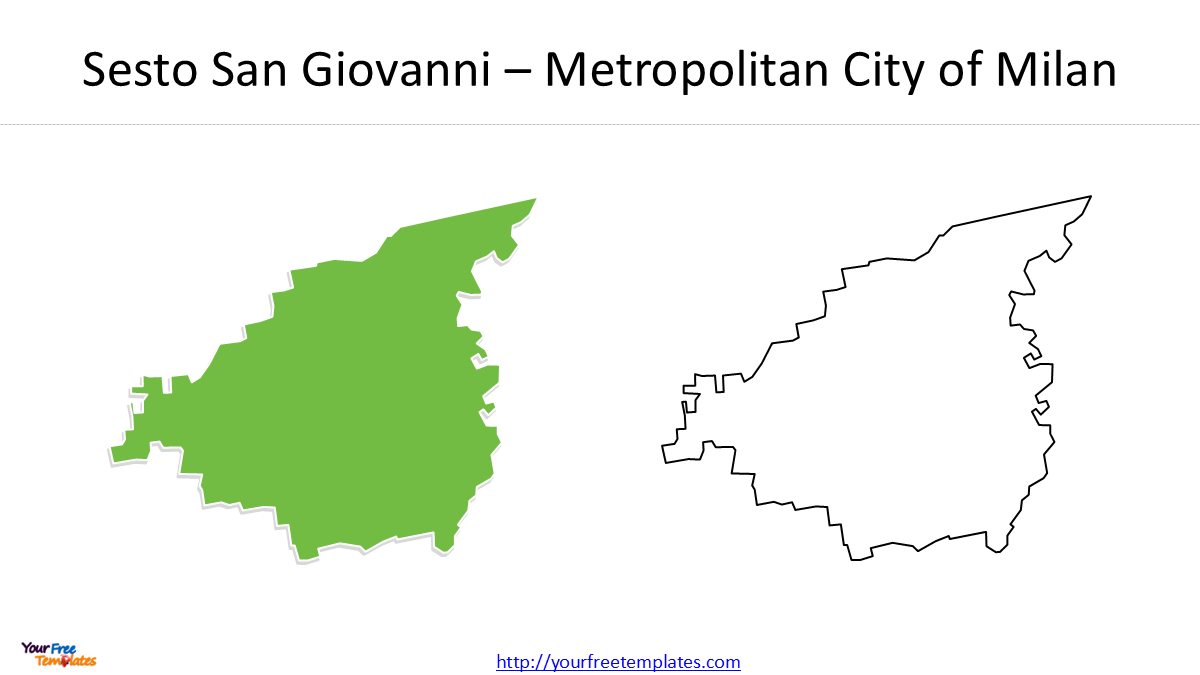
7. Sesto San Giovanni – Metropolitan City of Milan
Population (Comune): Approximately 81,841
Province: Metropolitan City of Milan
Sesto San Giovanni is Lombardy’s seventh-largest city and a major industrial suburb immediately north of Milan. The city is often called the “Italian Manchester” due to its 19th-century industrial heritage.
Economic Profile & Industry Strengths:
-
Industrial Heritage: Sesto San Giovanni was historically the heart of northern Italy’s heavy industry, with major steel, electrical engineering, and manufacturing plants. The city’s industrial skyline (with towering chimneys) is iconic.
-
Post-Industrial Transition: Following deindustrialization, Sesto San Giovanni has transitioned to a diversified economy with a focus on services, logistics, and technology. The former industrial sites have been redeveloped into offices, research centers, and residential complexes.
-
Proximity to Milan: The city’s immediate proximity to Milan (bordering the city to the north) makes it a residential and commercial hub for the Milan metropolitan area.
-
Research & Technology: The city has attracted research centers, technology parks, and startup incubators.
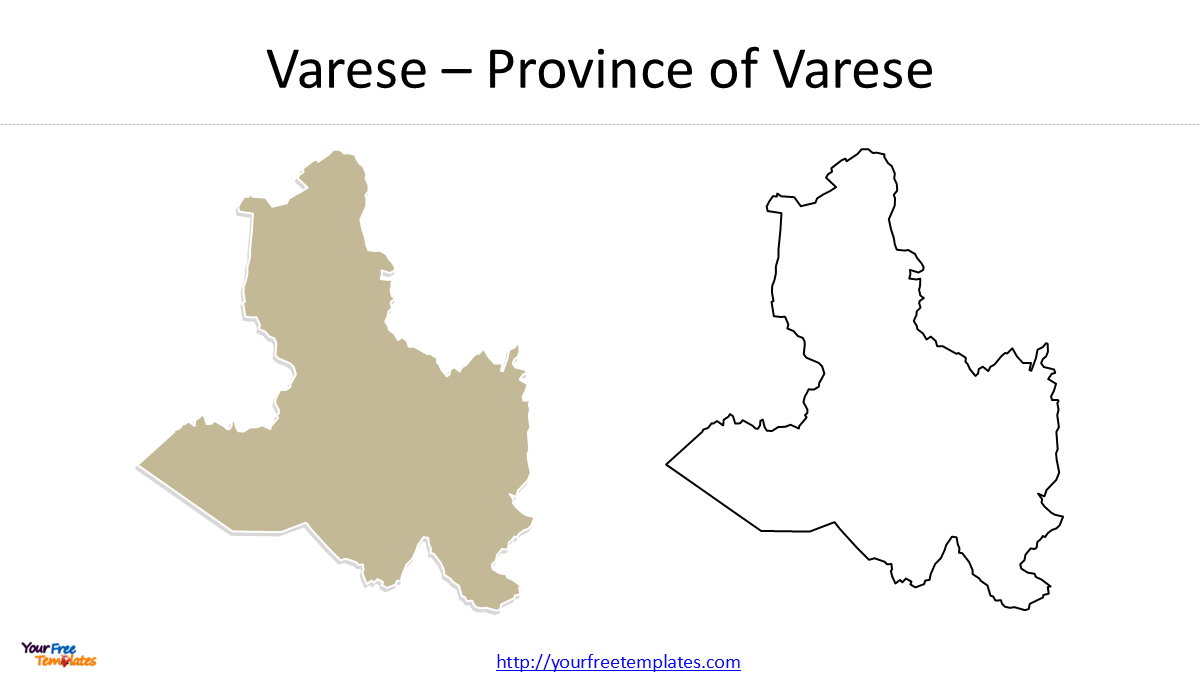
8. Varese – Province of Varese
Population (Comune): Approximately 80,645
Province: Varese
Varese is Lombardy’s eighth-largest city and the capital of the province of Varese. Located near Lake Varese and the Swiss border, the city is a hilltop town with a strong industrial and service economy.
Economic Profile & Industry Strengths:
-
Mechanical Engineering & Manufacturing: Varese has a strong mechanical engineering sector, producing machinery, automotive components, and industrial equipment.
-
Aerospace: The province of Varese hosts significant aerospace manufacturing, including Leonardo’s helicopter division (in nearby Cascina Costa).
-
Tourism: Varese is a tourist destination, with its hilltop Sacro Monte (a UNESCO World Heritage Site), the lake, and proximity to the Italian Lakes region and the Alps.
-
Cross-Border Economy: Varese’s proximity to Switzerland fosters cross-border commuting, commerce, and financial services.
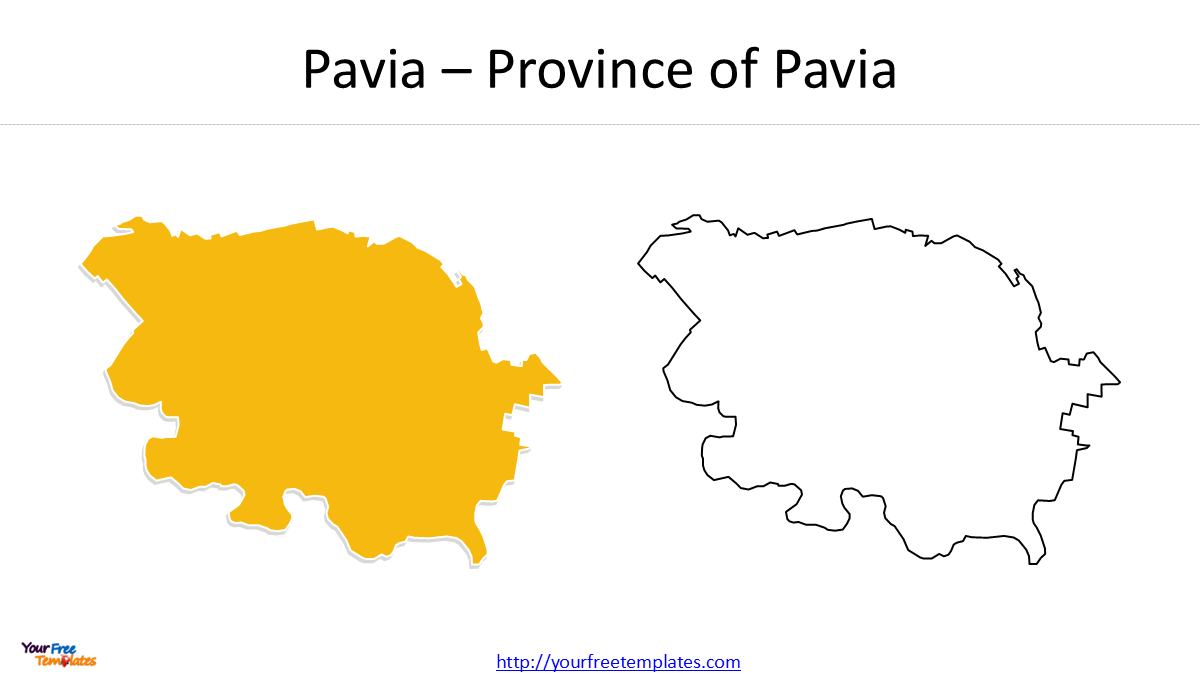
9. Pavia – Province of Pavia
Population (Comune): Approximately 73,334
Province: Pavia
Pavia is Lombardy’s ninth-largest city and the capital of the province of Pavia. Located south of Milan on the Ticino River, Pavia is a historic university city with a rich medieval and Renaissance heritage.
Economic Profile & Industry Strengths:
-
University Economy: The University of Pavia, founded in 1361, is one of Italy’s oldest and most prestigious universities. The university is the city’s largest employer and economic driver.
-
Pharmaceuticals: Pavia has a significant pharmaceutical and medical research cluster, anchored by the university’s medical school and affiliated research institutes.
-
Agriculture & Agribusiness: The province of Pavia is an important agricultural region, producing rice, wine, and other products. The city serves as the administrative and commercial hub.
-
Charterhouse of Pavia (Certosa di Pavia): The nearby Certosa di Pavia, a magnificent Carthusian monastery, attracts tourists and serves as a cultural landmark.
-
Logistics: Pavia’s position on the Ticino River and its proximity to Milan make it a logistics hub.
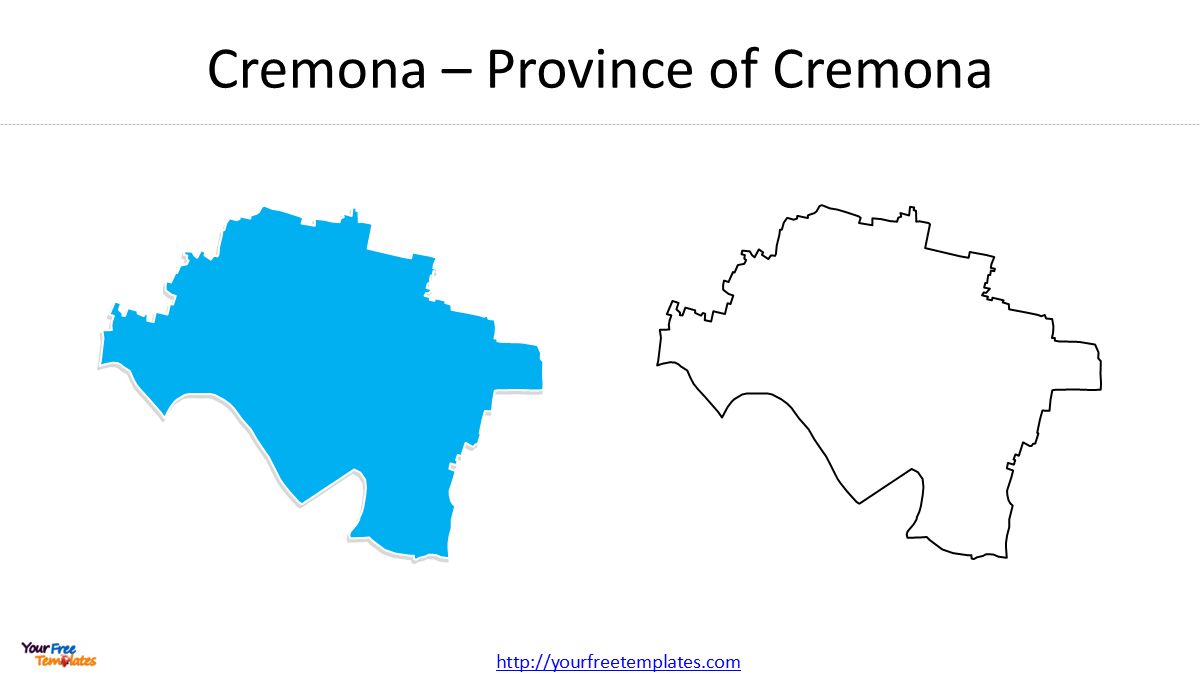
10. Cremona – Province of Cremona
Population (Comune): Approximately 72,672
Province: Cremona
Cremona is Lombardy’s tenth-largest city and the capital of the province of Cremona. Located on the Po River in southern Lombardy, Cremona is world-famous for its tradition of violin-making (lutherie), particularly the works of the Stradivari, Amati, and Guarneri families.
Economic Profile & Industry Strengths:
-
Violin-Making (Lutherie): Cremona is the undisputed world capital of violin-making. The city is home to the International School of Lutherie, the Violin Museum, and numerous workshops where master luthiers craft violins, violas, and cellos using traditional methods. This specialized craftsmanship attracts international students and collectors.
-
Mechanical Engineering: Cremona has a significant mechanical engineering sector, producing machinery for the agricultural and industrial sectors.
-
Agriculture & Agribusiness: The province of Cremona is a major agricultural region, producing grain, rice, wine, and dairy products (including Grana Padano cheese).
-
Music & Cultural Tourism: The city’s violin-making heritage and its musical traditions (including the annual festival) attract cultural tourists.
-
Logistics: Cremona’s position on the Po River and the railway line connecting Milan to Venice makes it a logistics hub for southern Lombardy.
Comparative Analysis: Key Takeaways from the Lombardy Population Ranking
| Rank | City | Province | Population | Dominant Industry |
|---|---|---|---|---|
| 1 | Milan | Metropolitan City of Milan | 1,396,059 | Finance, fashion, media, trade fairs |
| 2 | Brescia | Brescia | 199,597 | Metallurgy, mechanical engineering |
| 3 | Monza | Monza e Brianza | 124,051 | Automotive (F1 circuit), manufacturing |
| 4 | Bergamo | Bergamo | 121,178 | Aerospace, mechanical engineering, tourism |
| 5 | Como | Como | 85,915 | Tourism, silk manufacturing |
| 6 | Busto Arsizio | Varese | 83,909 | Textiles, mechanical engineering |
| 7 | Sesto San Giovanni | Metropolitan City of Milan | 81,841 | Post-industrial services, technology |
| 8 | Varese | Varese | 80,645 | Mechanical engineering, aerospace, cross-border |
| 9 | Pavia | Pavia | 73,334 | University, pharmaceuticals, logistics |
| 10 | Cremona | Cremona | 72,672 | Violin-making (lutherie), agriculture |
Key Observations on Lombard Cities by Size:
-
Milan’s Primacy: Milan is approximately 7 times larger than Brescia, the second-largest city, demonstrating extreme primacy within the region. This reflects Milan’s role as Italy’s economic capital.
-
Industrial Diversity: While Milan dominates finance and fashion, the secondary cities have distinct industrial specializations: Brescia (steel), Bergamo (aerospace), Como (silk), and Cremona (violins).
-
The Milan Metropolitan Area: Monza, and Sesto San Giovanni are all functionally part of the Milan metropolitan area, sharing commuting patterns and economic integration with the capital.
-
Provincial Capitals Dominate: All nine largest cities are provincial capitals, except for Sesto San Giovanni, which is in the Metropolitan City of Milan. This reflects the central role of provincial capitals as administrative and economic hubs.
-
Economic Strength Concentration: Lombardy produces approximately 20% of Italy’s GDP, and a substantial portion of that is concentrated in Milan and its surrounding metropolitan area.
Download the PowerPoint Slides
This blog post is accompanied by an 11-slide PowerPoint deck:
-
Slide 1: Regional map of Lombardy with comune-level boundaries for all ten cities highlighted
-
Slides 2–11: Enlarged comune-level city limit maps for Milan, Brescia, Monza, Bergamo, Como, Busto Arsizio, Sesto San Giovanni, Varese, Pavia, and Cremona.
These slides are fully editable, allowing you to add your own population data, economic notes, or color coding. Visit yourfreetemplates.com to download the complete deck.
Looking for Premium maps, please visit our affiliate site: https://editablemaps.com/ or https://ofomaps.com/
Size:130K
Type: PPTX
Top 10 Largest Cities in Lombardy Template
Click the link to download it.
Aspect Ratio: Widescreen 16:9
Click the green button to download it.
Download the 16:9 Template